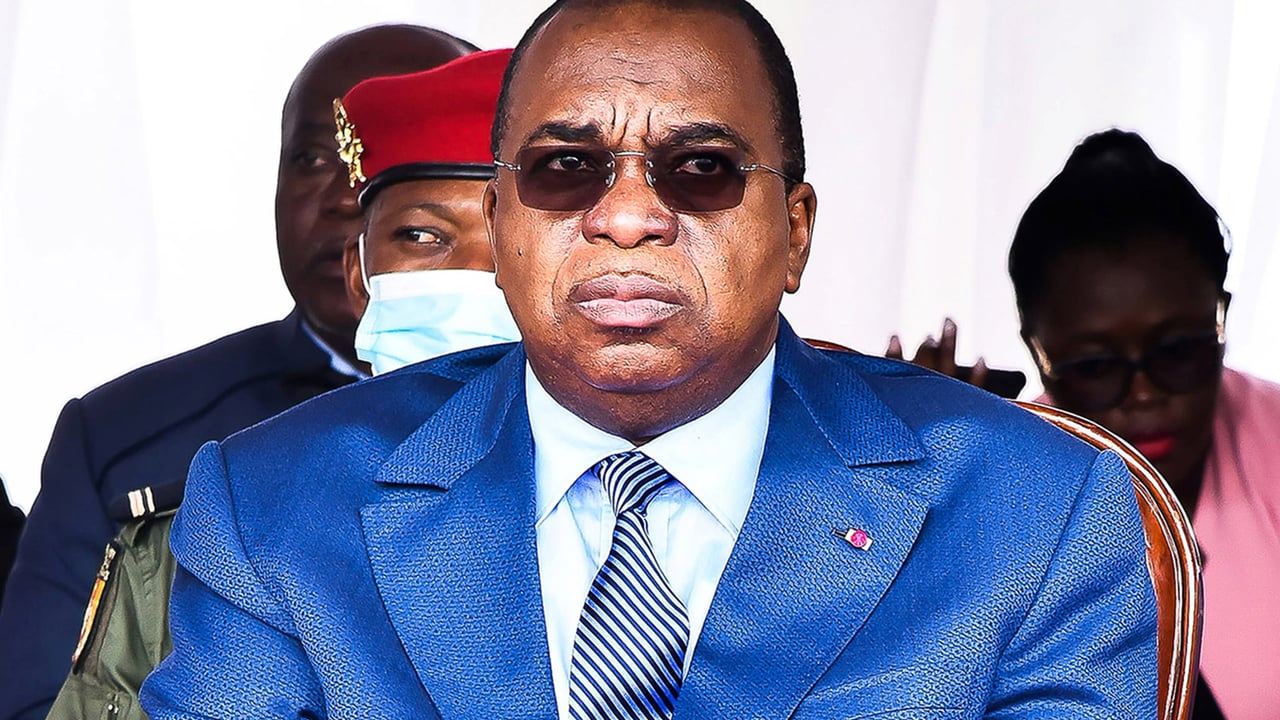

As Cameroon prepares its 2027 budget, Finance Minister Louis-Paul Motaze faces an unprecedented financial crossroads. Behind the scenes, the pressures on public finances reveal deeper structural challenges that could reshape household budgets for years to come. This isn’t just about numbers—it’s about the long-term economic sustainability of Central Africa’s largest economy.
Why Cameroon’s 2027 budget faces hidden financial pressures
The roots of this looming crisis run deeper than recent headlines suggest. Cameroon’s public finances are straining under a triple burden: declining oil revenues, rising public debt servicing costs, and the lingering economic fallout from the pandemic. These pressures have forced policymakers into a delicate balancing act—maintaining fiscal stability while funding critical infrastructure and social programs.
- Oil revenue decline: Once the backbone of Cameroon’s budget, oil exports have plummeted due to global market shifts and aging fields, reducing a key funding source.
- Debt servicing surge: An increasing portion of the national budget is now dedicated to servicing external and domestic debt, leaving less for development.
- Post-pandemic recovery lag: Economic activity has not rebounded fully, weakening tax collection and widening the fiscal deficit.
How Motaze is navigating uncharted fiscal territory
Minister Motaze’s strategy isn’t about quick fixes—it’s about structural adjustments with long-term implications. His approach blends creativity with caution, relying on a mix of domestic borrowing, conditional international support, and phased fiscal reforms. But can these moves prevent a deeper fiscal squeeze?
The role of regional and global financial partners
Cameroon’s fiscal future hinges partly on external validation. The government is negotiating with multilateral institutions like the African Development Bank and International Monetary Fund (IMF) for concessional loans and policy guidance. These partnerships, while essential, come with strings attached—conditions that could limit spending flexibility in sensitive sectors like health and education.
The IMF’s recent review underscored both the risks and opportunities in Cameroon’s fiscal path, highlighting the need for transparent reforms and sustainable debt management.
The tightening grip of the CEMAC monetary framework
The Central African Economic and Monetary Community (CEMAC) sets strict fiscal rules to stabilize the region’s currency, the CFA franc. Cameroon must stay within these parameters—or risk sanctions. This constraint adds another layer of complexity to Motaze’s balancing act, forcing tough choices between compliance and domestic priorities.
What this means for Cameroonians: rising costs and uncertain support
The implications for ordinary citizens are already visible. Households are bracing for higher indirect taxes on essential goods, cuts in fuel subsidies, and limited public investment in local communities. The cumulative effect could push inflation higher and reduce disposable income—especially for lower-income families.
At the same time, social safety nets remain underfunded, leaving vulnerable populations exposed. The government has hinted at targeted cash transfers and job creation programs, but funding remains a question mark without robust revenue growth.
What could go wrong—and what could go right
Like any high-stakes financial maneuver, Minister Motaze’s plan carries risks. A misstep in debt negotiations or a failure to secure new funding could trigger a liquidity crisis. Yet, if successful, his reforms could stabilize public finances, restore investor confidence, and set the stage for long-term growth.
The next six months will be decisive. Will Cameroon emerge with a sustainable budget—or will the squeeze on households deepen?