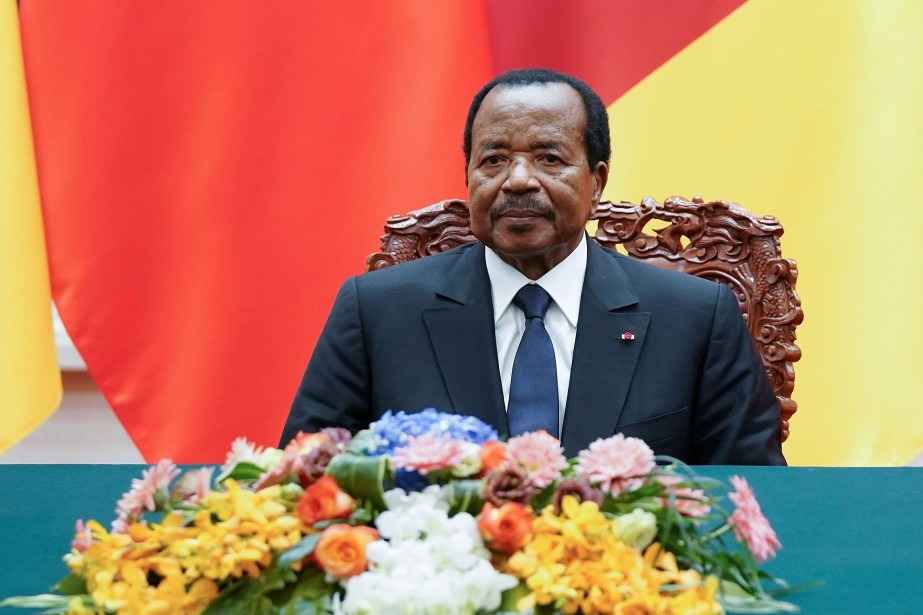
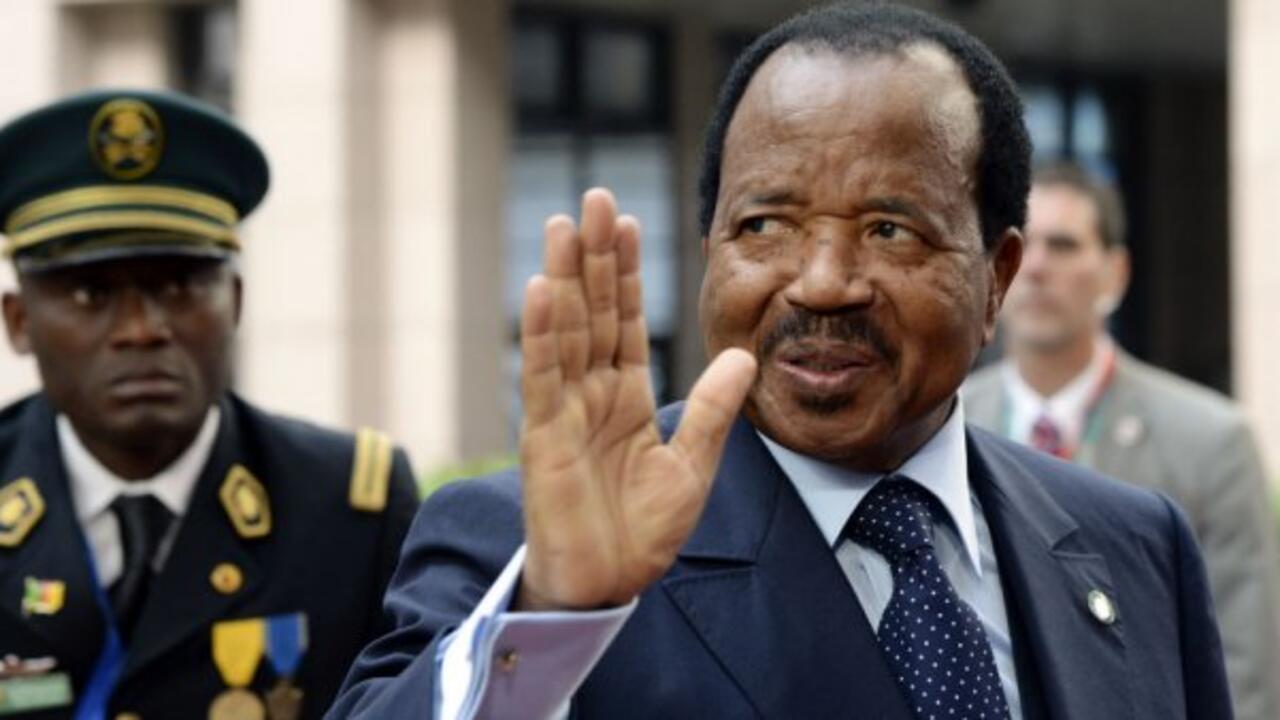
After years of political maneuvering, institutional delays, and intense bargaining among lawmakers, Cameroon’s electoral pathway has finally been set. President Paul Biya signed a decree on November 9, 2026, officially summoning voters to the polls on February 7, 2027. This historic dual electoral process will determine the future of 180 national deputies and hundreds of municipal councilors, marking a pivotal moment in the nation’s democratic journey. Breaking free from years of uncertainty, the announcement closes a chapter of prolonged speculation and institutional limbo that had left the political landscape in…
Read MoreCategory: Politics
Senegal’s potential December 2026 parliament dissolution: what lies beneath the timeline
Behind the constitutional move: what the December 2026 dissolution proposal reveals The debate over whether the National Assembly of Senegal should be dissolved has shifted from theoretical discussion to practical urgency. Kiraay, the party aligned with President Bassirou Diomaye Faye and steered by Aminata Touré, has openly advocated for invoking Article 87 of the Constitution as soon as it becomes applicable on December 2, 2026. This constitutional clause empowers the president to terminate the legislature’s term two years after its installation, provided the prime minister and the National Assembly president…
Read MoreBénin’s health workforce shake-up: what comes next after 15,398 skills tests?
After the numbers: public reactions and professional fallout The government’s decision to re-evaluate the credentials of 15 398 foreign-trained health workers has sparked a wide-ranging public debate about who should be allowed to treat patients in Benin. While officials present the move as a safeguard for patient safety, many practitioners question the fairness, timing and long-term consequences of the exercise. Public forums, social-media exchanges and professional associations are weighing in, with some calling for clearer guidelines and others demanding a complete overhaul of the recognition process for overseas qualifications. Why…
Read MoreTogo braces for nationwide protest as public anger over rising costs and power cuts intensifies
The mood in Togo is growing increasingly tense as opposition leaders prepare for a pivotal protest on November 20, 2026. The demonstration, dubbed a ‘patriotic warning day’ by organizers, comes amid mounting public frustration over soaring living costs, persistent power cuts, and mounting allegations of government mismanagement under President Faure Gnassingbé’s administration. Opposition unites under wave of economic and social discontent Nathaniel Olympio, a prominent opposition figure and leader of the Manifeste Génération Togo coalition, has ramped up efforts to rally Togolese citizens against what he describes as systemic failures…
Read MoreNiger’s citizenship revocation law: a tool for political retribution or national security?
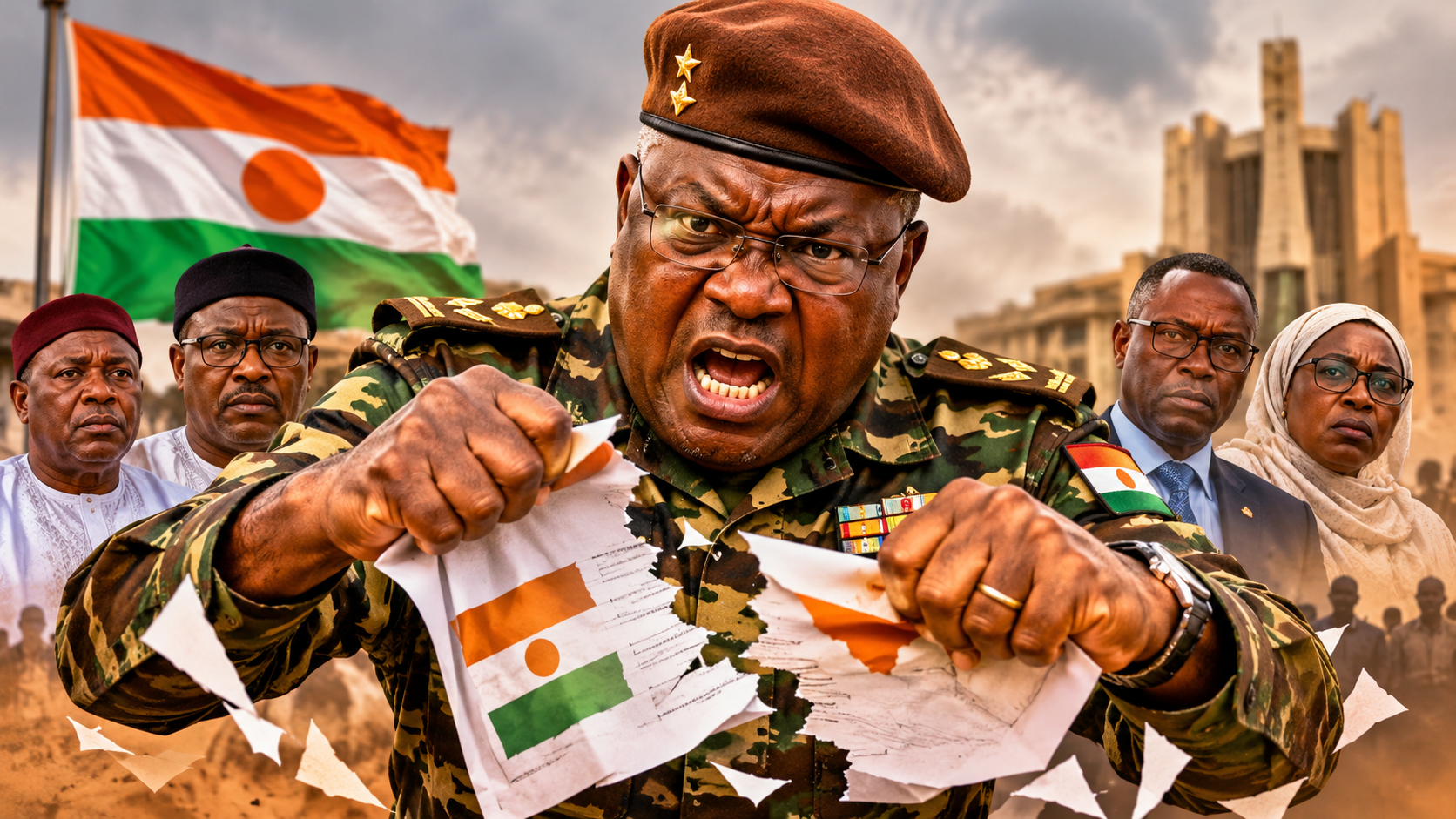
After the coup: a controversial law fueling political confrontations Since the July 2023 coup that ousted President Mohamed Bazoum, Niger’s military authorities have increasingly used citizenship revocation as a legal instrument against political opponents. The latest decree, signed by General Abdourahamane Tiani on September 17, 2026, strips five more individuals including former Prime Minister Ouhoumoudou Mahamadou of their Nigerien nationality, bringing the total to 25 since the policy’s introduction in October 2024. The move has intensified public debate over whether these actions are driven by genuine security concerns or political…
Read MoreCameroon’s 44-year saga: promises unfulfilled and the youth’s lost decade
The lost generation: how Cameroon’s political promises failed its youth For 44 years, Cameroon has watched successive generations grow up under a political system that has repeatedly failed to deliver on its commitments. The November 6th celebrations—centered around the anniversary of Paul Biya’s presidency—have become a stark reminder of unmet expectations, economic stagnation, and institutional distrust that have come to define the nation’s trajectory. Alex Nguépi, a former Social Democratic Front (SDF) activist, highlights a decades-long pattern of broken promises, where generations have been conditioned to wait—only to find that…
Read MoreCameroon after 12 months of President Biya’s extended term: policy paralysis and investor skepticism
Twelve months into President Paul Biya’s extended mandate, Cameroon stands at a crossroads where ambitious rhetoric meets policy inertia. The head of state, in power since 1982, had outlined a vision centered on national dialogue, economic revitalization, and state modernization. Yet behind closed doors in Yaoundé and within diplomatic corridors, a growing chorus of frustration questions why so few of those promises have translated into action. The ruling Cameroon People’s Democratic Movement (RDPC) now faces mounting pressure to justify a reform agenda widely perceived as stalled by civil society and…
Read MoreMali’s energy initiative forges ahead despite CEDEAO split
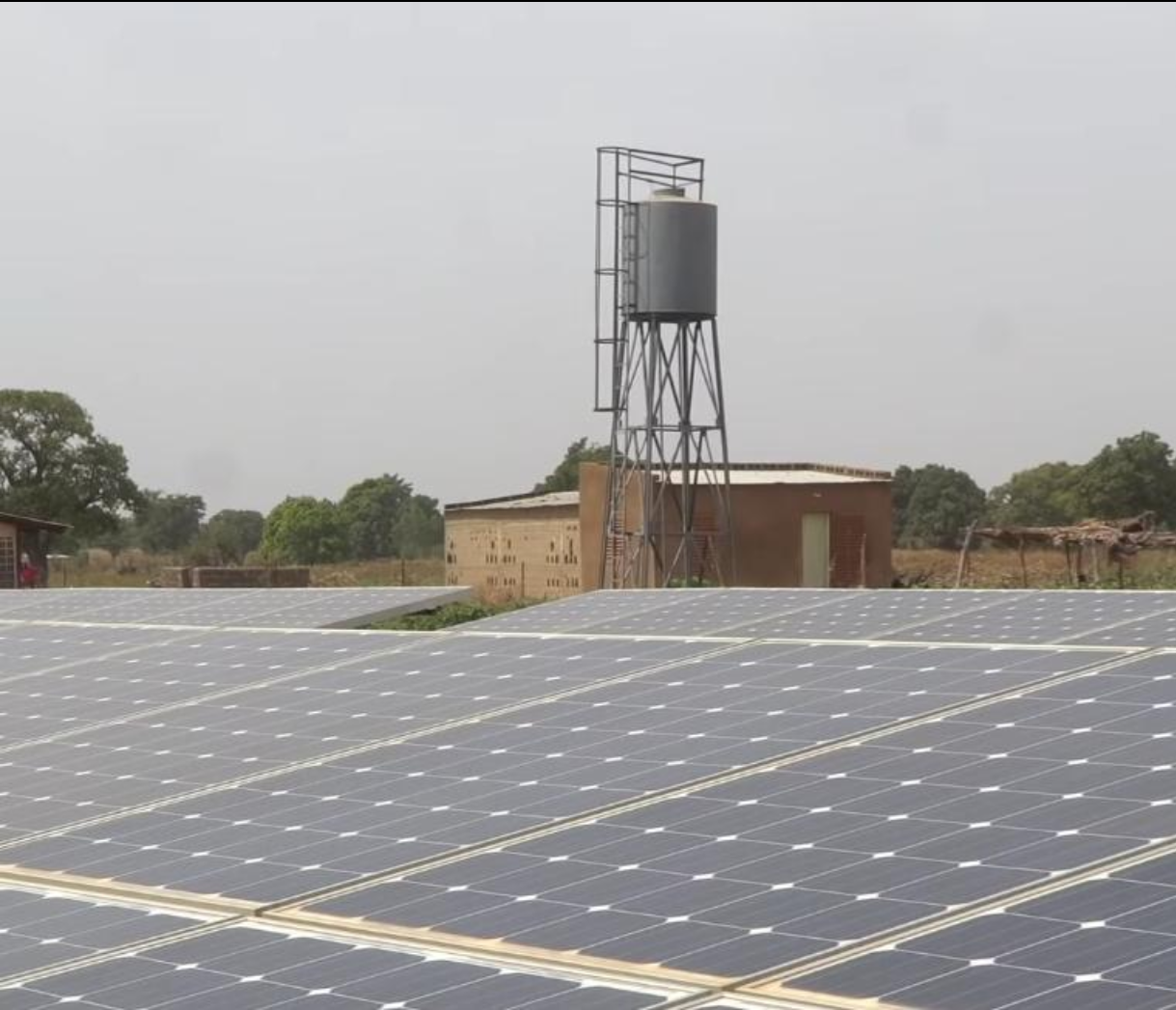
Political rift overshadows enduring energy collaboration Since Mali severed ties with the Economic Community of West African States (CEDEAO), the country has continued to benefit from a regional electrification project spearheaded by the bloc. This unexpected continuity underscores how shared development goals can outlast diplomatic fractures, sparking intense public debate about the future of West African cooperation. ECOWAS project delivers tangible progress despite political tensions Launched in 2019, the ECOWAS Regional Electricity Access Project (ECOWAS-REAP) aims to expand electricity access in underserved communities across Mali, The Gambia, and Guinea-Bissau. Funded…
Read MoreBénin’s new push against gender violence stirs public debate and policy shifts
The Bénin government’s recent move to ratify the African Union’s convention on gender-based violence has ignited a heated national discussion about accountability, cultural norms, and the path forward. Following a cabinet meeting on November 4, 2026, chaired by Prime Minister Romuald Wadagni, the decision to submit the treaty to parliament for ratification signals a bold step in redefining the country’s legal and social response to violence against women and girls. But with public opinion divided over tradition versus reform, the debate is far from over. What the convention means for…
Read MoreBurkina Faso’s pivot back to Brussels exposes contradictions in junta’s anti-western stance
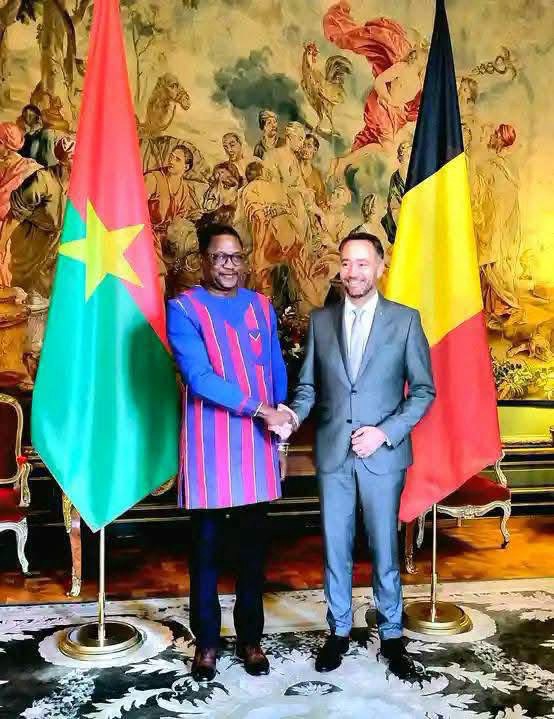
The Burkina Faso transitional government’s recent diplomatic overtures to Brussels have laid bare the financial realities facing the West African nation, forcing a reckoning between its anti-Western rhetoric and the urgent need for funding. Diplomatic U-turn: Ouagadougou seeks Brussels’ support after Moscow talks fall short In a striking reversal of its public campaign against Western partners, Burkina Faso’s military-led administration has quietly resumed high-level negotiations with European institutions. On November 4-5, Foreign Minister Karamoko Jean Marie Traoré met first with EU High Representative Kaja Kallas in Brussels, followed by Belgian…
Read MoreBehind the scenes of Cameroon’s four-decade leadership: what fuels its paradox of stability and fragility
Cameroon stands at a pivotal moment as it marks the 44th year since Paul Biya assumed the presidency, a period that has woven together threads of institutional continuity and structural vulnerabilities. This milestone isn’t just a numerical celebration; it’s an invitation to dissect the hidden mechanics of power that have sustained one of Africa’s longest-serving leaders—and the nation’s often overlooked fault lines. Paul Biya, now 93, secured a seventh presidential term in October 2025, yet the shadows of his succession loom larger than ever. Beyond the official narrative of stability…
Read MoreUnder the surface: why parliamentary mission approvals stalled at Senegal’s national assembly
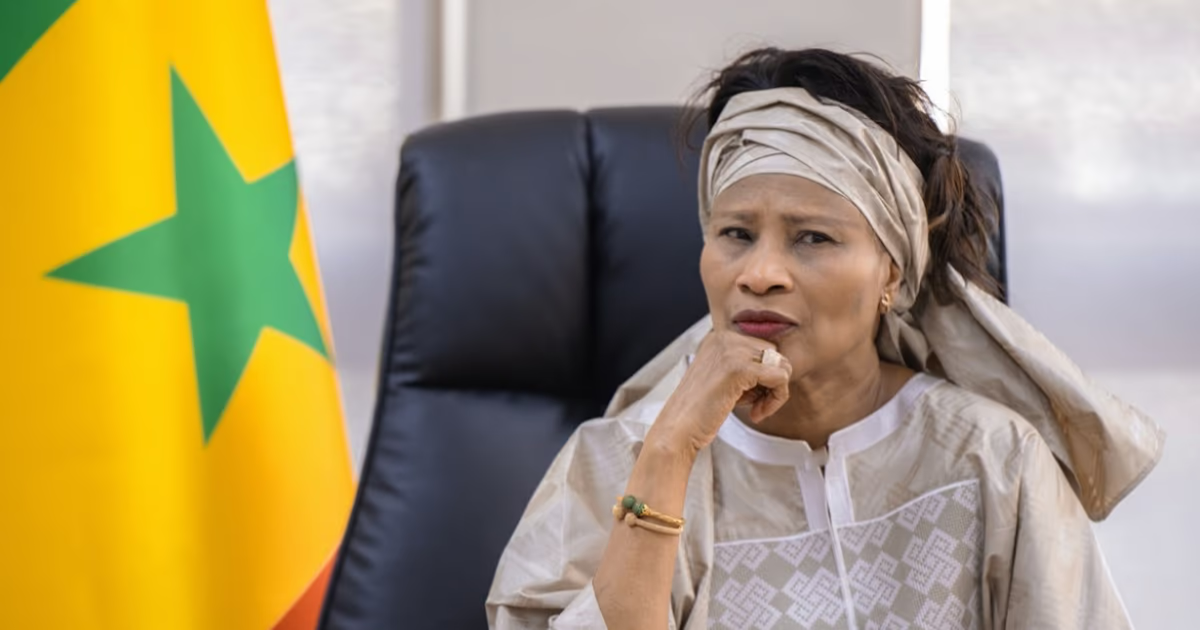
When a political dispute escalates into procedural gridlock at the highest levels of government, the public rarely gets a clear view of the mechanics behind the breakdown. Yet the refusal by National Assembly President Ousmane Sonko to sign parliamentary mission orders this week has pulled back the curtain on deeper tensions within Senegal’s ruling majority, exposing a cycle of tactics once criticized from the opposition benches now being turned inward. Speaking at a press briefing at the APR headquarters, Takku Wallu Sénégal parliamentary group leader Me Aïssata Tall Sall accused…
Read More