After the coup: a controversial law fueling political confrontations
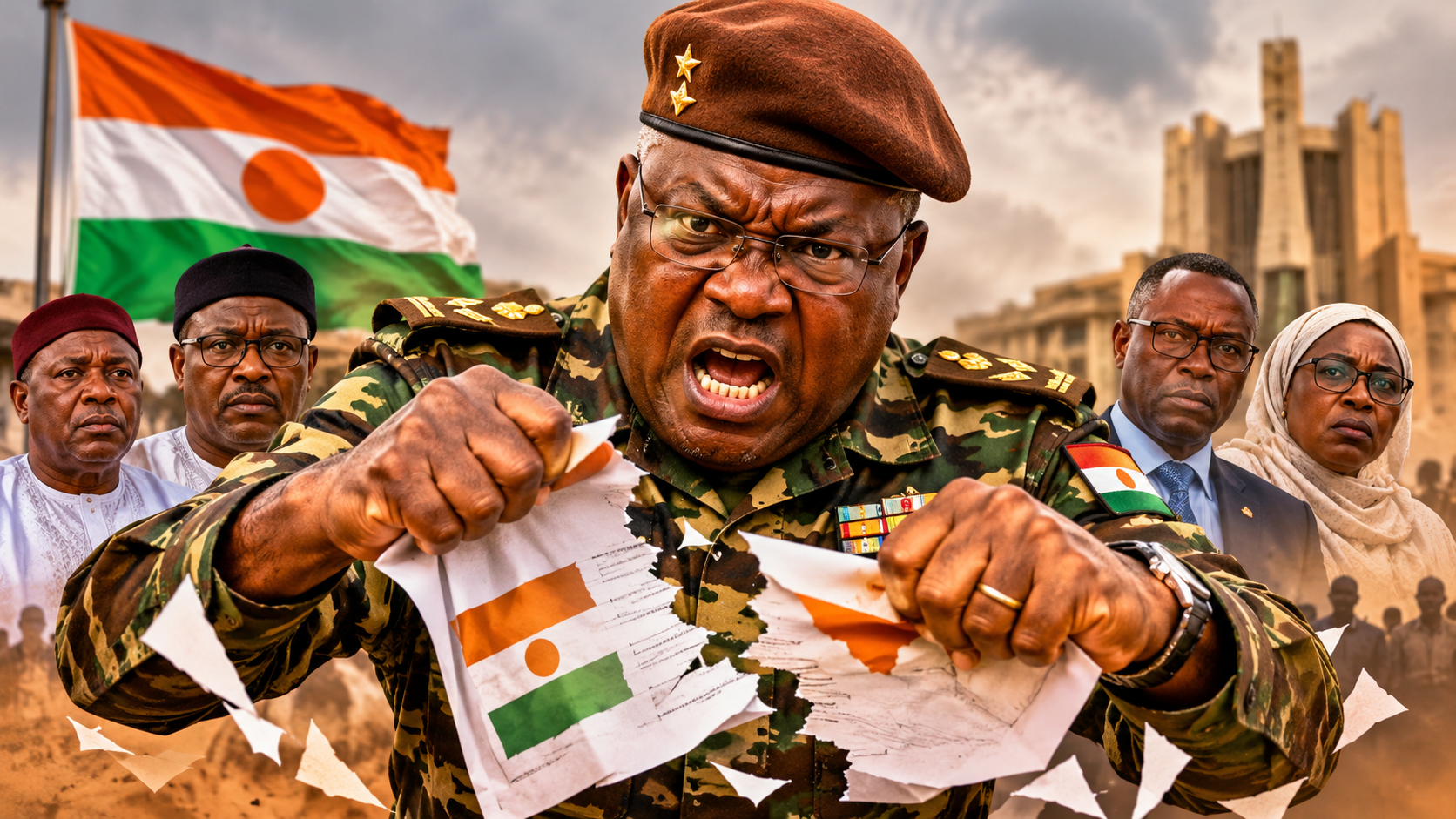
Since the July 2023 coup that ousted President Mohamed Bazoum, Niger’s military authorities have increasingly used citizenship revocation as a legal instrument against political opponents. The latest decree, signed by General Abdourahamane Tiani on September 17, 2026, strips five more individuals including former Prime Minister Ouhoumoudou Mahamadou of their Nigerien nationality, bringing the total to 25 since the policy’s introduction in October 2024. The move has intensified public debate over whether these actions are driven by genuine security concerns or political vendettas.
The blurred line between national security and political vendetta
The military junta has framed the citizenship revocation policy as a necessary measure to safeguard the nation’s fundamental interests. However, the targeting of high-ranking figures from Bazoum’s administration most of whom have no criminal record raises serious concerns about the law’s true purpose. Among those affected are former ministers and advisors who served in Bazoum’s government, suggesting a deliberate effort to weaken political rivals rather than address legitimate security threats.
The junta’s accusations include charges such as disseminating data that could disrupt public order, collaborating with foreign powers, and endangering state security. While these are serious allegations, they are not substantiated by transparent judicial proceedings. The lack of individual justification for each revocation further fuels perceptions of a politically motivated campaign.
Exile and legal limbo: the human cost
For those living abroad, the consequences of citizenship revocation extend far beyond legal penalties. Without a Nigerien passport, individuals face difficulties renewing travel documents, accessing consular services, and even returning to the country. The risk of statelessness looms large, particularly for those whose only nationality is Nigerien.
Human rights organizations have warned that provisional revocations can lead to long-term administrative and legal instability. The uncertainty surrounding travel rights and consular protection places exiled figures in a precarious position, effectively turning citizenship revocation into a tool of coercion rather than justice.
Legal guarantees under scrutiny
The 2024 decrees empowering the junta to revoke citizenship lack robust procedural safeguards. Critics argue that the accusations often based on vague claims of electronic defamation or vague threats to national security fail to meet the standards of fair trial and due process. A fundamental principle of justice is that accusations must be backed by verifiable evidence, not merely political affiliation.
Online criticism of the military regime, for example, should not automatically be treated as a threat to state security. Without independent judicial review, the revocation process risks becoming a mechanism to silence dissent rather than uphold the rule of law.
Political confrontation or institutional integrity?
The persistent targeting of Bazoum-era officials suggests that the citizenship revocation policy may be prolonging the political standoff between the junta and its predecessors. Each new decree deepens the divide, raising questions about the junta’s commitment to national reconciliation.
If these measures are perceived as politically motivated rather than legally justified, they could undermine public trust in state institutions. A government’s legitimacy depends not only on its ability to enforce security but also on its adherence to fair and impartial legal standards. When revocation decisions appear to single out former officials without clear evidence of wrongdoing, the policy risks being seen as a punitive tool rather than a legitimate security measure.
What lies ahead for Niger?
The coming months will determine whether Niger’s citizenship revocation law can strike a balance between security imperatives and respect for fundamental rights. If the junta continues to apply the policy selectively against political opponents, the consequences could extend beyond the individuals targeted eroding democratic norms and fueling further instability.
For the affected individuals, the path forward remains uncertain. Will they be granted fair hearings? Will the revocations be justified with concrete evidence? Or will these measures serve as a reminder that in post-coup Niger, the line between justice and retribution has become dangerously blurred?
The answers to these questions will shape not only the fate of those stripped of their nationality but also the future of Niger’s political landscape and its commitment to the rule of law.
By Aïcha Abdou — Journalist