The lost generation: how Cameroon’s political promises failed its youth
For 44 years, Cameroon has watched successive generations grow up under a political system that has repeatedly failed to deliver on its commitments. The November 6th celebrations—centered around the anniversary of Paul Biya’s presidency—have become a stark reminder of unmet expectations, economic stagnation, and institutional distrust that have come to define the nation’s trajectory.
Alex Nguépi, a former Social Democratic Front (SDF) activist, highlights a decades-long pattern of broken promises, where generations have been conditioned to wait—only to find that change remains perpetually out of reach. « The November 6th milestone isn’t just a date on the calendar; it’s a reflection of 44 years of deferred dreams. Jobs vanish, soaring youth unemployment linger, and political crises deepen while institutions struggle to maintain credibility, » he observes.
Nguépi’s analysis points to a troubling paradox: the more Cameroon’s political elite celebrates its longevity in power, the more its people—especially the youth—find themselves in a cycle of diminishing opportunities and mounting frustrations.
>The uncanny absence: why does the president skip November 6th ceremonies?
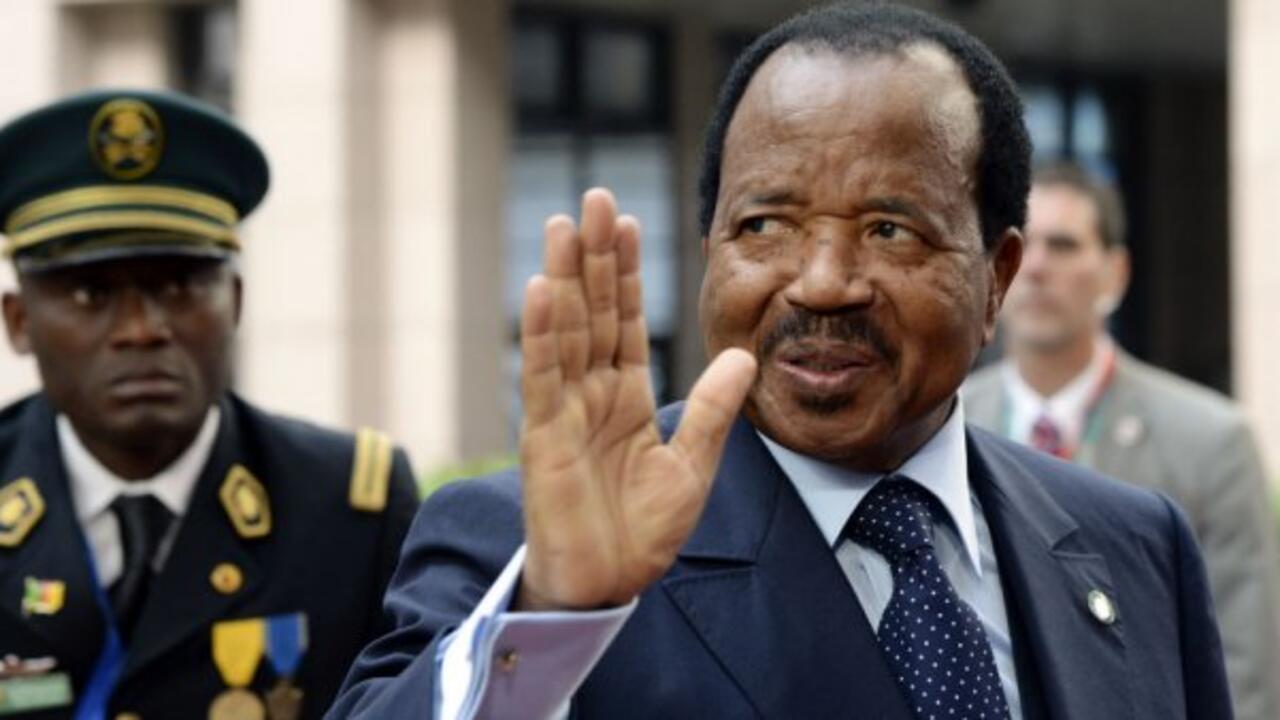
The question of the president’s recurring absence from public ceremonies on November 6th has become a symbol of deeper governance concerns. For years, the head of state has not attended these events, raising questions about transparency, accountability, and the true priorities of the nation’s leadership.
« A country that celebrates its past while its present crumbles needs to pause and ask: what message are we sending? » Nguépi reflects. « The absence isn’t just symbolic—it’s symptomatic of a system that feels increasingly disconnected from the daily realities of its citizens. » The opacity surrounding these absences further fuels skepticism about the country’s political direction and the sincerity of its institutions.
Contested elections and fading trust in institutions
Political scandals and disputed electoral processes have eroded public confidence in Cameroon’s democratic mechanisms. From the contentious 2018 presidential election to the rumored controversies over future polls, each electoral cycle has deepened the divide between the governed and the governing.
The legacy of the late Ni John Fru Ndi’s contested presidential victory decades ago still casts a long shadow over Cameroon’s political landscape. Today, as the 2027 elections loom, the nation faces a critical juncture—one where legitimacy, fairness, and inclusivity are more urgent than ever.
The youth’s silent revolution: can Cameroon break the cycle?
With each passing year, Cameroon’s youth bear the weight of broken promises. The lack of economic opportunities, the erosion of public trust, and the stagnation of institutions have created a generation that feels politically sidelined and economically abandoned.
Yet, there is growing recognition that the future of Cameroon lies not in nostalgia, but in action. As Nguépi notes, « A nation cannot thrive indefinitely on promises alone. It demands strong institutions, genuine democratic transitions, and governance rooted in justice and responsibility. » The question now is whether the country will choose to confront its challenges—or continue the pattern of unfulfilled expectations.
The people of Cameroon hold their fate in their hands. The time for real change is not after November 6th. It is now.