Political rift overshadows enduring energy collaboration
Since Mali severed ties with the Economic Community of West African States (CEDEAO), the country has continued to benefit from a regional electrification project spearheaded by the bloc. This unexpected continuity underscores how shared development goals can outlast diplomatic fractures, sparking intense public debate about the future of West African cooperation.
ECOWAS project delivers tangible progress despite political tensions
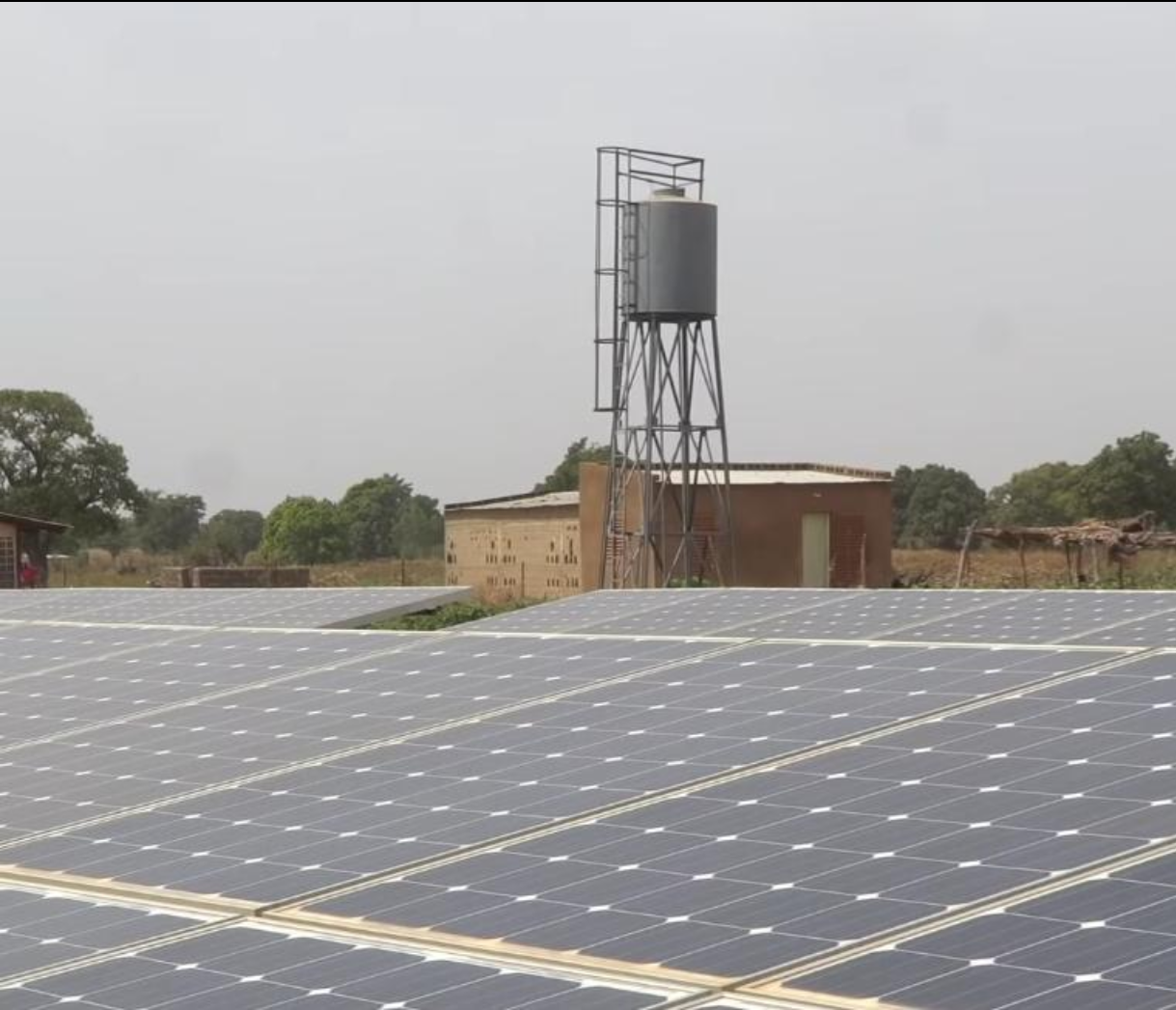
Launched in 2019, the ECOWAS Regional Electricity Access Project (ECOWAS-REAP) aims to expand electricity access in underserved communities across Mali, The Gambia, and Guinea-Bissau. Funded by a $225 million grant from the World Bank and managed by CEDEAO, the initiative has already connected 490 localities, bringing new or improved power to nearly 500,000 people.
The project’s latest steering committee meeting in Abuja brought together representatives from Mali’s Ministry of Energy, Énergie du Mali (EDM-SA), and counterparts from neighboring countries. Despite Mali’s formal withdrawal from CEDEAO, participation by Malian officials highlighted ongoing technical cooperation—raising questions about whether institutional splits inevitably sever all collaborative ties.
Funding flows while political relations stall
Although the $225 million figure reflects the World Bank’s total commitment, CEDEAO acts as the regional coordinator—not the sole source of financing. This structure allows critical infrastructure projects to proceed even when member states disengage politically, demonstrating that not all cooperation hinges on formal alliances.
The Malian government’s continued involvement, however, does not signal a thaw in relations with CEDEAO. Instead, it reflects a pragmatic approach to preserving investments that directly benefit citizens—especially amid economic and security challenges.
Energy access remains a lifeline for Malian communities
For Mali, reliable electricity is more than a diplomatic bargaining chip; it’s a cornerstone for local development, economic activity, and social services. National energy director Oussouby Mary dit Ousmane Diarra emphasized the project’s transformative impact but also highlighted delays caused by security threats and contractual hurdles.
Diarra has formally requested an extension of at least 30 months to address these setbacks, a plea now under review by the World Bank. The move underscores an uncomfortable truth: political realignments do not erase the pressing needs of a population left in the dark.
Can development survive diplomatic fractures?
The Malian case challenges assumptions about West African cooperation. Can infrastructure projects and financial commitments truly endure when political bonds unravel? Early evidence suggests yes—at least temporarily. While CEDEAO focuses on ensuring the sustainability of completed projects, Mali prioritizes expanding energy access regardless of its institutional ties to the bloc.
This pragmatic coexistence raises a pivotal question: when development imperatives clash with political estrangement, which force ultimately prevails? For millions of Malian households, the answer may hinge on whether the lights stay on longer than the diplomatic rift.