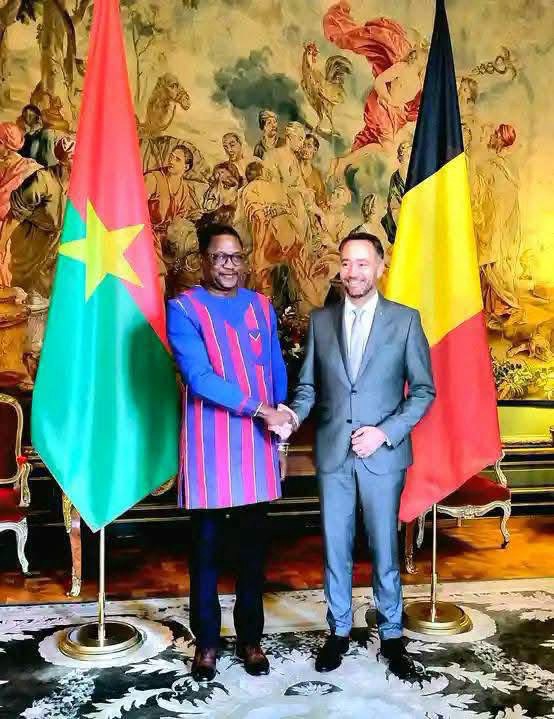
The Burkina Faso transitional government’s recent diplomatic overtures to Brussels have laid bare the financial realities facing the West African nation, forcing a reckoning between its anti-Western rhetoric and the urgent need for funding. Diplomatic U-turn: Ouagadougou seeks Brussels’ support after Moscow talks fall short In a striking reversal of its public campaign against Western partners, Burkina Faso’s military-led administration has quietly resumed high-level negotiations with European institutions. On November 4-5, Foreign Minister Karamoko Jean Marie Traoré met first with EU High Representative Kaja Kallas in Brussels, followed by Belgian…
Read MoreDay: November 6, 2026
Global tech sell-off: $2.5 trillion wiped out as nasdaq tumbles into turmoil
The heart of Wall Street was gripped by chaos as the Nasdaq Composite suffered one of its most violent collapses in recent history, vaporizing over $2.5 trillion in market value within a single trading session. The seismic shockwave rippled across global markets, leaving investors scrambling to assess the fallout and chart a path forward in an environment of heightened uncertainty. AI stocks in the eye of the storm: Nvidia, AMD and chip makers take the hardest hit The artificial intelligence sector, once hailed as the driving force behind the market’s…
Read MoreBehind the scenes of Cameroon’s four-decade leadership: what fuels its paradox of stability and fragility
Cameroon stands at a pivotal moment as it marks the 44th year since Paul Biya assumed the presidency, a period that has woven together threads of institutional continuity and structural vulnerabilities. This milestone isn’t just a numerical celebration; it’s an invitation to dissect the hidden mechanics of power that have sustained one of Africa’s longest-serving leaders—and the nation’s often overlooked fault lines. Paul Biya, now 93, secured a seventh presidential term in October 2025, yet the shadows of his succession loom larger than ever. Beyond the official narrative of stability…
Read More