When a political dispute escalates into procedural gridlock at the highest levels of government, the public rarely gets a clear view of the mechanics behind the breakdown. Yet the refusal by National Assembly President Ousmane Sonko to sign parliamentary mission orders this week has pulled back the curtain on deeper tensions within Senegal’s ruling majority, exposing a cycle of tactics once criticized from the opposition benches now being turned inward.
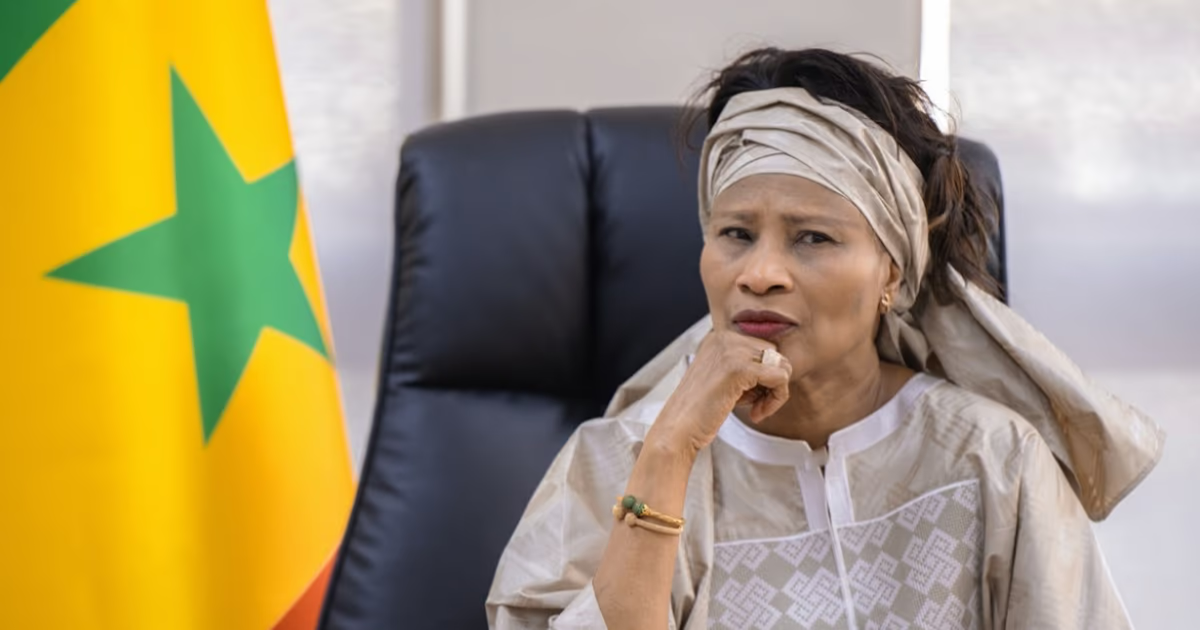
Speaking at a press briefing at the APR headquarters, Takku Wallu Sénégal parliamentary group leader Me Aïssata Tall Sall accused Mr. Sonko of deliberately blocking the deployment of opposition deputies on official fact-finding missions. 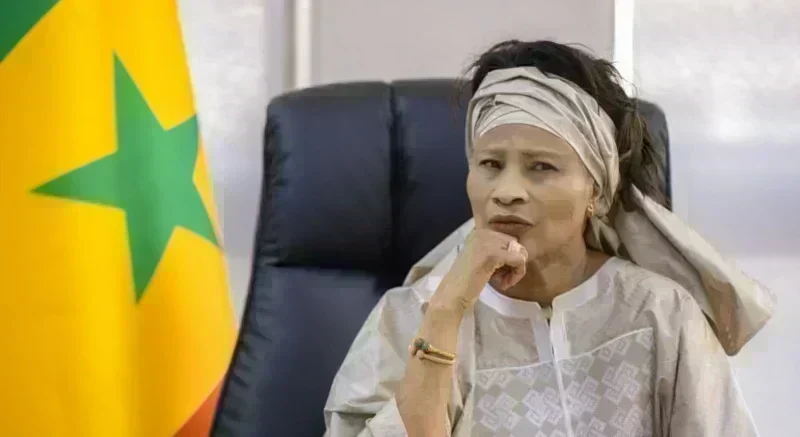
From opposition rhetoric to ruling majority reality
The move has reignited accusations that the current majority is replicating the obstructionist strategies they once condemned when in the opposition. This shift has sparked questions about the underlying motivations and long-term implications for parliamentary function itself.
During her address, Me Tall Sall emphasized that the refusal to authorize missions reflects a disconnect with the core purpose of democratic representation. “Parliamentary missions are not privileges—they are instruments of oversight and service to the nation,” she stated. “When mission orders are withheld, we are not only stifling debate; we are undermining the very institutions we claim to uphold.”
Budget oversight at risk: who pays the price?
Crucially, the dispute carries direct consequences for Senegal’s public finances. Me Tall Sall warned that instrumentalizing state funds in political disputes risks destabilizing essential services and delaying development projects rooted in the national budget.
- Accountability in question: Without approved missions, oversight committees cannot investigate public spending, raising concerns about transparency.
- Legislative stagnation: Blocked missions delay critical reviews of government programs, including health, education, and infrastructure.
- Public trust eroded: Citizens expect their representatives to fulfill oversight duties—not weaponize procedural delays for political leverage.
Opposition strategy: firm principles, measured pressure
Me Tall Sall reaffirmed that her group would maintain a “reasoned, responsible, and mature” opposition approach, rooted in constitutional principles. “We will not deviate from our commitment to serve the people,” she said. “No political tactic is worth blocking the nation’s budget or denying citizens the transparency they deserve.”
She concluded with a call for national unity: “The state’s budget does not belong to any party, faction, or individual—it belongs to the Senegalese people. We must uphold that truth, not weaponize it.”