From fuel exporter to importer: the paradox of Niger’s energy dependence
The arrival of 53 Algerian fuel tankers in Agadez, greeted with fanfare by Nigerien officials, marked a stunning reversal: a country that once exported refined petroleum products now depends on foreign convoys to meet domestic demand. While authorities framed the shipment as a diplomatic triumph, the move underscores deeper failures in Niger’s energy sector management, raising urgent questions about governance, financial mismanagement, and the erosion of national fuel reserves.
Vanishing surpluses: How Niger’s exportable gasoline disappeared
Just three years ago, Niger’s Zinder refinery (SORAZ) produced over 365 million liters of gasoline annually, exporting nearly 38 million liters. By 2024, the surplus vanished entirely—all production was absorbed by the national distributor (SONIDEP), leaving zero exportable reserves. The first two months of 2025 saw a similar pattern: 57 million liters produced and distributed domestically, with no surplus for export.
This shift coincided with a 2024 SORAZ announcement that gasoline and liquefied petroleum gas (LPG) were now reserved solely for domestic use, while diesel continued to be exported. The contradiction is glaring: how did a nation with refining capacity fail to maintain adequate fuel reserves?
Financial red flags: A national distributor drowning in debt
SONIDEP, tasked with fuel distribution, faces accusations of mismanagement amid reports of a staggering 418 billion CFA franc debt. Key questions linger: Are commercial sales fully collected? Are distributor debts being resolved? What revenue actually reaches company coffers?
Speculation swirls that SONIDEP may have liquidated strategic reserves to cover short-term cash flow, jeopardizing both maintenance schedules for SORAZ and the country’s energy sovereignty. Transparency is critical—contracts, stock transfers, and beneficiary details must be verified to determine if this was a short-term fix or a chronic cash crunch.
Nigeria’s informal fuel lifeline collapses
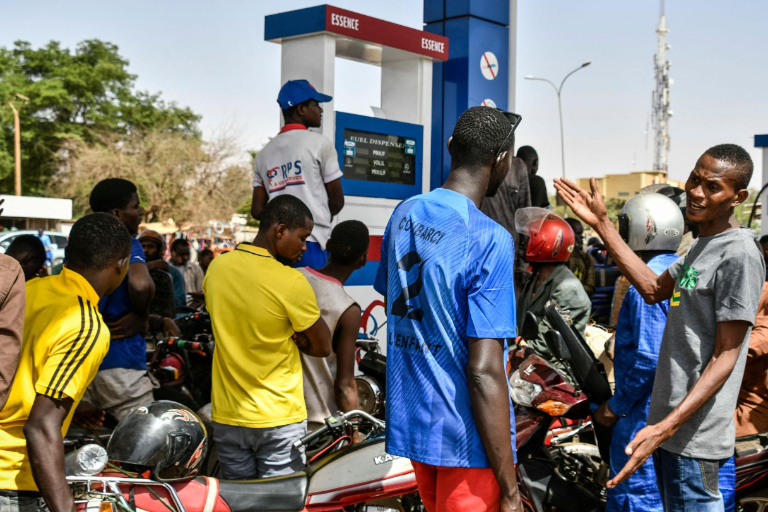
The crisis also reveals the fragility of Niger’s supply chains. For years, much of the country’s fuel demand was met through informal, cross-border smuggling from Nigeria. But after Nigeria’s 2025 subsidy cuts and stricter border controls, those illicit flows dwindled. By March 2025, SONIDEP was receiving just half its daily fuel needs from domestic production, forcing authorities to seek alternative solutions.
The collapse of informal supply chains exposed a critical flaw: Niger lacked formal infrastructure to compensate for lost smuggled imports. Why weren’t storage capacity and import mechanisms expanded proactively?
Mali’s solidarity demand: A double standard in resource allocation
In November 2025, Niger sent 82 fuel tankers to Mali amid a blockade by armed groups, a move that led to sanctions against transporters who refused the government’s orders. The contradiction is stark: while officials celebrated Algerian fuel arrivals, transporters faced penalties for facilitating regional solidarity. Did Niger’s energy reserves truly allow such parallel commitments? The lack of clarity raises ethical and logistical questions about national priorities.
Algeria’s role: A strategic partner or a last-resort fix?
Algeria’s refineries and proximity make it a natural partner for Niger. Yet the October 2026 government ban on gasoline and diesel exports—aimed at prioritizing domestic supply—highlights the urgency of the crisis. The 1.65 million liters from Algeria provided temporary relief, but it’s a bandage on a systemic wound. Will the new stock controls and crisis committee instill lasting stability?
Demanding accountability: The missing pieces of Niger’s energy puzzle
To restore credibility, Niger must address unanswered questions:
- Where did the exportable surplus go? If 47 million liters of gasoline vanished in 2024, why did domestic deficits surge to 196 million liters in eight months?
- What is the true state of strategic reserves? Are they being drained for cash flow?
- How is SONIDEP’s debt affecting operations? Are distributor payments being enforced?
- What were the terms of Algeria’s fuel deal? Did Niger incur losses by prioritizing imports over domestic production?
The heart of the issue isn’t Algeria’s assistance—it’s Niger’s inability to explain why a petroleum-producing nation must import fuel while its own refineries struggle. True energy sovereignty requires more than production; it demands transparent governance, robust reserves, and a strategy to reconcile domestic needs with regional obligations.
Beyond the tanker convoys: The path to energy resilience
Niger’s crisis is a cautionary tale for resource-rich nations. Refineries alone don’t guarantee energy independence; without fiscal discipline, strategic foresight, and accountable institutions, even abundant resources can fail to meet demand. The next steps must include independent audits, stockpile replenishment plans, and a clear policy on when—and how—to engage foreign partners.
The spectacle of Algerian tankers parading into Agadez should not distract from the urgent work ahead: restoring transparency, rebuilding reserves, and ensuring that Niger’s fuel supply is secured by its own policies, not foreign convoys.