What we know about Habibou Oumarou Mamane’s arrest and the fallout
The detention of former Nigerian police inspector Habibou Oumarou Mamane—nicknamed “The Rebel”—and ten others has ignited a fierce debate across West Africa. Just days before his arrest, Mamane made explosive claims on national television, alleging behind-the-scenes operations aimed at destabilizing Niger, with alleged ties to Beninese intelligence networks. But the fallout has raised more questions than answers, straining diplomatic ties between Niamey and Cotonou.
Televised testimony fuels regional tensions
On October 23, 2026, Habibou Oumarou Mamane took to the airwaves on Niger’s state broadcaster, where he detailed what he described as covert efforts to undermine the country’s stability. His claims centered on alleged contacts with individuals he linked to Beninese intelligence services, including one instance where he asserted he had been asked to locate Beninese Lieutenant Colonel Pascal Tigri.
The former inspector also suggested that Nigerian expatriates abroad were involved in exchanges that could be interpreted as preparation for destabilizing actions against Niger’s government. While his televised statements have drawn widespread attention, they remain unverified claims without concrete evidence to substantiate them.
Did Benin play a role in Niger’s alleged destabilization plans?
The allegations leveled by Mamane point to a possible transnational conspiracy, with implications for the already fragile relationship between Niger and Benin. Since both countries have experienced recent political turbulence, accusations of foreign interference carry significant weight. Yet, without official confirmation from Beninese authorities, the claims remain speculative.
Ange Chekaraou denies involvement amid growing scrutiny
Among those named in Mamane’s testimony is Ange Chekaraou, who has publicly denied any connection to the alleged destabilization plot. His rebuttal adds another layer of complexity to the case, highlighting the divided reactions to the former inspector’s explosive statements. Until judicial investigations provide clarity, the credibility of all claims remains under scrutiny.
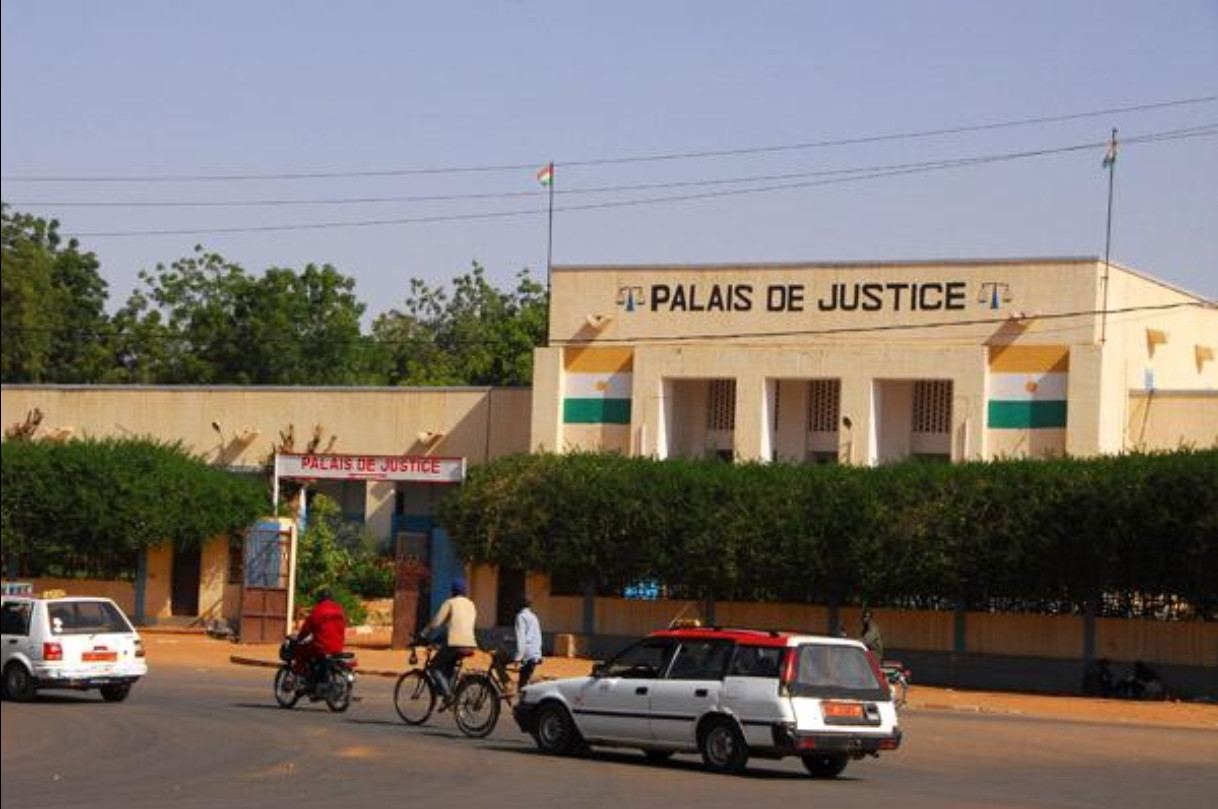
While Mamane and his ten co-defendants now face detention, none have been formally convicted. The authorities have yet to disclose the full charges against them or whether independent evidence supports Mamane’s allegations. This has left many wondering: what exactly occurred, and who is truly behind the alleged schemes?
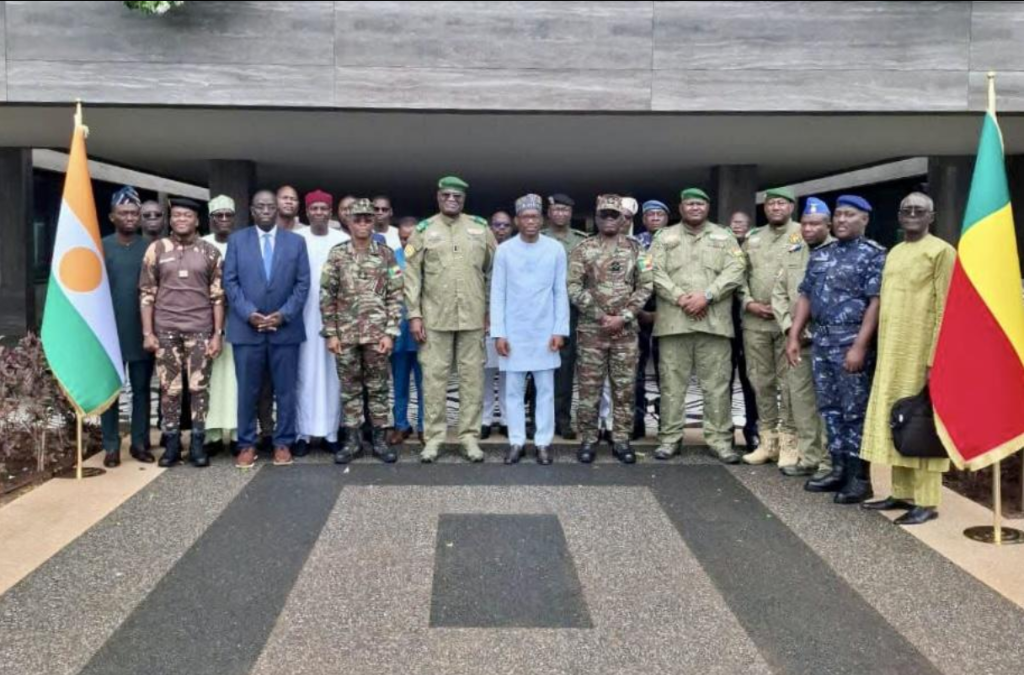
Where does this leave Niamey and Cotonou?
The diplomatic repercussions of this case are undeniable. Relations between Niger and Benin, already strained by political and security differences, may face further deterioration if the accusations are left unaddressed. For now, the situation remains fluid, with more questions than resolved answers.
As the judicial process unfolds, the international community will be watching closely. Will evidence emerge to substantiate Mamane’s claims? Or will this be remembered as another episode of unsubstantiated allegations in an already unstable region?
What comes next? The road ahead for Niger and its regional relations
With eleven individuals behind bars and no definitive conclusions in sight, this case is far from over. The next phase of the investigation will determine whether Mamane’s testimony holds weight—or whether it was an attempt to further muddy the waters in an already tense geopolitical landscape.
In the meantime, regional stakeholders must tread carefully. Unverified claims, no matter how sensational, can have real-world consequences. Until facts are established, the truth remains elusive—and the fallout continues.