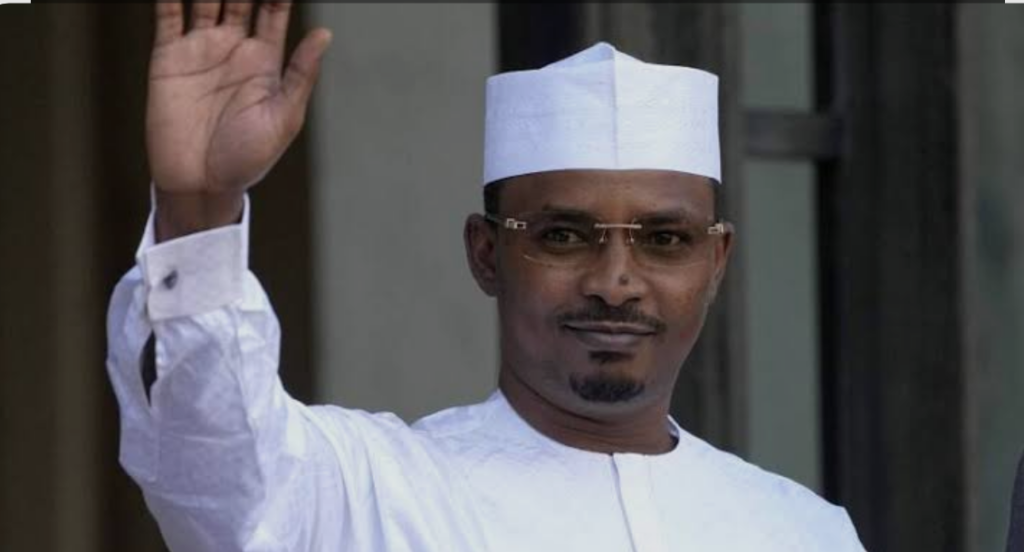
The government of Chad has formally notified the United Nations Secretary-General of its decision to withdraw from the International Criminal Court (ICC), a move that sends shockwaves through the global justice landscape. Announced on July 27, this unprecedented diplomatic shift underscores deep-seated frustrations over what N’Djamena describes as the ICC’s politically driven focus on African nations, leaving the global south underrepresented in its accountability mechanisms.
A historic rupture with international justice
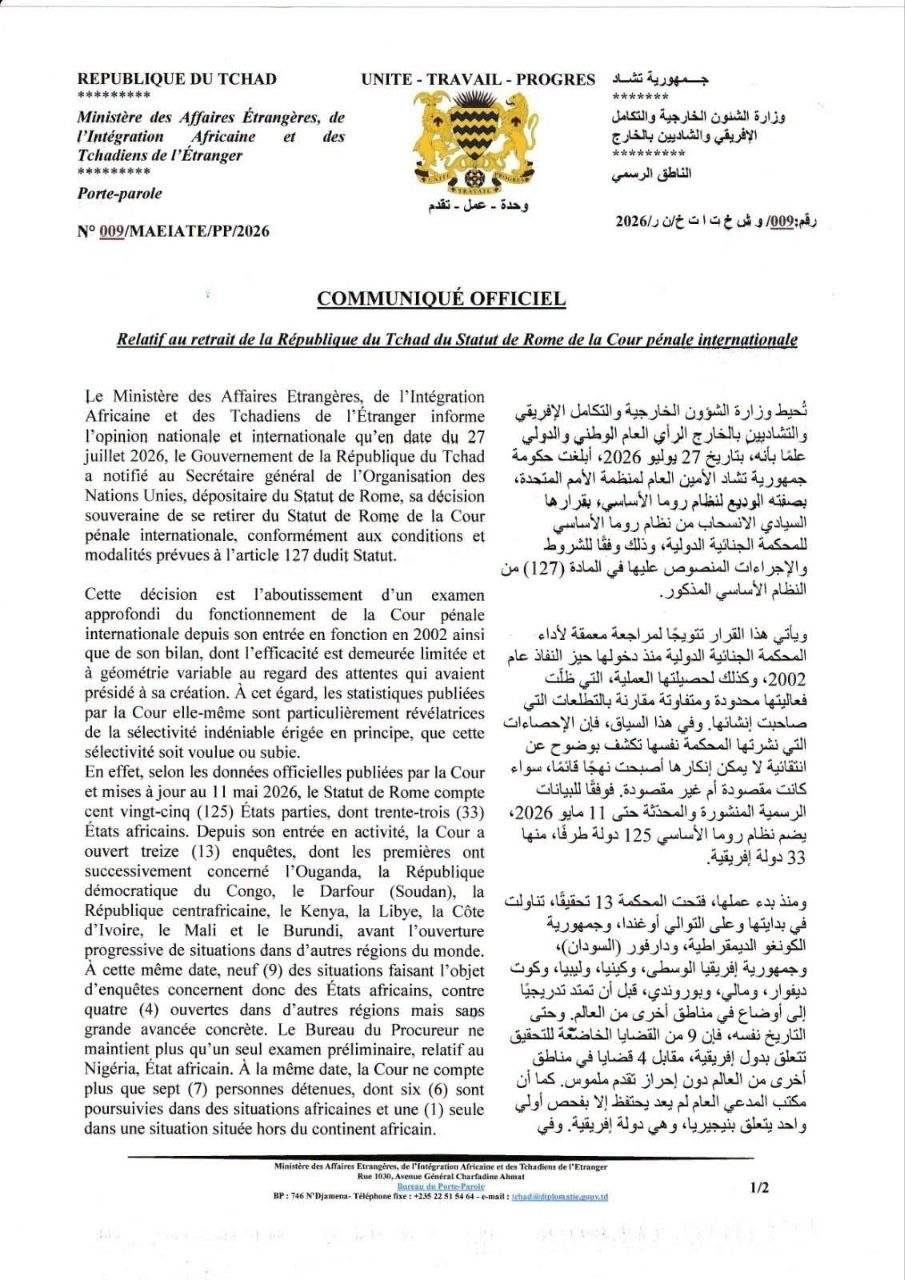
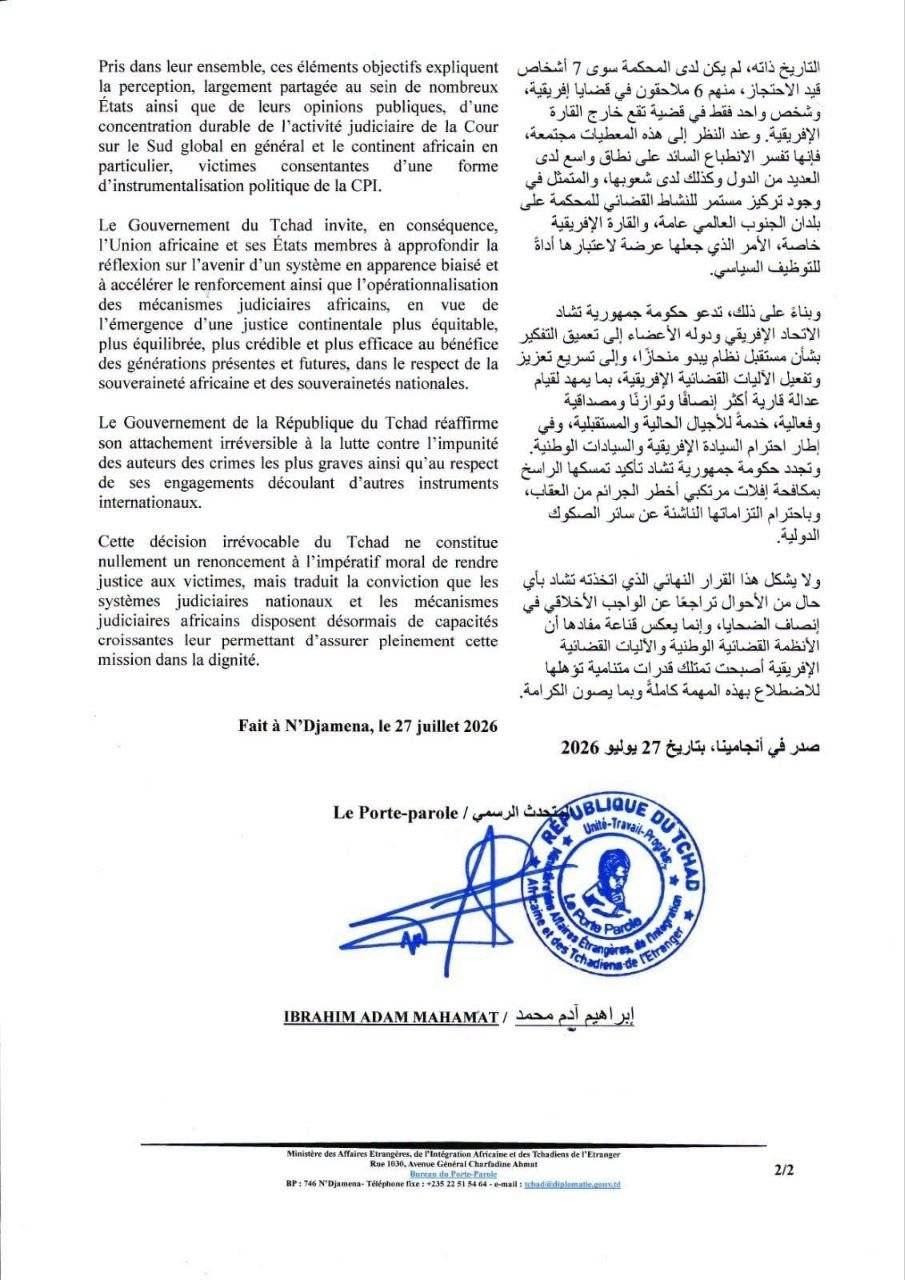
By submitting its withdrawal request under the Rome Statute, Chad has initiated a year-long transition period before its exit becomes legally binding. The government’s stance is unambiguous: it accuses the ICC of systemic inefficiency and a biased prosecutorial approach that disproportionately targets African leaders while overlooking comparable crimes elsewhere. This decision reflects a growing rift between several African states and the Hague-based court, which was originally established to combat impunity for war crimes, crimes against humanity, and genocide.
Justice at home: the risks and realities
While the withdrawal sends a strong political message on the world stage, its most immediate consequences will be felt within Chad’s borders. The removal of ICC jurisdiction leaves citizens with diminished recourse in cases of grave human rights violations, as the court’s subsidiariety principle—whereby it intervenes only when national courts are unable or unwilling to act—will no longer apply.
Civil society organizations have raised alarm over the potential erosion of accountability. Without the oversight of an independent international tribunal, victims of state-sponsored or militia-led abuses may face greater challenges in securing fair trials. The burden now falls entirely on Chad’s judiciary, whose independence and capacity to handle complex cases without political interference will be closely scrutinized.
Sovereignty vs. accountability: a high-stakes gamble
The withdrawal also carries significant diplomatic implications. Chad’s move aligns with a broader regional trend of asserting national sovereignty, particularly in West Africa and the Sahel, where distrust of international oversight institutions runs deep. However, this strategy carries risks: traditional Western donors may reconsider financial aid tied to human rights commitments, while foreign investors could hesitate to commit resources without assurances of legal protection.
The African Union, though historically critical of the ICC, remains divided on whether withdrawal is the solution. Chad’s decision to take a radical path has intensified debates about the court’s future role on the continent and the viability of alternative justice models.
What’s next for Chad’s judicial system?
The government argues that Chad’s courts are now fully equipped to handle domestic cases, but this claim hinges on tangible reforms. Key priorities include increasing funding for the judiciary, ensuring judicial independence, and establishing robust witness protection programs. The one-year transition period—during which the ICC could still theoretically prosecute crimes committed before the withdrawal—will be a critical test of N’Djamena’s commitment to justice.
For victims and activists, the withdrawal is a double-edged sword. While it signals a rejection of perceived external interference, it also removes a vital safeguard against impunity. The true measure of this policy’s success will not be measured in diplomatic salons or courtrooms abroad, but in the everyday experiences of ordinary Chadians: will their courts deliver the justice and protection they deserve?