Niger’s military leadership faces growing discontent amid unmet promises
July 2023 marked a turning point for Niger as a military junta assumed control, pledging to restore national sovereignty, security, and economic stability. Three years later, these ambitious goals remain largely unfulfilled, leaving citizens grappling with worsening living conditions and persistent challenges.
The junta’s narrative of regained independence contrasts sharply with the daily struggles of Nigeriens. Diplomatic isolation, regional tensions, and economic instability continue to cast a long shadow over the country’s future, challenging the regime’s claims of progress.
A struggling economy and eroding living standards
The economic fallout from the political transition has been severe. Disruptions in cross-border trade, supply chain challenges, and reduced foreign investment have crippled key sectors. Businesses have scaled back operations or shut down entirely, while job opportunities have dwindled.
Inflation has surged, driving up prices for essential goods like food, fuel, and household items. Households across the nation are feeling the pinch, with purchasing power steadily declining. Local governments, traders, and farmers also face mounting financial barriers, including limited access to credit and an uncertain business climate that stifles growth and innovation.
Crackdown on freedoms fuels public discontent
Human rights advocates warn of a shrinking civic space as dissent becomes increasingly risky. Critics of the regime risk legal repercussions or arrest, while independent journalists navigate a climate of intimidation and restricted press freedom. Public gatherings and political rallies are heavily restricted, further limiting avenues for opposition voices and civil society engagement.
Faced with these constraints, some citizens choose silence as a form of self-preservation, while others opt to leave the country in search of stability. The combination of economic hardship and political repression has created a climate of uncertainty that permeates daily life.
Security threats persist despite military reforms
The junta’s rise to power was justified by the need to combat terrorism, yet armed attacks continue to plague several regions. Border communities bear the brunt of this violence, facing forced displacements and limited access to basic services like healthcare and education. Many villages remain trapped in a cycle of insecurity, with agriculture, commerce, and local economies suffering severe setbacks.
The ongoing security crisis raises serious questions about the effectiveness of the military’s strategy over the past three years. Despite reorganizations and new security partnerships, the threat of violence shows no signs of abating.
Official narratives fail to address mounting concerns
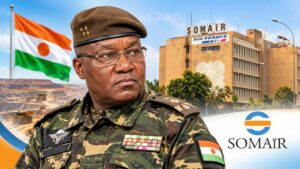
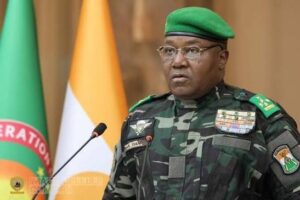
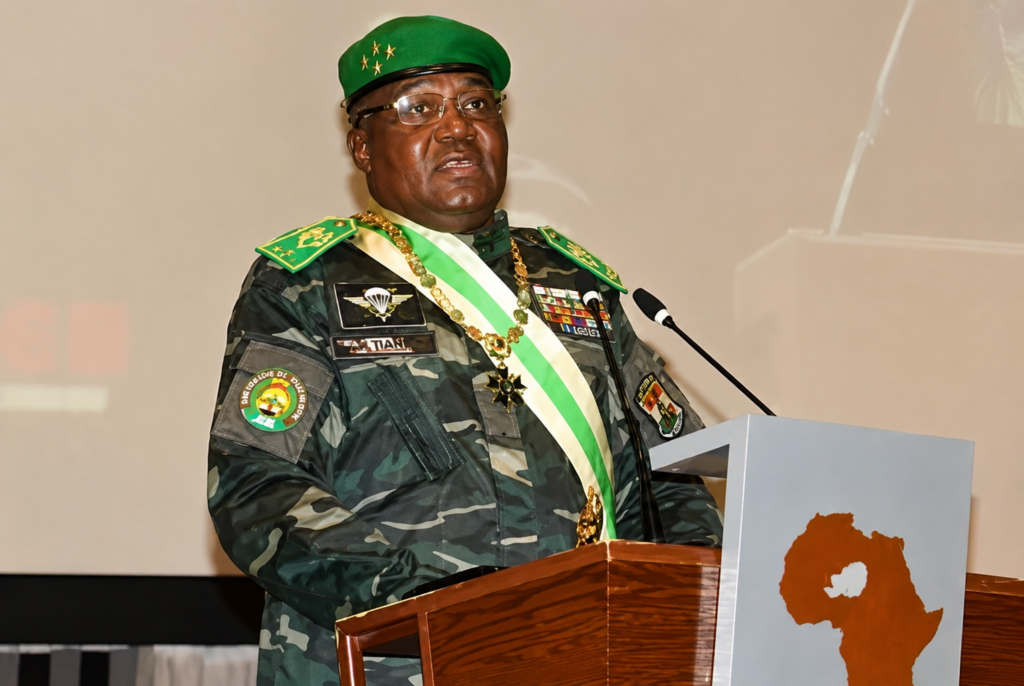
The recent televised address by General Abdourahamane Tiani underscored the regime’s struggle to deliver tangible solutions. Rather than outlining concrete steps to address security or economic woes, the speech focused heavily on external threats and blaming foreign actors. Analysts suggest this approach reflects the government’s difficulty in demonstrating meaningful progress on its core promises.
As frustrations grow, public discourse is shifting from assigning blame to demanding actionable solutions that address the country’s pressing challenges.
A political landscape locked in uncertainty
The prolonged military rule has led to a tightening grip on political life. Without a clear roadmap for a return to civilian governance, questions about Niger’s institutional future loom large. Political parties operate under severe restrictions, and public debate remains stifled, reinforcing concerns about the erosion of democratic checks and balances and the marginalization of citizen participation.
Three years on: a reality far from expectations
For many Nigeriens, the transition’s initial promises have collided with harsh reality. The economy remains fragile, the cost of living continues to climb, civic freedoms are under threat, and insecurity lingers in multiple regions. The focus has shifted from political debates to the urgent need for stability, security, and economic opportunities that can offer a pathway to a better future.
Calls for accountability, dialogue, and concrete solutions to address the population’s pressing concerns are growing louder, reflecting a society at a crossroads.