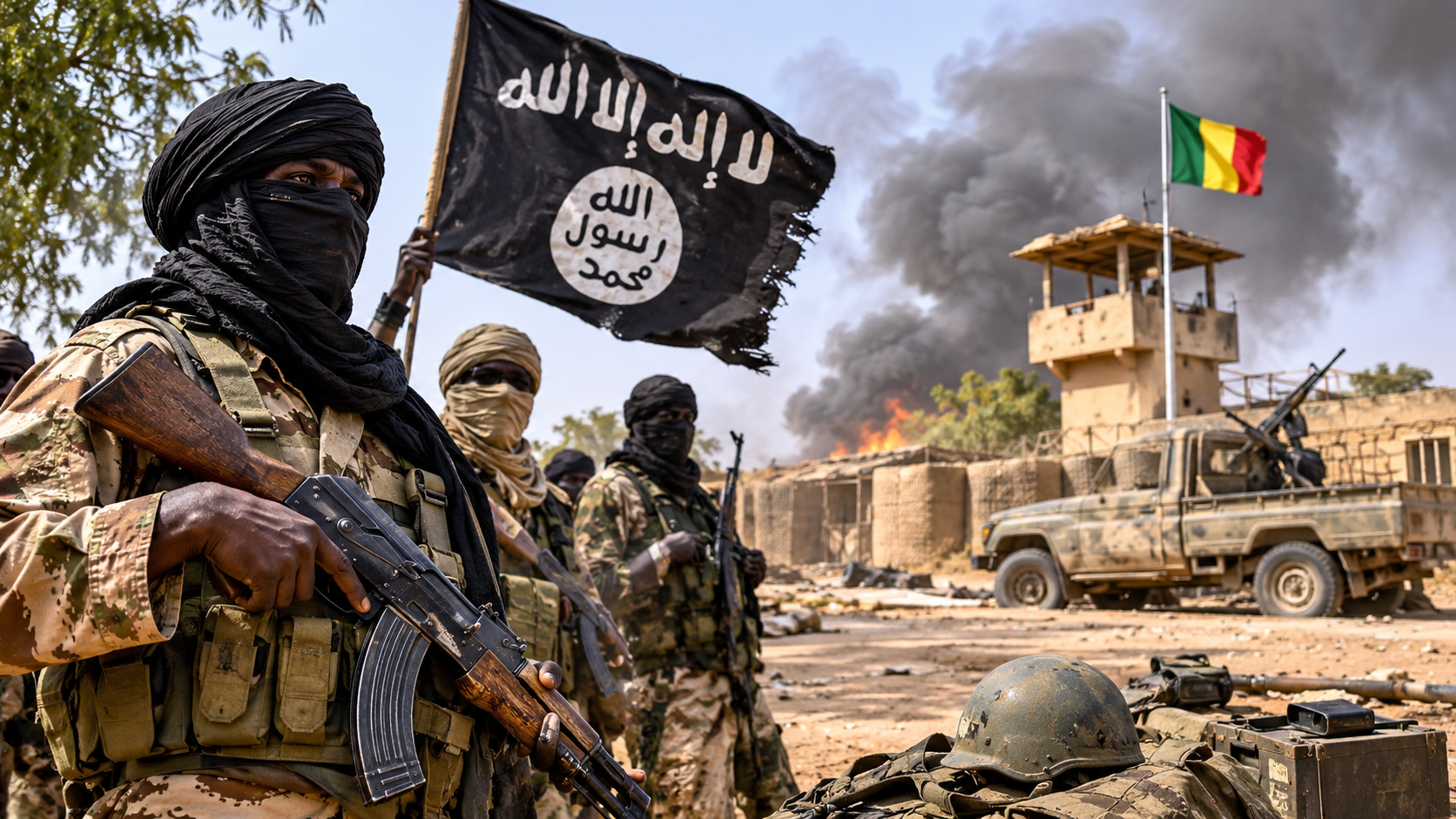
The latest offensive by the Group for the Support of Islam and Muslims (JNIM) in central Mali has reignited concerns about the country’s escalating security crisis. On the morning of October 31, 2026, militants launched an assault on a fortified position near Bayman in the Mopti region, targeting fighters reportedly aligned with the Malian junta. The attack, claimed by the jihadist coalition, has triggered urgent questions about the effectiveness of Bamako’s military strategy and its reliance on allied forces.
Aftermath of the assault: a new blow to Mali’s military campaign
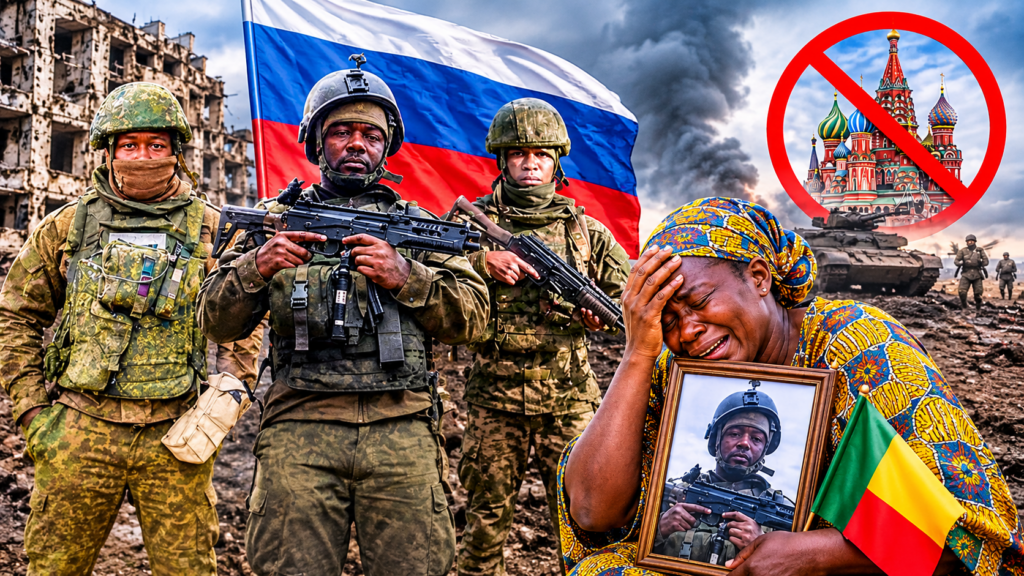
According to the JNIM’s statement, the operation resulted in multiple casualties among the pro-government fighters, identified in the communiqué as the « Russafricains » a term used to describe militia groups collaborating closely with the Russian-backed Malian security apparatus. While the group boasts of having neutralized several combatants and seized the position, independent verification remains elusive. The absence of a confirmed death toll or casualty report has left military analysts scrambling for clarity in a rapidly evolving crisis.
Recent setbacks fuel skepticism over military progress
The Bayman attack is not an isolated incident. Just weeks earlier, on September 10, militants launched a devastating assault on the town of Dioura, where at least 100 Malian soldiers and five Russian paramilitaries were killed, with dozens more taken captive. These losses have cast doubt on the narrative of steady progress promoted by Bamako’s military leadership, which has repeatedly touted joint operations and aerial strikes as turning points in the conflict.
Official figures released on October 31 claim over 4,800 « terrorists » neutralized and more than 850 airstrikes conducted since May 2026 a tally that, if accurate, would represent a significant campaign effort. Yet the persistent violence against military outposts raises critical questions: Are these operations truly degrading jihadist capabilities, or are they merely temporary setbacks for an adaptable adversary?
Russia’s role in Mali’s security quagmire
The recurring failures have intensified scrutiny of Mali’s partnership with Russia, whose Wagner Group affiliates have been instrumental in supporting the junta’s counterterrorism efforts. Despite these reinforcements, the JNIM continues to exploit vulnerabilities in the security apparatus, targeting both military installations and civilian areas alike. The Bayman incident underscores a harsh reality: military hardware and foreign support alone cannot compensate for strategic weaknesses on the ground.
Public debate grows over accountability and future strategy
The latest attack has galvanized critics who argue that the junta’s overreliance on foreign fighters and unilateral military tactics has failed to yield sustainable results. In a climate of mounting frustration, calls for a reassessment of Mali’s approach to counterinsurgency are growing louder. Can Bamako’s forces secure the region’s fragile stability, or will the JNIM’s momentum continue unchecked?
The international community, too, remains divided. Some observers point to Mali’s heavy-handed tactics, which have alienated local populations and fueled recruitment for militant groups. Others highlight the absence of a broader political solution to address the root causes of instability. As the dust settles on the Bayman assault, one question looms large: What will it take to reverse the tide of this eight-year conflict?
A crisis of confidence in Mali’s leadership
The JNIM’s latest gains have not only exposed military vulnerabilities but also eroded public trust in the junta’s ability to protect its citizens. With each new attack, the narrative of progress rings increasingly hollow, leaving Malians and its partners grappling with an uncertain future. As the government scrambles to regroup, the fight for Mopti and the Sahel at large enters a critical phase.
By Aïcha Abdou — Journalist