The dust is settling on the third Russia-Africa Summit in Moscow, and Benin’s vice president Mariam Chabi Talata is at the heart of a growing debate over how African nations should navigate partnerships with global powers. With post-summit reactions exposing sharp divides across the continent, Benin’s high-profile engagement has sparked both praise and skepticism about the long-term implications for its economic sovereignty.
Standing at the center of the discourse is Cotonou’s deliberate move to recast its historical ties with Moscow into a tool for modern development. As reactions unfold from regional analysts, political observers, and civil society, the question remains: will this cooperation model translate into tangible gains for Benin’s people, or will it deepen dependence on external actors?
Moscow summit highlights: A display of Benin’s strategic pivot
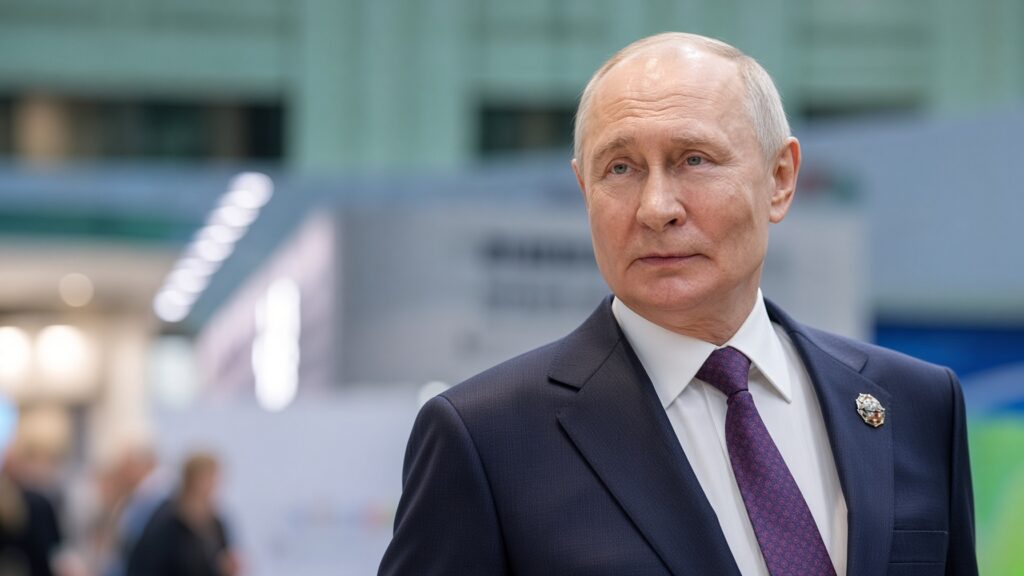
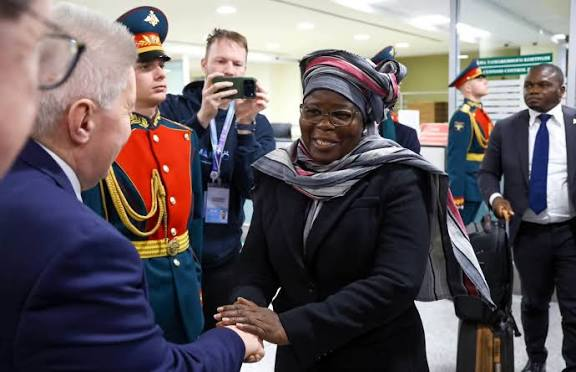
Vice President Mariam Chabi Talata’s presence at the two-day summit in late October 2026 wasn’t just symbolic—it was a strategic statement. Leading the Beninese delegation, she engaged directly with Russian officials, including President Vladimir Putin, during a high-level reception. Her mission was clear: reposition Benin’s diplomatic and economic ties with Russia not as a relic of the Cold War, but as a forward-looking engine for growth.
But beyond the official photographs and ceremonial handshakes, the summit served as a litmus test for how African nations can leverage international forums to advance domestic priorities. For Benin, this meant advocating for economic partnerships that go beyond raw material exports, focusing instead on value-added investments and skills transfer.
From historical bonds to a modern partnership agenda
Benin’s diplomatic roots with Russia trace back to independence in 1962, when it was known as the Republic of Dahomey. Cooperation flourished in the 1970s and 1980s, especially under the People’s Republic of Benin, with thousands of students and professionals trained in the Soviet Union. These exchanges laid the foundation for a relationship rooted in education, healthcare, and defense.
Now, decades later, Benin is seeking to modernize this legacy. The Moscow summit offered a platform to redefine that partnership—moving past nostalgia and toward mutually beneficial frameworks that align with Benin’s 2027–2029 development roadmap. The goal? To ensure that cooperation doesn’t just serve geopolitical interests, but delivers real economic dividends to Benin’s citizens.
What’s at stake in the Russia-Africa action plan
This third Russia-Africa Summit followed those held in Sochi (2019) and St. Petersburg (2023). At its core, the event assessed the outcomes of the 2023–2026 Russia-Africa Action Plan and laid groundwork for the next cycle (2027–2029). But in a post-summit environment where voices across Africa are questioning the fairness of global partnerships, Benin’s approach stands out.
Rather than accepting one-sided trade agreements, Benin pushed for cooperation models that prioritize local value creation. That includes targeted investments in agriculture, energy, and digital infrastructure—sectors where Benin sees potential to reduce dependency on traditional partners and build resilience.
Africa reacts: Praise, caution, and the call for new benchmarks
Public reactions to the summit have been anything but uniform. In West Africa, some analysts hail Benin’s engagement as a bold step toward diversifying partnerships. Others warn that without strict transparency and local oversight, such cooperation could reinforce imbalances, leaving Benin vulnerable to cycles of debt or unequal exchange.
Civil society groups have been particularly vocal, urging the government to publish the full terms of any new agreements and ensure public participation in decision-making. Their message is clear: economic diplomacy must be inclusive, or risk fueling public distrust and instability.
What comes next? Benin charts its path forward
The final declaration and renewed action plan adopted in Moscow signal a new phase in Russia-Benin relations. But as Benin prepares to implement these commitments, the real test will be implementation. Will the promised investments materialize? Will local industries benefit from technology transfers? Will youth and women gain access to new opportunities?
For Vice President Chabi Talata and her team, the summit was only the opening move. The coming months will determine whether Benin can convert diplomatic momentum into sustainable development—or whether it will be drawn into a partnership that serves foreign interests more than its own.
One thing is certain: the fallout from this summit will continue to shape the debate across Africa about how to partner with global powers without sacrificing sovereignty. And Benin’s next steps will be watched closely.