Dakar 2026: the hidden gears driving Africa’s Olympic youth games revolution
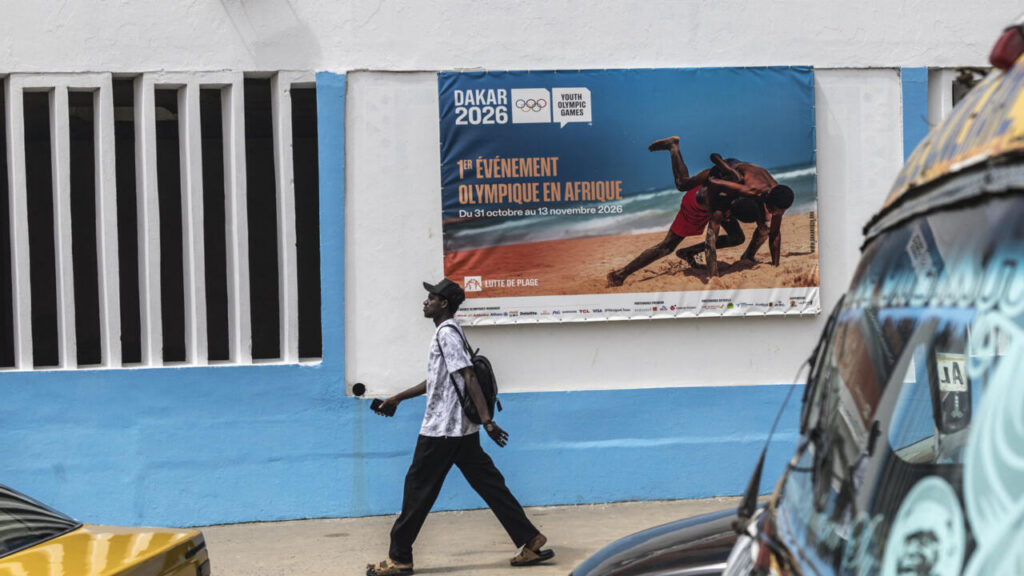
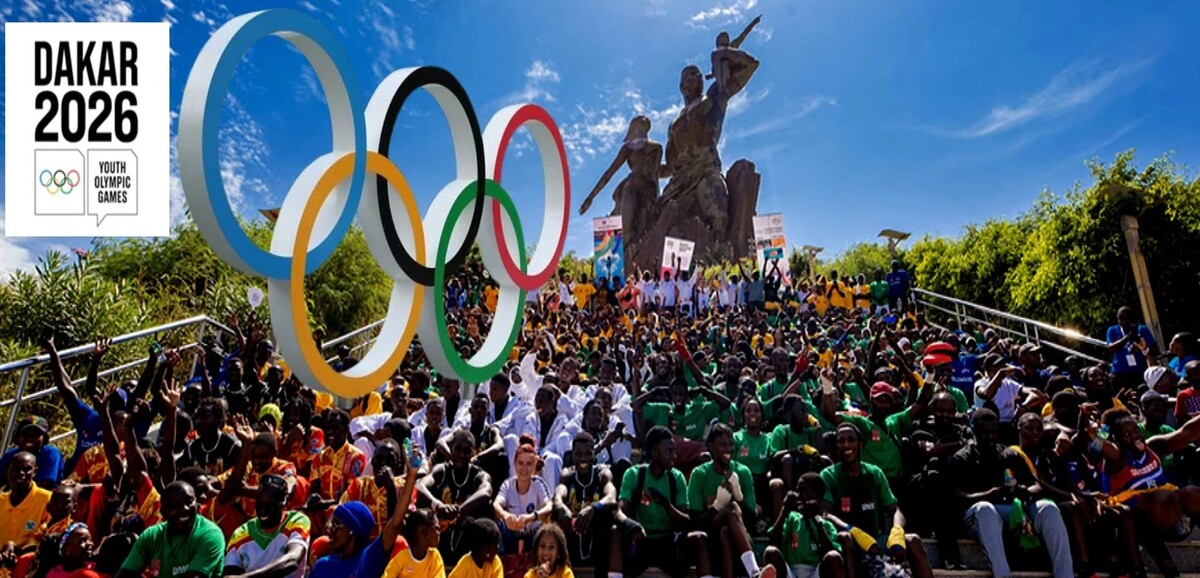
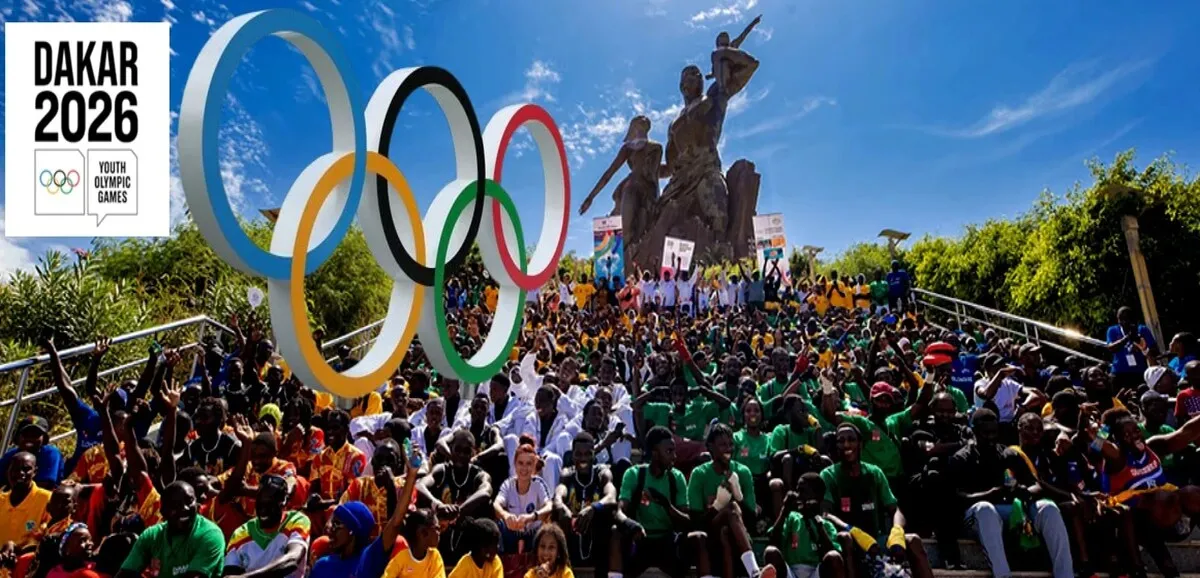
Behind the roar of stadiums and the flash of medals lies a carefully engineered story of why Dakar 2026 isn’t just another sporting event—it’s a calculated launchpad for long-term continental change. Months of behind-the-scenes negotiations, untold infrastructure gambles, and quiet diplomatic shifts have converged to make these Youth Olympic Games the most ambitious African sports experiment to date.
The infrastructure equation: building games that outlive the flame
The real victory for Dakar 2026 won’t be measured in gold, silver, or bronze. It will be judged on how smoothly the venues transition from competition halls to community hubs, from sporting arenas to educational classrooms, and from temporary showpieces to permanent public infrastructure. More than 3.2 billion dollars have been quietly allocated—not just to host a two-week event, but to rewire the connective tissue of Senegal’s urban fabric. Diamniadio’s Olympic Park, the revamped Abdoulaye Wade Stadium, and the Saly beachfront complex weren’t built for show; they were engineered to solve Dakar’s chronic traffic snarls, energy shortages, and youth unemployment simultaneously. The Games are essentially a nationwide job-creation scheme disguised as sport.
Diplomacy on the track: how the youth Olympics are redrawing Africa’s borders
What the public sees are athletes shaking hands and national anthems. What rarely makes headlines is how these youth athletes are acting as roving ambassadors for a new continental narrative. In February 2025, the African Union quietly dropped visas for athletes under 23 starting a process that culminated in Senegal waiving entry barriers for all youth delegations. The move wasn’t philanthropy; it was strategic capital. During the Games, 2,700 under-18 athletes from over 200 nations will cross borders that once stifled mobility, share training tables that once segregated talent, and discover untapped markets that once lay hidden by language or bureaucracy. The Games are quietly dismantling visa walls before the athletes land.
The refugee roster: why one team’s journey reveals the Games’ deeper mission
Among the competing nations sits a team that carries no flag—a squad of refugee athletes trained in Ugandan, Kenyan, and Tanzanian camps, now wearing the Olympic rings instead of national colors. This isn’t symbolic pageantry; it’s a risk-mitigation strategy. Data from past refugee squads show that every dollar invested in their training yields a social return of nearly five dollars through social integration, language acquisition, and eventual employment. The IOC’s gamble isn’t just humanitarian; it’s a financial hedge against the next migration crisis. The Senegalese organizers have pledged to convert this experiment into a permanent refugee sports academy hosted in Diamniadio—a first for West Africa.
The academy will prioritize three low-cost, high-impact sports—athletics, table tennis, and basketball—chosen not for their glamour but because they require minimal equipment and deliver maximum employability through coaching certifications.
Energy transition: when the Olympic torch powers more than medals
Dakar’s energy grid has long been a bottleneck—blackouts and brownouts crippled the city during the 2022 heat waves. Dakar 2026 has flipped the script by powering three major venues with a 5-megawatt solar microgrid that doubles as a living lab. The microgrid, funded by a mix of African Development Bank loans and private green bonds, will supply clean electricity to local households long after the closing ceremony. Senegal’s national electricity utility, Senelec, will use the Games data to accelerate a national renewable rollout—part of a broader plan to cut carbon emissions 30 percent by 2030. The Olympic flame isn’t just a symbol; it’s now a renewable-energy catalyst.
Legacy at the speed of light: why 15 days can reshape a nation
The 15-day window seems fleeting, but organizers have designed a ripple-effect mechanism. Every ticket sold in Diamniadio parks revenue into a “legacies stock” that funds youth sports clubs in underserved Dakar suburbs. Volunteers, numbering nearly 5,000 locals, aren’t just ushering spectators—they’re enrolled in a dual program: full-time study plus part-time community coaching. The Games, in effect, have morphed into a free university for sports administration, with modules delivered by visiting Olympic scholars. The curriculum includes sports medicine, event logistics, and gender-equity coaching—skills that are transferable beyond the Games and that address Senegal’s chronic shortage of female coaches in high-school athletics.
What next? The long-game checklist
Dakar 2026 isn’t a finish line; it’s a checkpoint. Within 18 months, organizers expect to measure three headline targets:
- Urban mobility: 30 percent reduction in intra-city travel time via expanded bus rapid transit
- Youth employment: 12,000 new jobs generated directly or indirectly by sports-industry growth
- Sports GDP: measurable increase in GDP contribution from the sports sector, targeting a 0.8 percent share by 2028
If the numbers align, Dakar 2026 could rewrite the playbook not just for African mega-events, but for how continents use sporting spectacles to engineer social change without a single shot being fired.