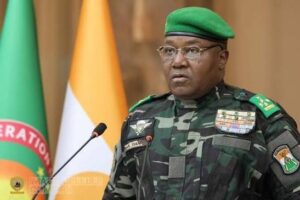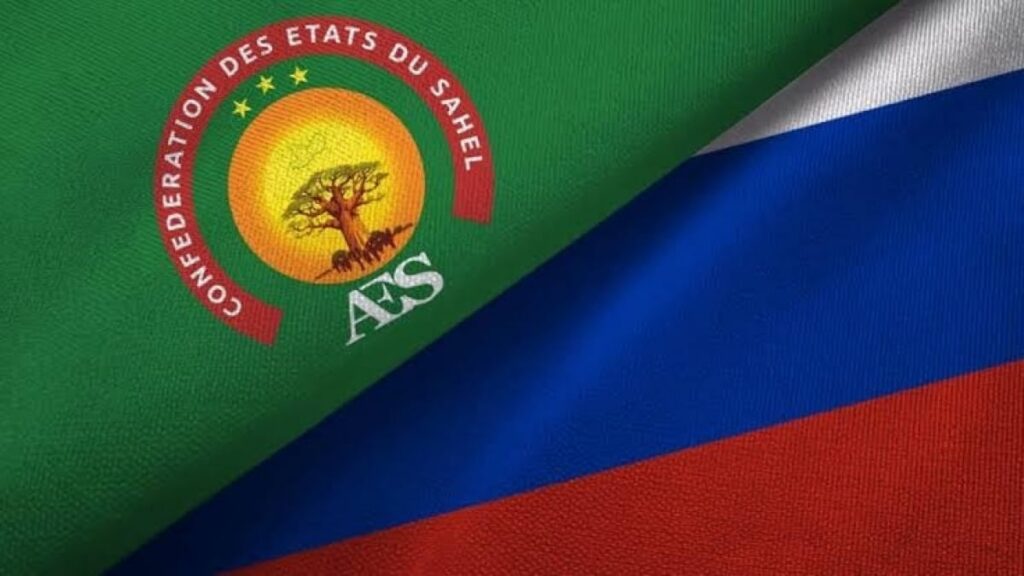
Russia is deepening its military and security partnerships with the Alliance of Sahel States (AES), a coalition formed by Mali, Burkina Faso, and Niger. This strategic collaboration was highlighted during a high-level meeting in Niamey, Niger, where Russian Foreign Minister Sergey Lavrov and representatives of the AES outlined a roadmap to bolster defense cooperation.
The agreement focuses on enhancing joint efforts to combat extremist violence and address the persistent security challenges plaguing the Sahel region. Both sides emphasized the urgency of strengthening regional stability through coordinated military action and capacity-building initiatives.
Why Russia’s expanding influence matters in the Sahel
The deepening ties between Russia and the AES signal a significant shift in the geopolitical landscape of West Africa. Over the past few years, Mali, Burkina Faso, and Niger have distanced themselves from traditional Western allies, including France, in favor of alternative partnerships. This realignment reflects a broader trend of redefining regional security dynamics and seeking new forms of collaboration.
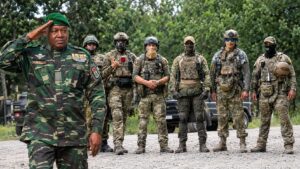
Moscow’s growing engagement in the Sahel is not limited to diplomatic overtures. The Russian Ministry of Defense has deployed the Russian Army Corps in Africa, a dedicated force designed to replace the former Wagner Group’s operations in several African nations. This move underscores Russia’s commitment to establishing a long-term military presence in the region.
Challenges and long-term implications for the Sahel
While military support from Russia may provide a temporary boost in counterterrorism efforts, experts warn that it does not address the root causes of instability in the Sahel. Key issues such as poor governance, economic disparities, climate change, resource competition, and the proliferation of armed groups continue to fuel insecurity.
The AES, officially launched in late 2023 as a mutual defense pact, has since evolved into a broader alliance aimed at political, economic, and military integration. In early 2025, the three member states withdrew from the Economic Community of West African States (ECOWAS) and unveiled plans to establish a joint military force of approximately 5,000 troops. This force is intended to enhance regional counterterrorism operations and border protection.
As Russia’s influence in the Sahel continues to grow, the implications for regional security and international relations remain a subject of intense scrutiny. The evolving dynamics between Moscow and the AES could redefine the balance of power in West Africa, with far-reaching consequences for both local populations and global stakeholders.