The driving forces behind Togo’s deepening ties with Russia
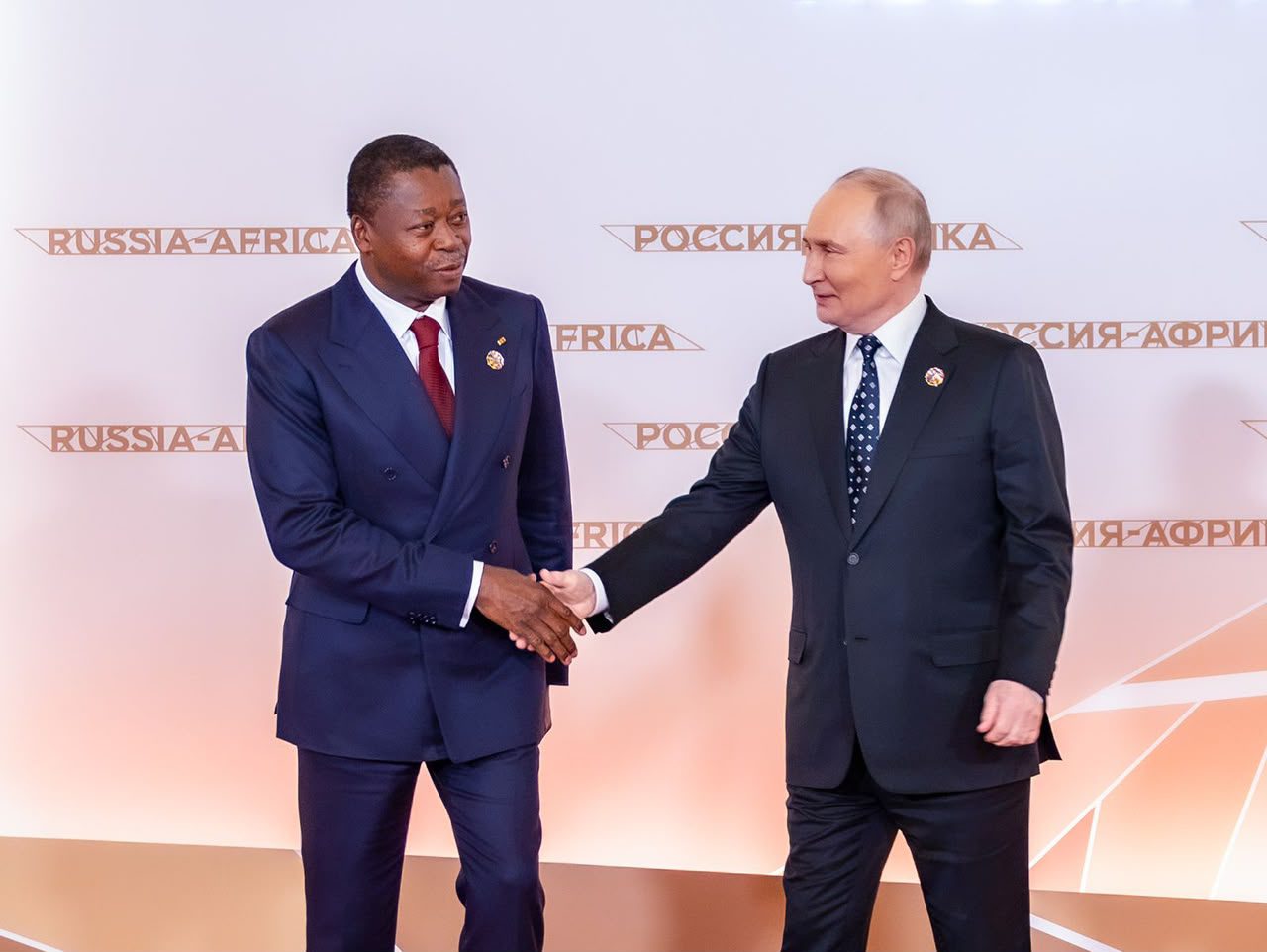
Behind the scenes at the third Russia-Africa Economic and Humanitarian Forum, held in Moscow on October 28, 2026, lay a carefully calibrated strategy by the Togolese government. President Faure Essozimna Gnassingbé’s attendance was not merely symbolic; it was designed to unlock new cooperation channels in energy, agriculture, industrial processing, and technical training. The goal is clear: align international partnerships with domestic priorities and secure tangible benefits for Togolese citizens.
Beyond rhetoric: turning vision into actionable projects
While the Forum’s speeches emphasized balanced cooperation and mutual respect, the focus has now shifted to execution. The Togo-Russia Intergovernmental Joint Commission will serve as the operational backbone to transform commitments into concrete initiatives. Key sectors identified—energy diversification, agricultural modernization, industrial transformation, and STEM education—demand not just political will but also viable funding models and technical expertise. Success hinges on the government’s ability to streamline project pipelines and mobilize both domestic and Russian resources efficiently.
What Lomé seeks in Moscow’s technology showcase
During his visit to an exhibition of Russian innovations, President Gnassingbé examined solutions in digital payments, renewable energy, and agri-tech. These fields were not chosen at random; they directly address Togo’s most pressing developmental gaps. The exhibition served as a reality check, allowing policymakers to assess which technologies could be adapted to local contexts without creating new dependencies. The President’s engagement signals a pragmatic approach: import solutions only if they enhance national sovereignty and long-term resilience.
A continental consensus on equitable partnership models
The Forum also underscored a growing African consensus, championed by sitting African Union Chair Évariste Ndayishimiye. The emphasis is on productive investment over aid, technology transfer over extraction, and inclusive decision-making rather than top-down directives. Togo’s alignment with this stance reflects its broader ambition: to elevate Africa’s voice in global forums and secure partnerships that foster self-reliance. The Moscow trip thus becomes a microcosm of Lomé’s wider strategy to rebalance its international portfolio while reinforcing regional leadership.
What happens next: from commitments to deliverables
The real test begins now. Bilateral mechanisms are in place, but their effectiveness will be measured by the number of operational projects signed in the coming 12 to 18 months. Technical working groups must draft feasibility studies, secure financing—potentially from Russian development banks or private investors—and align timelines with Togo’s National Development Plan. If successful, these partnerships will not only modernize Togo’s infrastructure but also serve as templates for similar arrangements across West Africa. The Moscow forum set the stage; the next act belongs to planners, engineers, and diplomats in Lomé and Moscow alike.