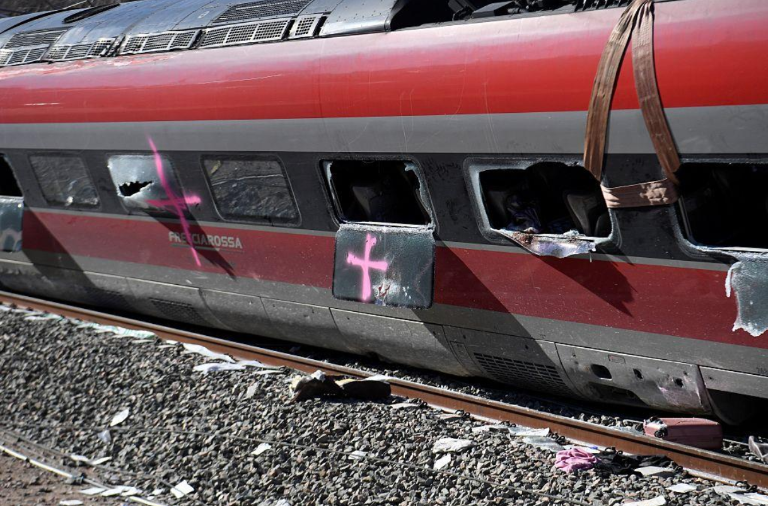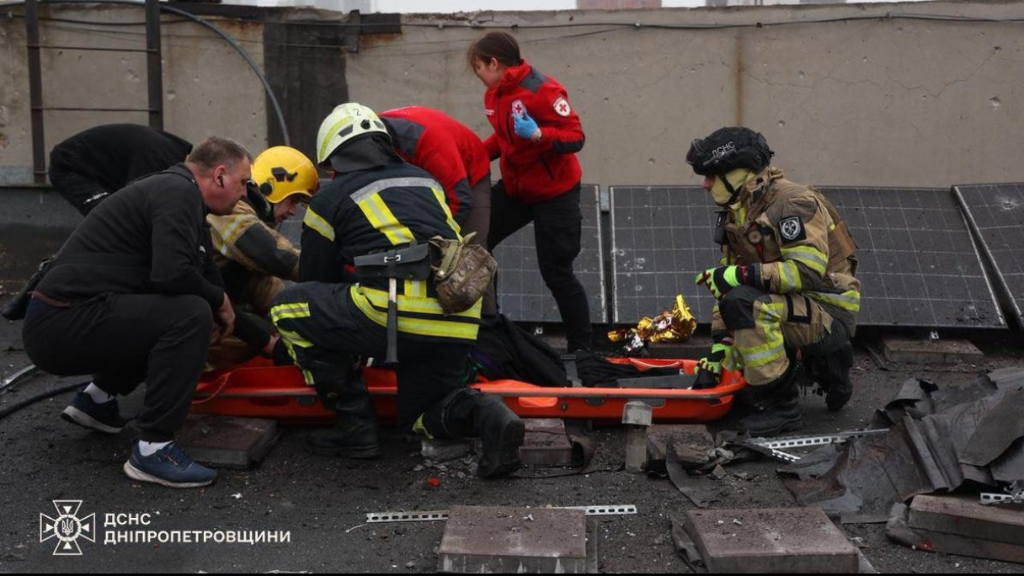
The heart of Dnipro’s railway network became the target of a devastating Russian drone attack on October 29, 2026, resulting in at least thirteen fatalities and escalating public outrage. The strike occurred during a busy morning, disrupting daily life and leaving families shattered. Investigations are now underway to determine whether this attack was a deliberate strike on a civilian hub or a tragic miscalculation under wartime conditions.
Dnipro attack: A crowded station becomes a death trap
The strike on the Dnipro railway platform occurred as passengers prepared to board a train heading toward Zaporizhzhia. Local authorities confirmed that thirteen people were killed, while emergency teams worked frantically to assist the wounded. The attack raises serious concerns about how civilians can be protected when even routine travel has become a gamble.
The Ukrainian railway operator, Ukrzaliznytsia, confirmed that a passenger train was present during the strike, amplifying the tragedy. Ukrainian President Volodymyr Zelensky swiftly condemned the attack, calling it an “unacceptable violation” of civilian safety in wartime. Mayor Borys Filatov of Dnipro described the scene as a “bloodbath,” emphasizing the indiscriminate nature of the strike.
Railways as military targets: The shifting battlefield
Since Russia’s full-scale invasion in 2022, Ukraine’s rail network has been both a lifeline and a potential target. With over 1,000 civilian and military passengers boarding trains daily, railway stations have become critical infrastructure. The Dnipro strike demonstrates how easily these public spaces can be turned into battlegrounds, disrupting evacuation efforts and trapping civilians.
Despite air raid warnings issued before the strike, the high foot traffic and last-minute boarding left dozens vulnerable. The Ukrainian railway authority acknowledged that rapid response systems are stretched thin, struggling to evacuate civilians amid frequent drone and missile threats.
Drones as weapons of war: A growing security challenge
The use of drones in this conflict has reached unprecedented levels, with Russian forces increasingly relying on jet-powered models for precision strikes. Unlike traditional propeller drones, these high-speed aircraft are harder to detect and intercept, posing a persistent threat to both military and civilian targets.
Military analysts suggest that Dnipro may have been struck due to its proximity to frontline regions, though the exact motive remains unclear. The Ukrainian defense ministry has announced an investigation, with preliminary reports indicating that the drone evaded radar before detonating over the platform. Such incidents highlight the need for enhanced counter-drone technology to shield vital infrastructure.
International response and domestic pressure mount
In the wake of the attack, Ukrainian leaders have intensified calls for stronger Western military support, including advanced air defense systems. President Zelensky’s office stated that Moscow’s escalation demands a “firm and unified response” from allies, warning that civilian infrastructure should no longer be treated as fair game.
Meanwhile, Ukrainian civil society groups have organized protests outside city halls, demanding better protection for public transit. Survivors and relatives of the victims have spoken of the trauma, with many refusing to use trains until authorities guarantee their safety. The psychological impact of such attacks lingers long after the initial shock.
What’s next? Ukraine braces for escalation
The Dnipro attack has sparked a national debate on how to balance wartime needs with civilian protection. While the government has pledged to reinforce railway security with additional checkpoints and surveillance, experts question whether these measures will suffice against growing drone threats.
The investigation into the strike is ongoing, with early theories suggesting either a misidentification of the target or a deliberate strike on a strategically valuable but densely populated location. One thing, however, is clear: the people of Ukraine will continue to endure the consequences of this war, one rail station at a time.