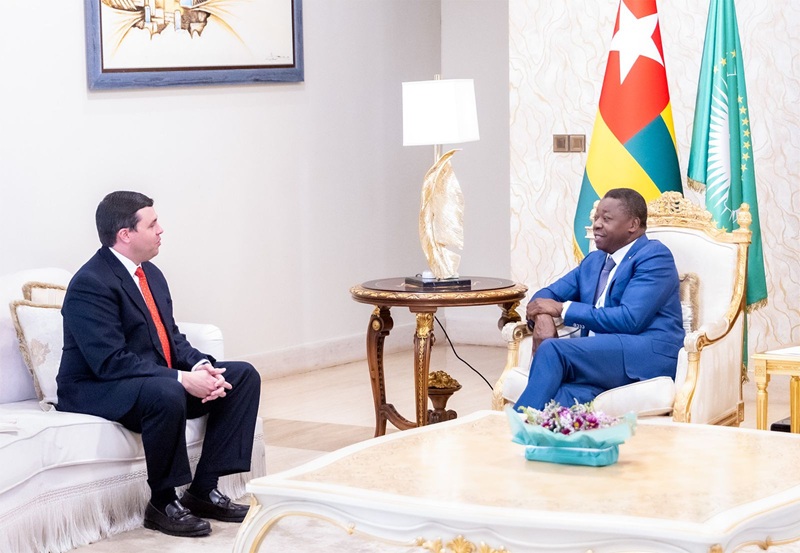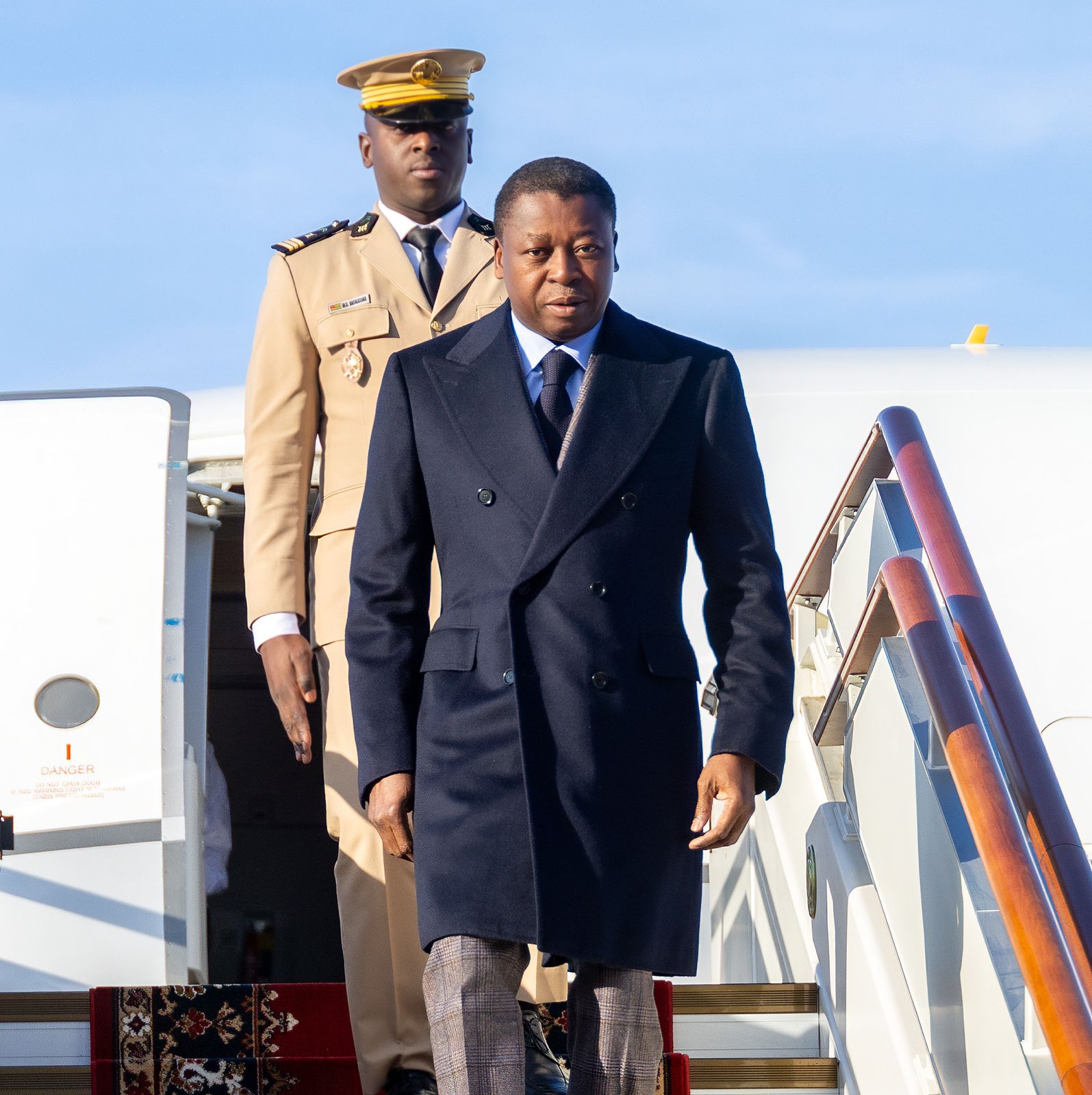
In a move signaling deeper engagement with global partners, Togolese leader Faure Gnassingbé is traveling to Moscow this October for the 2026 Russia-Africa Summit. The invitation from Russian President Vladimir Putin places Togo at the forefront of a diplomatic push reshaping the continent’s economic landscape.
The strategic timing behind Faure Gnassingbé’s Moscow visit
Scheduled for Wednesday, October 28, 2026, this year’s summit follows previous editions in Sochi (2019) and Saint Petersburg (2023), but stands out for its emphasis on measurable outcomes. Unlike earlier gatherings focused on declarations, this edition is structured around concrete partnership agreements and investment roadmaps tailored to African priorities.
For Togo, the timing isn’t accidental. The president’s participation coincides with heightened bilateral cooperation, evidenced by last month’s first Togo-Russia Joint Commission meeting in Lomé—a direct follow-up to Gnassingbé’s official visit to Moscow in November 2025. These interactions reveal a deliberate strategy: transforming diplomatic goodwill into tangible projects that support national development goals.
Key sectors Togo aims to unlock during the summit
The Togolese delegation arrives with a clear agenda, centered on four pillars where Russian expertise and funding could prove decisive:
- Food security: Leveraging Russian agricultural technology and grain supplies to reduce import dependencies and stabilize domestic prices.
- Agricultural inputs: Securing fertilizers and machinery to boost local production and meet the ECOWAS regional demand surge.
- Energy diversification: Exploring partnerships in renewable energy—particularly solar and hydro—as Togo seeks to cut reliance on fossil fuel imports and accelerate its green transition agenda.
- Youth upskilling: Accessing Russian vocational training programs and digital education initiatives to prepare the next generation for high-tech industries.
Lomé’s vision: positioning itself as Africa’s gateway
Beyond immediate deals, the Togolese government is using the summit to reinforce its role as a logistics and trade hub. With the deep-water port of Lomé already handling a significant share of West African maritime traffic, officials plan to present updated infrastructure data and concession opportunities to potential investors.
This strategic positioning aligns with the National Development Plan 2025-2029, which identifies enhanced trade corridors and industrial parks as lynchpins for economic growth. By highlighting its container terminals, free zones, and ongoing port expansions, Togo aims to position itself not just as a transit point, but as a value-added processing center for goods flowing between Europe, Asia, and West Africa.
What to watch during the three-day summit
The Moscow event is structured around six thematic clusters, four of which directly impact African nations:
- Mining and rare earths: African countries, Togo included, will push for joint ventures ensuring equitable benefit-sharing from critical mineral extraction.
- Technology transfer: Debates on how partnerships can accelerate digital transformation across key sectors, from agriculture to finance.
- Regional stability: Security cooperation discussions that may influence Togo’s ongoing efforts to curb cross-border trafficking and insurgency threats.
- Climate adaptation funding: New financial mechanisms to support African countries adapting to extreme weather patterns, a priority highlighted in Togo’s climate action roadmap.
The summit’s final communiqué is expected to include a dedicated Togo-Russia action plan, outlining timelines and accountability measures for each commitment. Analysts anticipate announcements related to grain imports, solar farm projects, and port infrastructure upgrades—all aimed at reducing Togo’s trade deficit while creating high-value jobs.
The bigger picture: Togo’s evolving foreign policy calculus
Gnassingbé’s attendance underscores a broader recalibration in Togo’s international relations. While maintaining traditional ties with Europe and neighboring African nations, Lomé is increasingly diversifying partners to mitigate risks tied to global supply chain disruptions and geopolitical volatility.
This Moscow visit comes at a critical junction. With global commodity prices fluctuating and foreign direct investment shifting toward emerging markets, Togo’s proactive stance demonstrates how smaller nations can leverage multilateral forums to secure strategic advantages. The outcomes of this summit may well set the tone for the next phase of Togo-Russia economic cooperation—and potentially inspire similar approaches across Francophone West Africa.