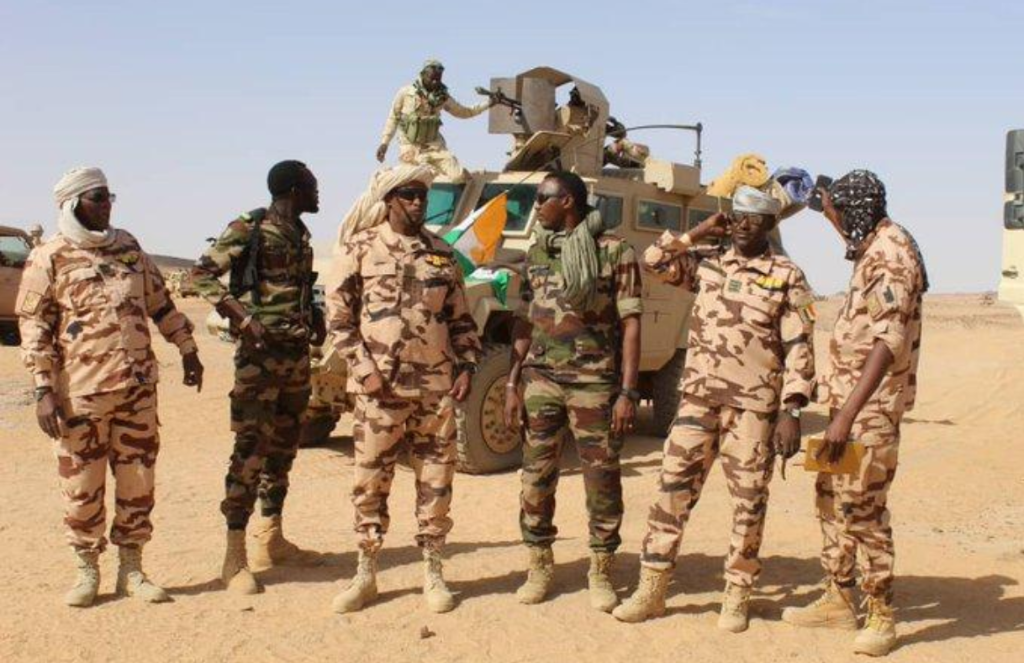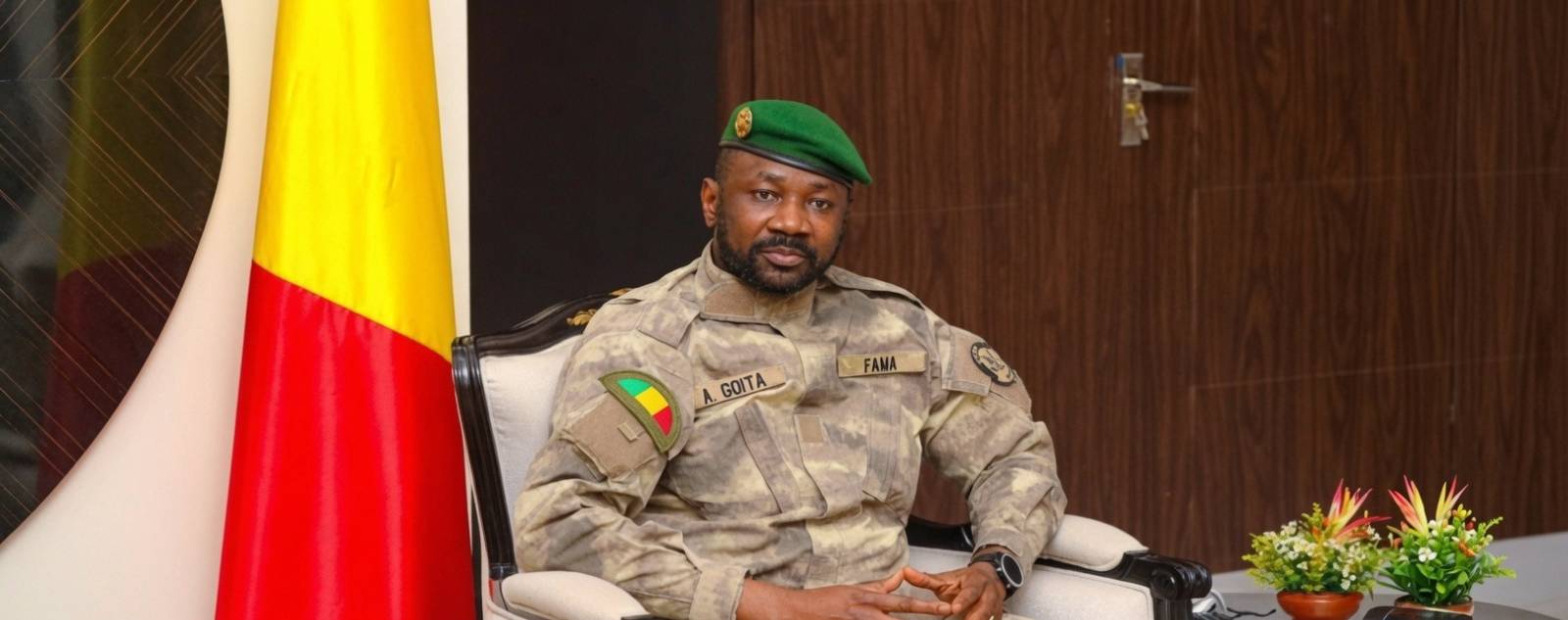
The promise of Mali’s military transition was simple on paper: reclaim control. Yet beneath the bold statements and renewed calls for sovereignty, a darker narrative is unfolding. As Malian forces and their Russian-backed Africa Corps allies pursue armed groups, international humanitarian laws are being trampled underfoot. What was intended as a fight for security has morphed into a cycle of violence, where civilians pay the heaviest price—and the insurgency only grows stronger.
Broken promises and ignored legal safeguards
Mali’s legal obligations are clear and longstanding. Ratified in 1965, the Geneva Conventions and their 1989 Additional Protocols—which specifically apply to non-international armed conflicts—require the protection of civilians and the humane treatment of detainees. Past military leadership even mandated human rights training in training camps. But today, the gap between official doctrine and battlefield reality has widened into a chasm. What were once isolated abuses now define a deliberate strategy: brute force displacing strategy. Civilians, especially in the central and northern regions, bear the brunt of this approach.
A mounting toll on civilians: documented patterns of abuse
Evidence compiled by human rights monitors paints a grim picture. Reports detail extrajudicial killings, systematic looting, and entire villages reduced to ashes. Survivors from Fulani communities speak of arbitrary arrests, torture through methods like waterboarding and electric shock, and enforced disappearances—all linked directly to state security operations and their allied forces. These patterns are no longer sporadic; they are systemic, mirroring the very crimes that international law was designed to prevent.
Local leaders describe a growing climate of fear, where families hesitate to leave homes for fear of being caught in crossfire or subjected to reprisals. The humanitarian toll is not just a byproduct of war—it is now a key weapon in the state’s counterterrorism arsenal.
The vacuum left by UN withdrawal
The abrupt expulsion of the UN peacekeeping mission (MINUSMA) in late 2023 was framed as a step toward sovereignty. But it also extinguished the last independent eyes on the ground. With international monitors gone, allegations of abuse surged the following year—suggesting a direct correlation between the absence of oversight and the rise in violations. Local NGOs, working from afar, document incidents but lack the means to protect victims or call for accountability in real time.
Without verification or access, the junta operates with near-total impunity. The message is clear: when the world stops watching, atrocities escalate unimpeded.
Diplomatic failure and shattered accountability
Justice for victims has effectively vanished. Mali’s recent withdrawal from the International Criminal Court (ICC) removes a global venue for redress, while a judiciary under military influence serves more as a shield than a court. Regional bodies offer little hope: the African Union issues cautious statements, and the Economic Community of West African States (ECOWAS) focuses narrowly on constitutional compliance. Neither has meaningfully challenged Bamako’s military-first approach.
The result? A complete breakdown in moral and legal deterrence. No one is held to account. No one is deterred. And the cycle of violence continues unchecked.
From repression to recruitment: the insurgency’s cruel irony
By abandoning restraint and violating core humanitarian norms, the Malian state is playing into the hands of the very groups it claims to fight. Each act of collective punishment, each burned village, fuels the narrative of state oppression. For young men in rural areas, joining an armed group is no longer a last resort—it is a perceived act of resistance against a government that has abandoned its people.
The junta’s gamble—eradicating terror through terror—is backfiring. Instead of weakening extremism, it is radicalizing communities and accelerating recruitment. The more the state betrays its own citizens, the more it erodes its own legitimacy. In the end, Mali may reclaim territory, but it risks losing the very thing that defines a state: the trust of its people.
As the world turns away, the writing on the wall grows clearer: a military that rules through fear is not building peace. It is building a deeper crisis.
Voices from the ground: communities at the crossroads
- Local elders in Mopti: “We are not with the terrorists, but we are not with the army either. They treat us like enemies.”
- A displaced teacher in Gao: “The school was burned down during a raid. My students are now scattered between camps and unknown places. Where is the justice for them?”
- A Fulani community leader: “We want peace, but peace must include us—not erase us.”