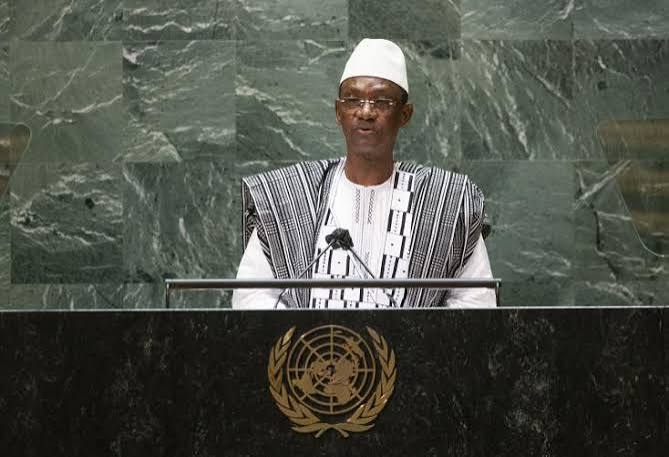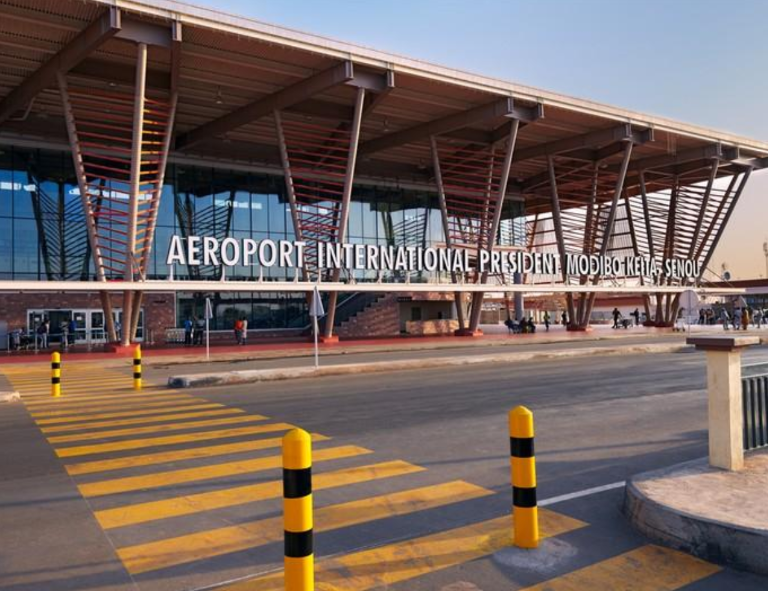
In a dramatic twist for Mali’s land governance, former Bamako district mayor Adama Sangaré has been handed a decade-long prison sentence for his role in a controversial real estate scandal around Bamako-Sénou airport. The high-profile case has ignited fierce public debate over whether the conviction exposes systemic flaws in land management or unfairly targets local leaders caught in bureaucratic gray zones.
Legal fireworks: defense challenges both facts and jurisdiction
The trial concluded with a dramatic verdict, but the legal battle is far from over. Adama Sangaré’s legal team has vowed to appeal, arguing that the allegations of land subdivision and irregular allocations should have been handled as administrative disputes rather than criminal offenses. The defense mounted a multi-pronged challenge, attacking the legal qualification of the charges, the court’s authority to hear the case, and the application of relevant laws.
Was it a crime or administrative error?
Central to the defense’s strategy is the assertion that Sangaré’s decisions fell squarely within the scope of municipal authority. His lawyers contend that any irregularities in lot creation and parcel allocation should be reviewed under administrative law, not penal code. They further argue that previous Supreme Court rulings support this interpretation, though the presiding judges rejected these procedural objections at the outset.
Presidential links: a political or legal defense?
Another explosive claim emerged during testimony: Sangaré maintained he acted on verbal instructions from former President Ibrahim Boubacar Keïta, now deceased, asserting the land deals were part of national reconciliation efforts targeting northern Malians. While this narrative frames the actions within a broader political context, prosecutors dismissed it as irrelevant to the legal merits of the case.
Financial ripple effects: millions at stake
Beyond the criminal allegations, the prosecution highlighted significant financial damages. The court ordered collective payment of 483.964 million FCFA for demolition costs and 50 million FCFA in damages to the state. Sangaré countered that fee waivers for certain beneficiaries fell within his prerogatives, and he denied involvement in fund mismanagement, shifting responsibility to state agencies—arguments the tribunal ultimately rejected.
Co-defendants pay the price
The fallout extends beyond Sangaré. Former deputy prefects Daha Keïta and Ibrahim Koïta each received a decade of hard labor, while Adam Aïché Traoré, Fatouma Samassékou, and Bourama Komagara were sentenced to ten years—five suspended. Most notably, former Commune VI mayor Souleymane Dagnon, tried in absentia, received twenty years and is now the subject of an arrest warrant. Only Sékou Keïta walked free.
What’s next? The appeal battle looms
With appeals filed, the next chapter will test Mali’s judicial system’s ability to navigate complex land disputes. The case spotlights the blurred line between administrative discretion and criminal conduct, raising urgent questions about transparency, accountability, and whether local leaders can be held criminally liable for policy decisions gone awry. As the legal dust settles, public scrutiny intensifies: will this verdict set a precedent for future land governance—or will the appeal rewrite the story?