Mali has entered uncharted territory. Exactly 440 days have passed since Choguel Kokalla Maïga was placed behind bars on remand—more than 14 months of solitary confinement for the man who once served as the junta’s most vocal architect. The prolonged detention, without a final verdict, is not just a personal tragedy; it is a stark reflection of the transition’s authoritarian drift and the fragility of power alliances in Bamako.
The fall of a revolutionary symbol
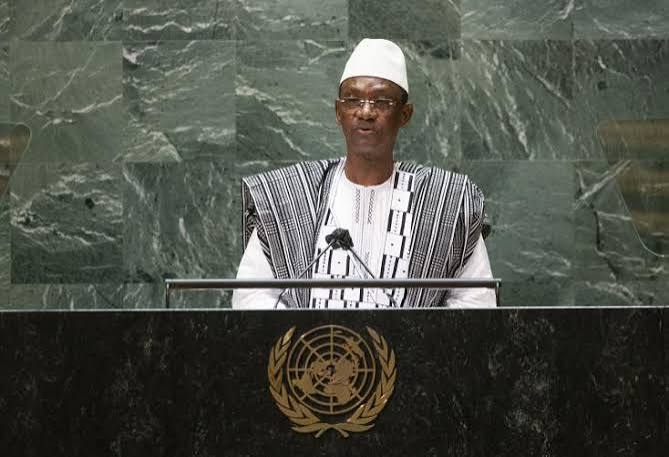
Choguel Maïga was no ordinary political figure. Once the loudest champion of Mali’s military leadership, he stood on global stages, championing the doctrine of ‘reclaimed sovereignty’ and defending every strategic pivot of Bamako’s ruling regime. His voice gave ideological weight to the junta’s decisions and served as a bridge between civilian and military factions. But loyalty, no matter how steadfast, has its limits in a system that tolerates dissent only when it aligns with power.
When Maïga began to voice subtle disagreements or assert his own political vision, the machinery of control turned against him. His rapid downfall and subsequent imprisonment sent a chilling message: in today’s Mali, even the architects of the transition are disposable if they stray from the official script.
The justice system weaponized
The 440-day mark is more than a statistic—it is a condemnation of Mali’s legal system. By stretching provisional detention to unprecedented lengths, the authorities have transformed the judicial process into a tool of political neutralization. The message is clear: justice is not blind, nor is it fair. It is a mechanism of exclusion, reserved for those who challenge the status quo.
This approach exposes glaring contradictions:
- Institutional hypocrisy: While Bamako’s leadership claims to rebuild institutions and end impunity, its reliance on prolonged detentions reveals a preference for arbitrariness over due process when dealing with inconvenient figures.
- From architect to victim: Maïga’s plight is the ultimate irony. The man who helped legitimize and expand the junta’s legal and security frameworks now finds himself crushed by the very systems he once defended.
- A warning to politicians: His incarceration serves as a blunt warning to Mali’s political class. Service to the regime offers no protection. Today’s loyalist could be tomorrow’s prisoner if they dare to question the line.
What comes next for Mali’s struggling transition
The decision to keep Choguel Maïga in detention for over a year is not just about silencing one man. It is about sealing the fate of civilian ambitions within the transitional government. By resorting to endless imprisonment, Bamako is choosing silence over debate, control over transparency. Observers warn that this strategy will deepen the country’s isolation and undermine its claims of democratic restoration.
These 440 days are a symptom of a regime trapped in a cycle of purges, consuming its own founders to preserve the illusion of absolute authority. But as the junta tightens its grip, the question remains: how long can Mali sustain a transition that prioritizes imprisonment over open dialogue?
The public debate intensifies
Maïga’s detention has ignited a fierce debate across Mali and beyond. Critics argue that his prolonged imprisonment without trial is a violation of fundamental rights and a betrayal of the principles the junta claims to uphold. Supporters, however, see it as an inevitable consequence of his alleged attempts to destabilize the transition. Regardless of perspective, one truth is undeniable: the fallout from this case will shape Mali’s political landscape for years to come.
As the countdown continues, the world watches. Will Mali’s transition evolve into a sustainable democracy, or will it remain shackled by the same authoritarian instincts that have long defined its leadership? The answer may lie in the next chapter of Choguel Maïga’s story—or in the choices Bamako makes in the months ahead.