As accusations of a cross-border strike from Chad into Niger continue to swirl, N’Djamena has taken an uncompromising stance, categorically rejecting any involvement in the alleged incident. The government is not only demanding concrete proof from Nigerien authorities but also warning that unproven claims risk poisoning already fragile regional stability.
N’Djamena fires back with categorical denial
Chad’s government has dismissed claims that its forces carried out or supported a strike on Niger as baseless and inflammatory. Through its official spokesperson, Minister Gassim Chérif Mahamat, N’Djamena has made it clear that such grave allegations require verifiable evidence—not speculative assertions—to be taken seriously. The minister’s statement underscores a refusal to entertain accusations that have yet to be substantiated by tangible data or credible witnesses.
Demand for transparency: where is the proof?
The Chadian administration insists that Nigerien officials must disclose the technical and material evidence they claim to possess. Without public access to these alleged facts, N’Djamena argues, the accusations lack credibility and only serve to deepen mistrust between the two neighbors. The demand centers on three key questions: what exactly is the evidence, how reliable are the sources, and what actions do these claims justify?
In a climate where misinformation can ignite diplomatic crises, Chad is calling for an objective examination of the facts rather than allowing unverified claims to dictate the narrative. So far, however, neither side has provided independent verification of the circumstances surrounding the alleged strike, leaving analysts and officials alike in the dark.
Rebel groups at the heart of a long-standing dispute
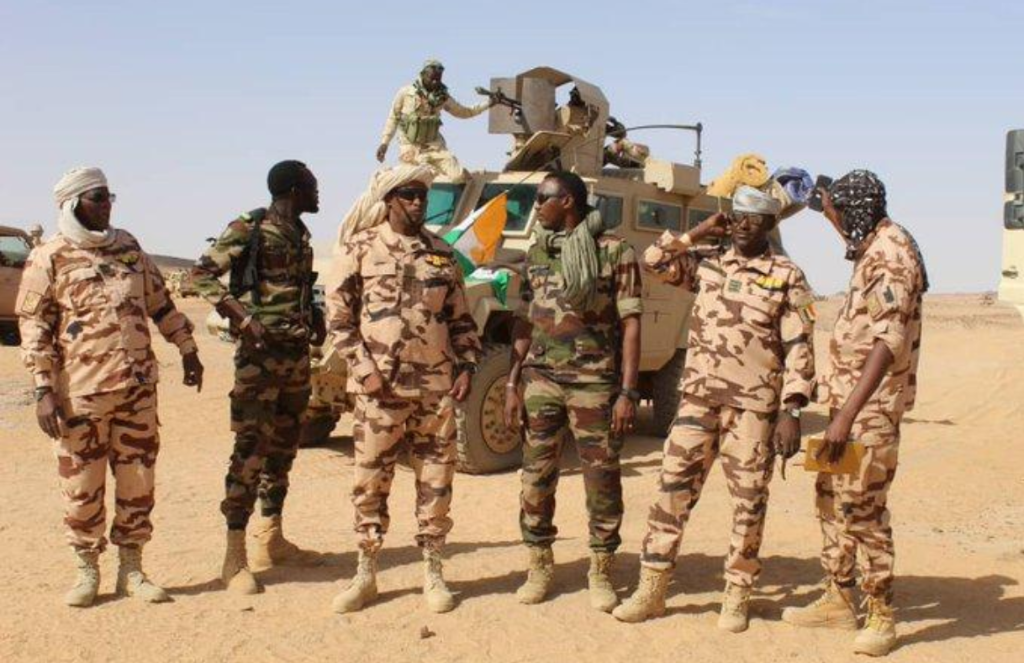
Beyond the immediate allegations, Chad has raised a recurring security concern: the presence of armed Chadian rebel factions operating from Nigerien territory. According to N’Djamena, it has repeatedly alerted Niamey over the past four years about these groups, which it says pose a direct threat to regional security. These warnings, the government argues, have been met with minimal response, further complicating efforts to address cross-border threats.
While Chad’s repeated appeals highlight its proactive stance on security, they also underscore the delicate balance between diplomatic dialogue and public accusations. Without concrete proof linking these rebel factions to any strike, the claims remain speculative—and easily dismissed as political maneuvering by skeptics.
Diplomatic tensions rise as both sides dig in their heels
The standoff between Chad and Niger is not just about a single disputed incident. It reflects deeper anxieties over transparency, accountability, and the consequences of unchecked allegations in a region already grappling with militant activity. For Chad, the priority is twofold: rejecting unfounded claims while pushing for a fact-based resolution to prevent further destabilization.
As both governments navigate this high-stakes exchange, the ball is now in Niger’s court. Will it provide the evidence it insists exists? And can Chad and Niger find a way to reconcile their competing narratives before suspicions harden into lasting rifts? The answers will shape not only their bilateral relations but also the broader security landscape of West Africa.