Behind the scenes: why Senegal’s 2026 budget bill faced an unexpected delay in parliament
The planned vote on Senegal’s 2026 Supplementary Finance Bill (PLFR) was abruptly postponed Tuesday in the National Assembly after the Finance Minister personally requested further review. This unprecedented delay wasn’t just procedural—it revealed deeper institutional tensions and strategic calculations behind the government’s approach to fiscal policy.
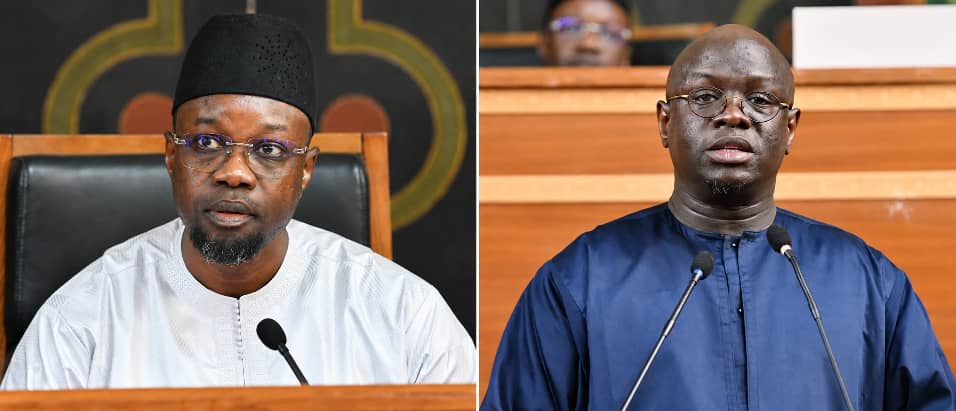
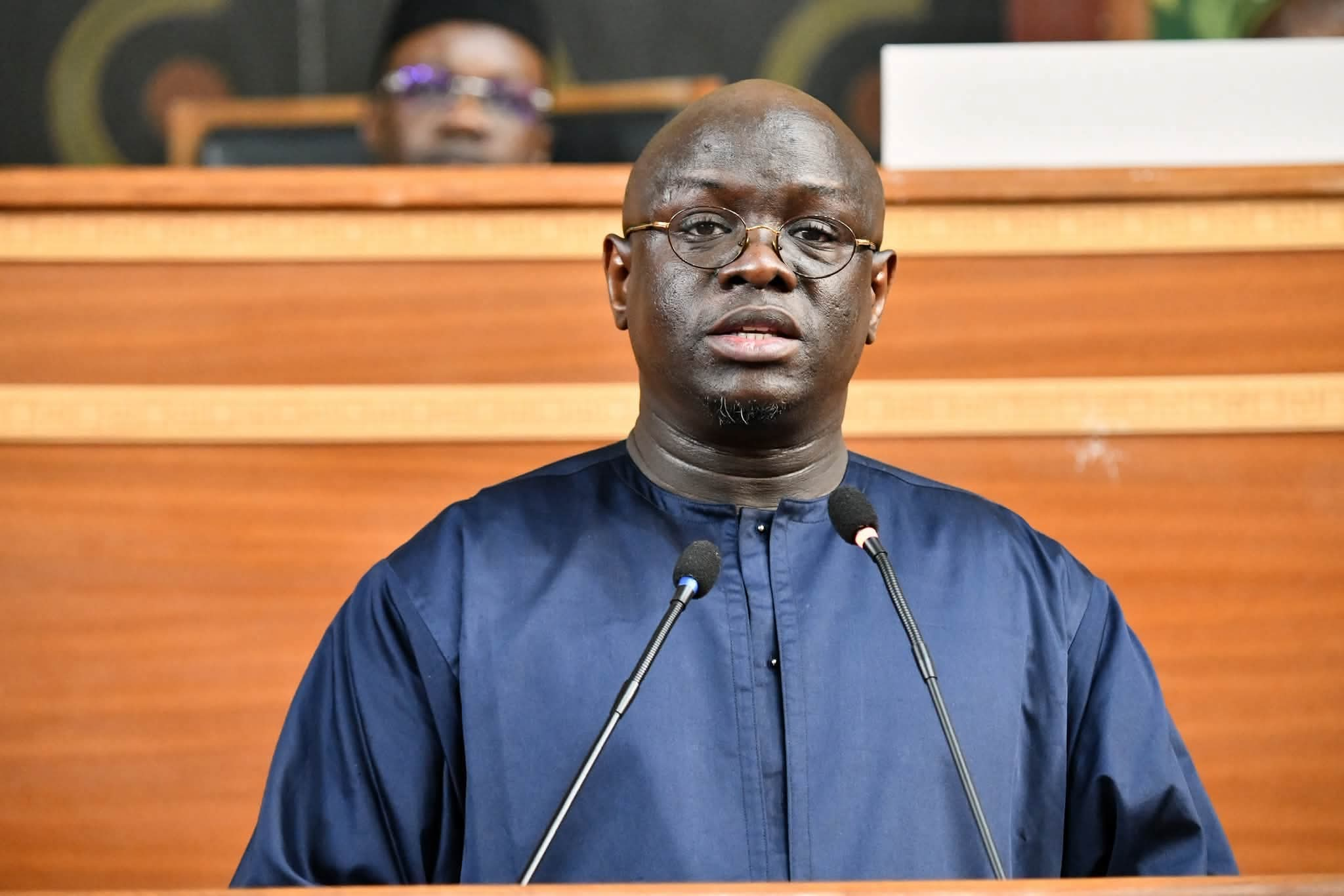
The unexpected turn of events unfolded when Finance Minister Cheikh Diba invoked Article 84 of the National Assembly’s internal rules, formally requesting that the bill be sent back to the Finance and Budget Control Committee for additional deliberations. What began as a routine legislative process quickly transformed into a high-stakes negotiation over fiscal priorities and institutional prerogatives.
What triggered the extraordinary parliamentary maneuver?
The Finance Minister’s decision to reroute the 2026 PLFR into committee review was not made in isolation. It followed intense closed-door negotiations between government officials and committee members, where fundamental disagreements emerged over key budget allocations.
- Some lawmakers argued for greater investment in public infrastructure to stimulate economic growth
- Others pushed for tax relief measures to support struggling small businesses
- A third group advocated for increased social spending to address rising living costs
In response, Minister Diba emphasized the government’s commitment to “finding common ground through constructive dialogue rather than rushed legislative action.” This strategic pause in proceedings effectively reset the legislative timetable and created space for renewed negotiations.
The institutional chess game behind the delay
The decision to reroute the bill wasn’t merely a technicality—it represented a calculated move to reshape the legislative landscape. National Assembly President Ousmane Sonko acknowledged the request and announced an emergency meeting of the Presidents’ Conference to establish a new work schedule.
This institutional maneuver highlighted several critical dynamics:
- Executive-legislative tension: The government’s proactive move demonstrated a willingness to use constitutional tools to steer the process
- Committee power dynamics: The Finance Committee’s strengthened role in shaping fiscal policy became more apparent
- Public accountability: By requesting additional deliberation, the government signaled responsiveness to parliamentary concerns
Parliamentary observers noted that this approach could set a precedent for future budgetary debates, potentially redefining the balance of power between the executive and legislative branches.
What happens next in Senegal’s fiscal policy timeline?
With the bill now under secondary review, several key developments are expected in the coming weeks:
1. Structured negotiations resume
The Finance and Budget Control Committee will conduct targeted hearings with relevant stakeholders, including:
- Economic analysts
- Private sector representatives
- Civil society organizations
2. Revised fiscal framework emerges
The committee will likely propose amendments focused on:
- Balancing short-term economic stimulus with long-term fiscal sustainability
- Incorporating feedback from multiple parliamentary groups
- Aligning allocations with national development priorities
3. New parliamentary calendar takes shape
The Presidents’ Conference will determine the revised timeline for subsequent readings, with potential outcomes including:
- Substantive amendments to the original bill
- Additional expert testimony
- Final adoption before year-end
This unexpected delay, far from being a mere bureaucratic hiccup, has opened a crucial window for more inclusive and thoughtful fiscal policymaking. The government’s decision to prioritize dialogue over immediate passage reflects a growing recognition that robust economic governance requires broad consensus rather than top-down imposition.
The saga of Senegal’s 2026 Supplementary Finance Bill has become more than a legislative footnote. It now stands as a case study in how institutional mechanisms can be used to foster more inclusive policymaking—or, conversely, how delays in critical policy processes can expose underlying power struggles within government.
The coming weeks will reveal whether this strategic pause leads to more robust fiscal governance or becomes another example of parliamentary gridlock. One thing is certain: Senegal’s economic future is being shaped not just by budget numbers, but by the very institutions tasked with overseeing them.