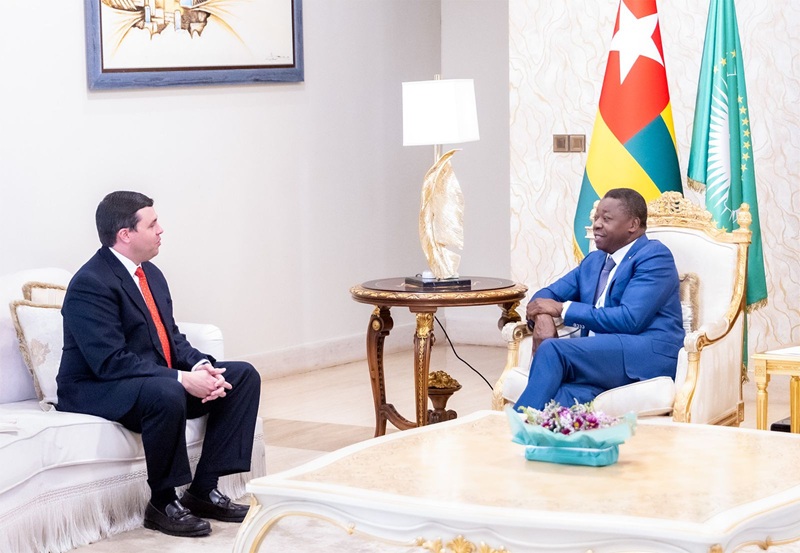
The upcoming third Russia-Africa Summit in Moscow on October 28, 2026, is set to become a pivotal moment for Togo as it finalizes its diplomatic preparations behind closed doors. President Faure Essozimna Gnassingbé’s participation follows a year of accelerated collaboration between Lomé and Moscow, with both nations eager to turn discussions into tangible economic and political alignment.
What drives Togo’s agenda at the summit
While the formal summit will center on geopolitical and trade dialogues, Togo’s delegation is quietly working to secure commitments in four core areas aligned with the nation’s national development plan. These priorities reflect deep-rooted domestic challenges that the government hopes to address through strategic international partnerships:
- Food security and agricultural inputs: Togo is prioritizing grain reserves and fertilizer access to mitigate vulnerability to global supply chain disruptions, a lesson reinforced by recent regional harvest shortfalls.
- Youth technical and scientific training: A rising youth unemployment rate has pushed Lomé to seek Russian support for vocational education programs, particularly in energy and engineering sectors.
- Port and logistics infrastructure: The Port of Lomé, already West Africa’s largest container hub, is being positioned as a gateway for Russian exports to Francophone Africa—bridging markets through reduced transit times and tariffs.
- Energy diversification: The country aims to attract investment in renewable energy projects, particularly solar and hydroelectric, to reduce dependency on fossil fuel imports.
From Moscow visit to summit momentum
The groundwork for this engagement was laid in November 2025, when President Gnassingbé held high-level talks in Moscow that culminated in the establishment of the Togo-Russia Intergovernmental Joint Commission. This commission met for its first session in Lomé from September 29 to October 1, 2026—just weeks before the summit—and served as a blueprint for the policy priorities now being presented in Moscow.
The timing is deliberate: with the previous Russia-Africa summits held in Sochi (2019) and St. Petersburg (2023), this third iteration offers Togo an opportunity to recalibrate its engagement strategy. By showcasing progress on earlier commitments—such as port upgrades and vocational training initiatives—the government aims to signal long-term reliability as a partner for Russian stakeholders.
Diplomatic chessboard: Lomé’s balancing act
Togo’s approach is not just economic—it is strategic. As a small West African state with limited military leverage, Lomé is leveraging its geostrategic location and diplomatic agility to maximize influence. The summit comes amid shifting regional dynamics, including heightened competition between global powers for access to Africa’s markets and resources. In this context, Togo is positioning itself not as a passive participant, but as an active facilitator of Eurasian-African trade and cooperation.
The high-level presence at the summit reflects a calculated wager: by deepening ties with Moscow, Togo can diversify partnerships beyond its traditional Western and Asian allies, while also gaining leverage in negotiations with regional blocs like ECOWAS and the African Union.
Key takeaways for investors
The summit is expected to yield concrete memoranda of understanding (MoUs) in the coming weeks. While the agricultural and energy sectors are front and center, logistics and vocational training are poised to become new focal points for Russian investment. Companies in these fields should anticipate tailored proposals from Togolese authorities aimed at accelerating project rollouts under preferential bilateral frameworks.