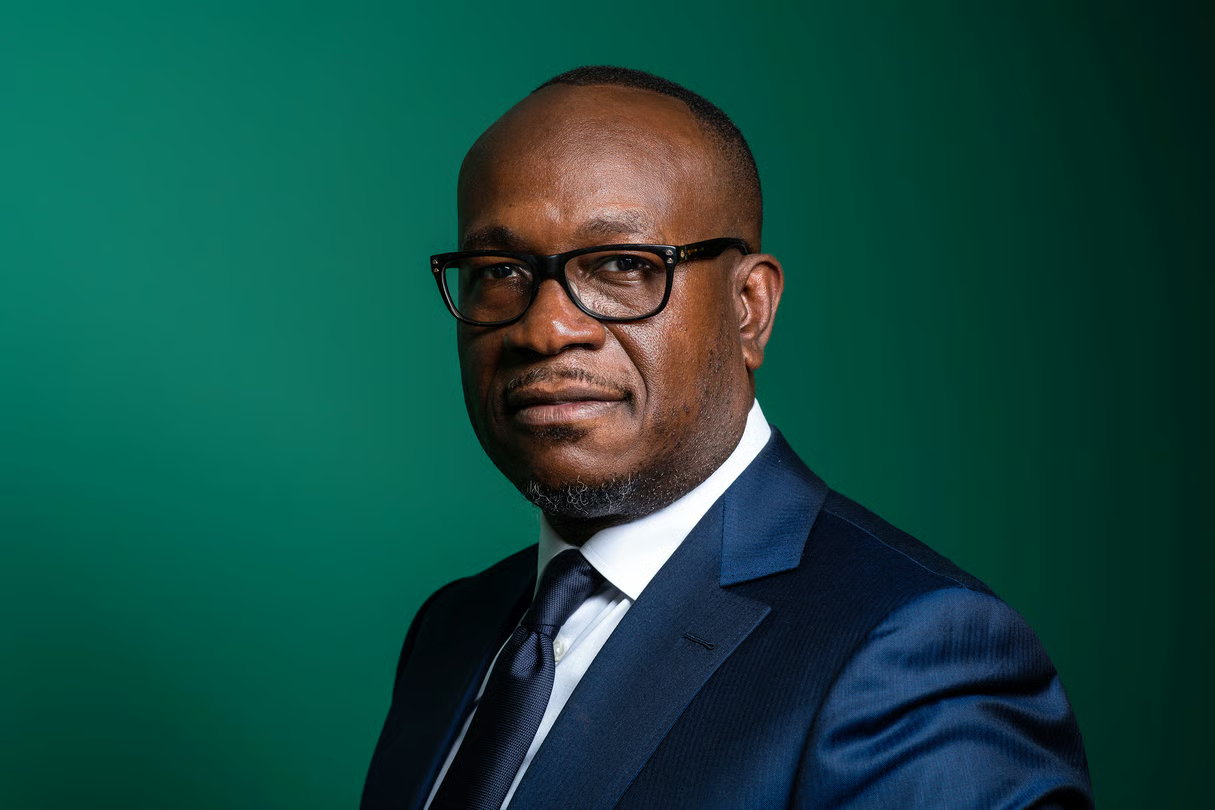
Behind the formal justifications for postponing the Democratic Republic of Congo’s elections lies a complex web of political maneuvering and institutional weaknesses. Opposition leader Delly Sesanga exposes the hidden forces shaping this crisis, revealing how short-term decisions are reshaping the nation’s democratic future. As electoral timelines slip further out of reach, the implications extend far beyond calendar adjustments—they threaten to erode public trust and deepen existing fractures within Congo’s fragile governance system.
What’s really behind Congo’s election postponements?
The repeated delays in Congo’s electoral calendar aren’t just administrative hiccups—they reflect deeper structural vulnerabilities. According to insider accounts, logistical bottlenecks, security concerns, and political calculations are colliding to derail timelines. Sesanga argues that these factors are being weaponized to justify delays, creating a cycle where postponements become the default rather than the exception.
- Security first? While instability in eastern Congo is undeniable, critics question whether these challenges are being overstated to stall elections. The government’s ability to mobilize resources contrasts sharply with the slow pace of electoral preparations, fueling suspicions of deliberate obfuscation.
- Budgetary black holes: Inconsistent funding for the electoral commission has crippled voter registration drives and ballot printing. Internal mismanagement may be just as culpable as external pressures in derailing the process.
- Power play: With ruling and opposition factions locked in a delicate balance, delays could be serving entrenched interests. Sesanga warns that postponements risk normalizing electoral irregularities, setting a dangerous precedent for future transitions.
How delays are reshaping Congo’s political landscape
The electoral postponements aren’t happening in a vacuum. They intersect with broader shifts in Congo’s political dynamics, where trust in institutions is already fragile. Sesanga’s critique highlights three key areas of concern:
- Erosion of public confidence: Repeated delays send a message to voters that their participation is secondary to elite calculations. This fuels apathy and disengagement, further weakening democratic norms.
- Fragmentation of alliances: Opposition coalitions, including the AFC/M23 alliance, are struggling to maintain coherence in the face of prolonged uncertainty. Internal divisions risk splintering the movement just as external pressures mount.
- International reactions: While some regional bodies have expressed concern, the lack of unified pressure allows Congo’s leadership to exploit divisions among stakeholders. This geopolitical fragmentation complicates efforts to restore momentum to the electoral process.
Sesanga’s warning: Why normalization of delays spells danger
Delly Sesanga’s recent statements crystallize the opposition’s growing alarm. He asserts that the decision to repeatedly postpone elections isn’t just about logistics—it’s about consolidating power under the guise of stability. His warnings underscore three critical risks:
- The slippery slope of exceptions: Normalizing delays creates a precedent where future election cycles could be manipulated with little consequence. Once the taboo of postponement is broken, the door opens to further abuses.
- Institutional decay: A weakened electoral commission and compromised judiciary lose legitimacy with each passing delay. Sesanga cautions that without robust oversight, the integrity of Congo’s democratic institutions could collapse entirely.
- Citizen disillusionment: The longer elections are delayed, the harder it becomes to reignite public enthusiasm. This apathy could lead to lower voter turnout, further delegitimizing the eventual results.
Looking ahead: Can Congo break the cycle?
The path forward remains uncertain, but Sesanga’s analysis points to potential leverage points. Addressing the crisis requires more than technical fixes—it demands political will to prioritize elections over short-term calculations. Key steps could include:
- Transparent timelines: Establishing a clear, non-negotiable electoral calendar with external oversight to rebuild trust.
- Resource mobilization: Securing dedicated funding for voter education, registration, and logistics to prevent avoidable bottlenecks.
- Unified opposition: Strengthening coordination among opposition factions to present a cohesive alternative to the status quo.
- Regional pressure: Leveraging international partners to apply consistent pressure, closing gaps that allow delays to persist.
The stakes couldn’t be higher. Congo stands at a crossroads where every day of inaction chips away at its democratic foundations. The choices made now will determine whether the country can reclaim control over its political destiny—or surrender it to the whims of delay.