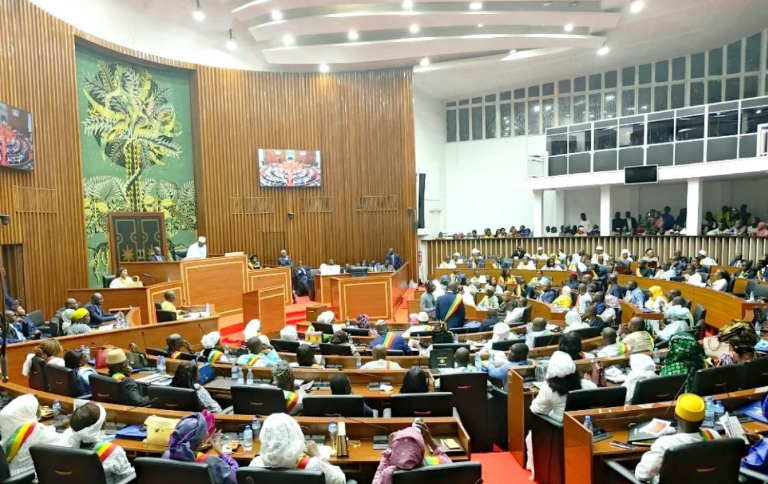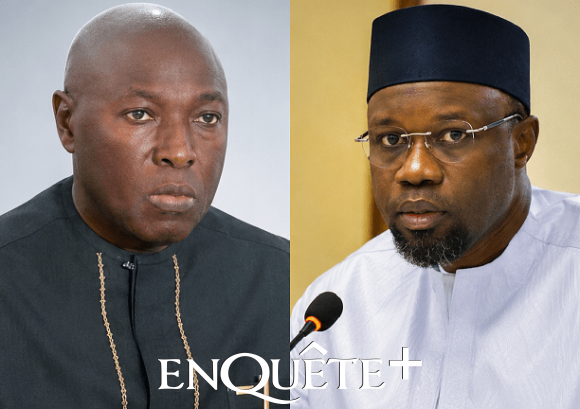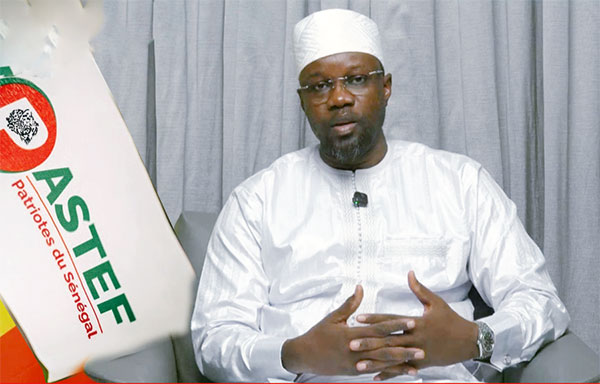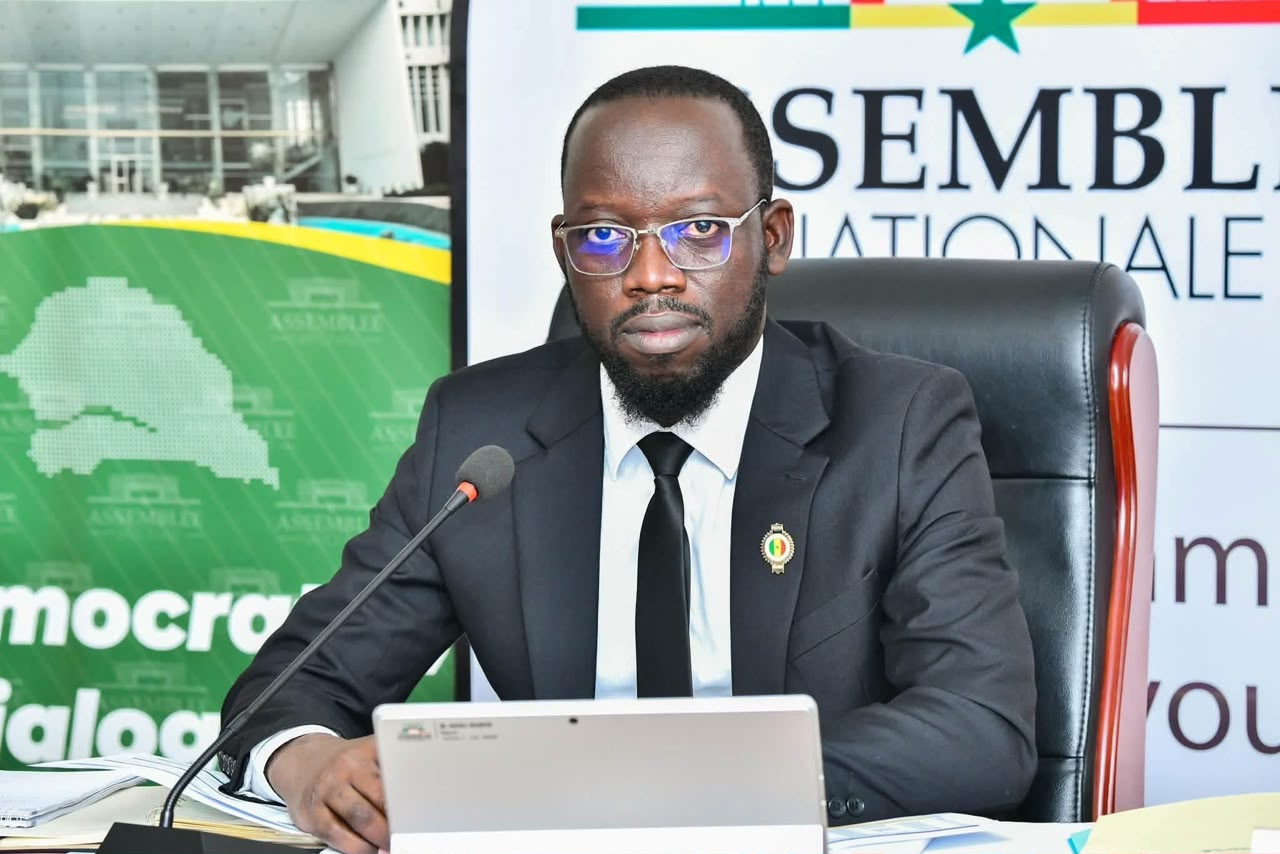
The recent surge in threats against Senegalese opposition leader Ousmane Sonko has exposed deep-rooted political fissures behind the country’s democratic facade. While public debates often focus on policy differences, the underlying motivations driving these aggressive tactics reveal a far more complex narrative—one rooted in power preservation, institutional distrust, and the suppression of dissent.
Behind The Scenes: Why Threats Have Become A Political Tool In Senegal
Ousmane Sonko, a prominent opposition figure and former presidential candidate, has long been a thorn in the side of establishment politics in Senegal. His rise has not only challenged traditional power structures but also exposed vulnerabilities in how political opposition is perceived and handled. Threats, whether direct or veiled, are increasingly being used as a preemptive measure to silence critics before they gain broader influence.
The timing of these threats coincides with a period of heightened political contestation, where Sonko’s growing support base threatens the status quo. Analysts suggest that the election cycle and shifting voter demographics have intensified concerns among ruling factions, leading to a calculated shift toward intimidation over dialogue.
The Role Of Social Media In Amplifying Political Violence
While political tension is not new in Senegal, the digital age has transformed how threats are disseminated and perceived. Social media platforms have enabled the rapid spread of inflammatory rhetoric, often with little accountability. This has created an environment where anonymity emboldens aggression, and public figures like Sonko become targets without clear safeguards.
Notably, the lack of regulatory oversight on digital communication has allowed misinformation and targeted harassment to flourish, further destabilizing political discourse.
From Words To Actions: The Real Consequences Of Political Intimidation
Beyond the rhetoric, the threats against Ousmane Sonko are not isolated incidents—they reflect a broader trend of escalating political violence across West Africa. The normalization of such tactics sets a dangerous precedent, where intimidation replaces democratic engagement as the primary means of addressing dissent.
This shift raises critical questions about Senegal’s democratic resilience. Can a political system that tolerates threats against its leaders maintain its integrity? The answer may lie in how institutions respond—not just in words, but in decisive action.
What’s Next For Senegal’s Political Landscape?
The road ahead remains uncertain. With Sonko’s influence continuing to grow, the pressure to neutralize him intensifies. However, the backlash from civil society and international observers could force a reckoning—one that demands accountability for those fueling this toxic climate.
As Senegal navigates this pivotal moment, the choice between democratic principles and authoritarian tactics will define its future. The stakes could not be higher.