The recent inflammatory remarks by Arona Coumba Ndoffène Diouf, a prominent figure in Senegal’s ruling party Kiiraay, have exposed deeper underlying tensions threatening the nation’s stability. These statements, which include a direct call for a conspiracy to remove President Ousmane Sonko from power, underscore a troubling escalation in political rhetoric that risks undermining Senegal’s democratic foundations.
How inflammatory rhetoric from ruling party members fuels instability
The remarks by Ndoffène Diouf are not isolated but reflect a broader pattern of aggressive discourse emanating from the presidential camp. This rhetoric often targets opposition leaders and dissenting voices, including appeals for forceful measures to suppress political rivals. Such statements, when unchecked, create a volatile climate where violence becomes normalized as a tool of political strategy.
PASTEF’s urgent appeal for legal intervention
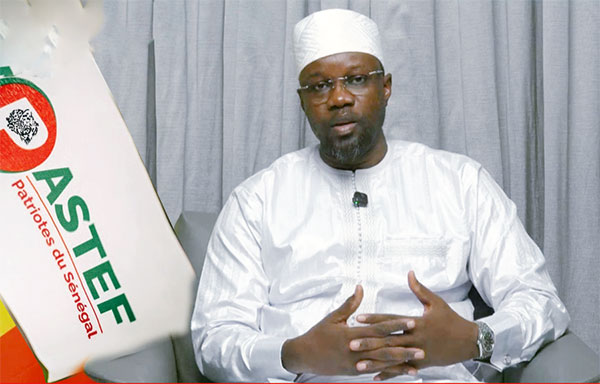
The opposition party PASTEF – Les Patriotes has condemned these remarks, emphasizing that they constitute a direct threat not only to Ousmane Sonko but to national security as a whole. The party points to recent history, particularly the violent unrests between 2021 and 2024, as a warning of the consequences of unchecked political violence and impunity. These past events left lasting scars on Senegal’s social fabric, and their recurrence is a growing concern.
PASTEF – Les Patriotes has urged immediate legal action against those responsible for inciting violence, calling on the public prosecutor to enforce the law without delay. The party also directed an appeal to President Bassirou Diomaye Faye, demanding decisive action to curb the illegal activities of the ruling party Kiiraay and its affiliates.
Historical parallels and lessons for Senegal’s democracy
The current climate echoes past episodes where political conspiracies and violent suppression tactics destabilized the country. The 2021-2024 unrest, driven partly by similar rhetoric, serves as a stark reminder of the dangers posed by unaddressed inflammatory language. As political tensions simmer, the absence of accountability for such actions risks emboldening further provocations, threatening both peace and democratic governance in Senegal.
What happens next?
The ball is now in the court of Senegal’s judicial system. Will the prosecutor’s office respond with swift legal measures to address these threats, or will the rhetoric continue to escalate? The outcome of this moment could define the trajectory of Senegal’s political future and its commitment to upholding the rule of law.