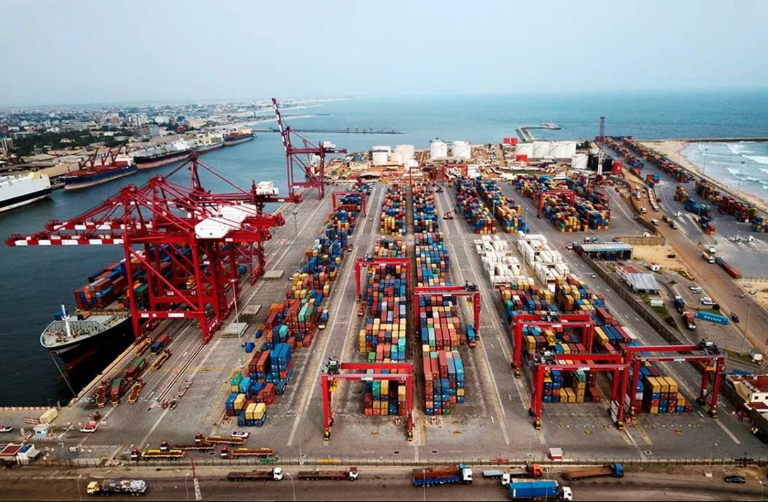
The ink is barely dry on Benin’s historic trade agreement with the United Arab Emirates, but the conversation is already shifting from celebration to scrutiny. As officials tout the potential economic windfalls, critics are questioning whether the anticipated benefits will trickle down to local communities—or simply line the pockets of a few corporate players.
The deal at a glance: what changes for Benin?
Under the new economic partnership, over 3,000 Beninese products will soon enter the UAE market free of import duties. The accord, signed during President Romuald Wadagni’s visit to Abu Dhabi, aims to slash trade barriers and unlock fresh revenue streams for Benin’s struggling economy.
But the real debate isn’t about the deal itself—it’s about what happens next. Will this be a game-changer for farmers, small businesses, and job seekers? Or will the gains remain concentrated among elite exporters while local producers struggle to meet international standards?
Who stands to win? The sectors most likely to benefit
The agreement targets key agricultural and processed goods, including:
- Cotton – a cornerstone of Benin’s economy, now set to face lower export costs
- Cashew nuts – a high-demand commodity with untapped potential
- Soybeans – positioning Benin as a supplier of food-grade products
- Shea butter – fetching premium prices in global markets
- Agri-food products – including packaged goods and processed foods
From raw materials to finished goods: the transformation challenge
The biggest hurdle? Moving beyond exporting unprocessed commodities. If Benin can boost local processing, it could capture more of the product’s value instead of sending profits abroad. This would require:
- Upgraded processing facilities
- Training programs for farmers and workers
- Stricter quality control to meet UAE import regulations
Jobs, wages, and the human impact: will communities feel the change?
Proponents argue the deal could create thousands of jobs—from farmhands to logistics workers—especially in rural areas. Women, who dominate many agricultural processing roles, may see new opportunities, provided small-scale producers can afford to scale up.
Yet skeptics warn that without safeguards, the benefits might bypass local communities entirely. Many fear that without direct support—such as subsidized credit or technical assistance—small businesses will be left behind as larger exporters dominate the market.
Numbers don’t lie: but do they tell the full story?
Trade figures paint an optimistic picture. In 2025, non-oil trade between Benin and the UAE hit $2.15 billion—a 65% jump from the previous year. Early 2026 data shows a 37.4% increase in the first half alone. Authorities project UAE-bound exports could surge by over $100 million by 2033.
But projections aren’t promises. Success hinges on whether Benin can:
- Streamline customs procedures to avoid delays
- Invest in infrastructure to reduce transport costs
- Negotiate fair terms for small-scale producers
The road ahead: turning potential into reality
The UAE deal is just the first step. To ensure lasting impact, Benin must address lingering challenges:
- Quality control: UAE importers demand strict compliance with sanitary and phytosanitary standards.
- Financing gaps: Many small businesses lack the capital to upgrade facilities or hire skilled labor.
- Logistics bottlenecks: Poor infrastructure could erode the price advantage gained from tariff cuts.
- Fair distribution: Policies must ensure rural communities and women-owned businesses aren’t sidelined.
The government’s role will be critical. Targeted subsidies, vocational training, and partnerships with UAE buyers could help local firms compete. Without these interventions, the deal risks becoming another missed opportunity for inclusive growth.
Public reaction: optimism tempered by caution
On social media and in local forums, reactions are mixed. Some celebrate the agreement as a long-overdue economic boost. Others question whether it will benefit the many or just the few. Economists highlight the need for transparency in how benefits are distributed and call for clearer timelines on implementation.
One thing is certain: the conversation is far from over. As Benin waits for the agreement to take effect, the real test will be whether this deal lives up to its promise of shared prosperity—or becomes yet another unfulfilled trade agreement.