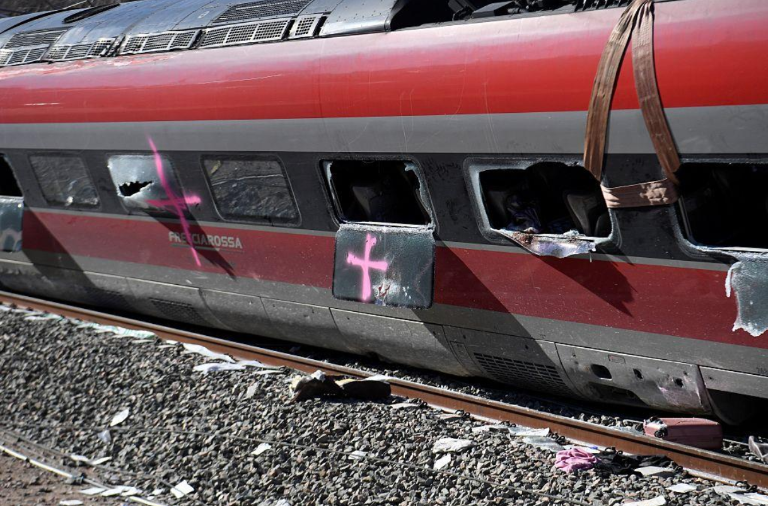
Spain is grappling with the devastating aftermath of a catastrophic high-speed train collision near Urda, in the province of Toledo, where at least 46 people lost their lives and 179 others were injured. The disaster has ignited a fierce public debate over railway safety, accountability, and the future of Spain’s transportation infrastructure.
Aftermath of the disaster: families mourn as shockwaves reverberate across the nation
The collision between two high-speed trains—one operated by Spain’s national rail company Renfe and the other by the private operator Iryo—has left the country in a state of collective mourning. Emergency response teams worked tirelessly through the night to extract passengers from the wreckage, while families awaited news of their loved ones in agonizing uncertainty.
The tragedy unfolded on a key rail corridor linking Madrid to Andalusia, where one train reportedly plowed into another that had come to a stop. Several carriages derailed and were flung onto the trackside embankment, complicating rescue efforts and prolonging the suffering of those trapped inside.
Investigations begin: what really happened that day?
The immediate priority is securing the crash site and launching a rigorous technical investigation. Authorities are examining multiple potential causes, including the possibility of signaling failures, communication breakdowns between drivers and control centers, and deficiencies in standard safety protocols.
The inquiry will scrutinize:
- Railway signaling systems and their responsiveness
- Real-time communication logs between crews and traffic controllers
- Conditions of the tracks and onboard safety equipment
- Training and procedural adherence among train operators
While early media reports hint at coordination lapses, no definitive conclusions have been drawn—only a thorough reconstruction of events will reveal whether human error, technical malfunction, or a combination of factors led to this preventable disaster.
Public outrage fuels demand for accountability and reform
This is not Spain’s first railway tragedy, and the latest incident has intensified calls for systemic change. Citizens and advocacy groups are demanding transparency from authorities regarding the state of infrastructure, frequency of safety audits, and the reliability of high-speed rail networks.
Many point to recent near-miss incidents and highlight underinvestment in maintenance and modern signaling technology. There is growing pressure on regulators to enforce stricter oversight and ensure that profit motives never compromise passenger safety.
Travel disruptions continue as Spain seeks answers
In the wake of the collision, several high-speed routes have been suspended, causing travel delays and cancellations for thousands of passengers. Rail authorities have pledged to restore service once safety reassessments are completed, but public confidence remains fragile.
What comes next: healing, truth, and a safer future
Beyond the immediate rescue and recovery, Spain faces the daunting task of healing a nation scarred by this tragedy. Vigils are being held across cities, and mental health support services have been activated for victims and their families.
As investigators work to piece together the sequence of events, one thing is clear: the priority must remain uncovering the truth and implementing reforms to prevent such a catastrophe from ever happening again. For now, Spain waits—not just for answers, but for justice.