Cameroon’s FSNC suspension: uncovering the hidden factors driving the government’s bold move
The recent three-month suspension of the Front for National Salvation of Cameroon (FSNC) has sent ripples through the political landscape, but what are the behind-the-scenes forces shaping this decision? While official justifications cite threats to national integrity and public order, deeper political and administrative dynamics may hold the key to understanding this controversial move.
What triggered the suspension?
The Cameroonian government, through Minister of Territorial Administration Paul Atanga Nji, suspended the FSNC under section 7 of the law regulating political parties. The stated reasons include:
- Incitement to insurrection through public statements and communications
- Threats to national cohesion by undermining territorial integrity and national unity
- Direct incitement to violence that led to damage of public and private property
- Chronic public order disturbances across multiple regions
- Technical violation as one of the party’s statutory leaders maintains residence abroad
Beyond the official narrative: administrative context
The suspension’s timing and selective targeting raise questions about its broader context. Internal government communications suggest two primary administrative considerations:
- Preventing escalation before scheduled opposition rallies that could destabilize regional administrative structures
- Demonstrating authority ahead of upcoming governance reviews where internal security assessments play a critical role
Administrative sources reveal that similar measures have been quietly prepared for other smaller parties whose activities fell under enhanced scrutiny in recent months.
The political chessboard: opposition reactions
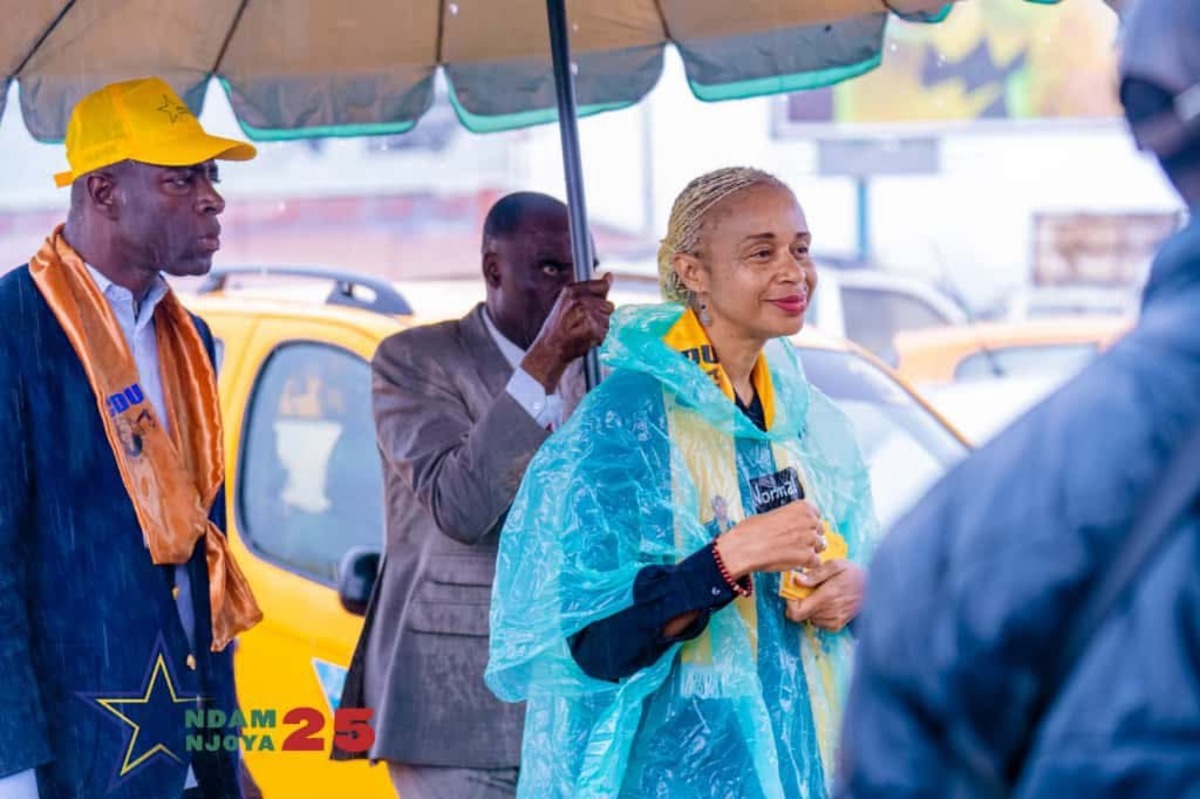
The Union for Democracy and Progress (UDC), represented by Hermine Patricia Tomaino Ndam Njoya, has expressed ‘profound concern’ about what they perceive as a double standard in enforcement. Their analysis points to:
- Inconsistent application of suspension orders across different political movements
- Potential political motivation behind the timing, particularly regarding upcoming electoral processes
- Questions about proportionality when compared to other parties facing fewer restrictions
Political observers note that such suspensions, while framed as temporary, often create lasting political consequences that extend beyond the stated three-month period.
Legal procedures: how suspension operates
Under Cameroonian law, political party suspensions follow specific administrative protocols:
- The territorial administration ministry files a formal request with the administrative court
- A three-member panel reviews the evidence within 48 hours
- The court issues a temporary suspension pending formal proceedings
- Parties have 15 days to appeal the decision through legal channels
This expedited process explains the rapid implementation of the FSNC suspension, though it limits opportunities for detailed defense presentation during the initial phase.
Looking ahead: implications and uncertainties
The suspension period will likely see intensified government monitoring of the FSNC’s activities, particularly its external communications and funding sources. Political analysts anticipate several potential developments:
- Strategic restructuring attempts by the suspended party to maintain influence
- Legal challenges that could test the boundaries of administrative authority
- Shifts in opposition coordination as affected parties reassess their collective strategies
Meanwhile, the Cameroonian public faces a period of increased political caution as administrative bodies prepare for potentially sensitive governance transitions in coming months.