The Global Divide Over Cuba: A Landmark UN Vote Reveals Unexpected Alliances
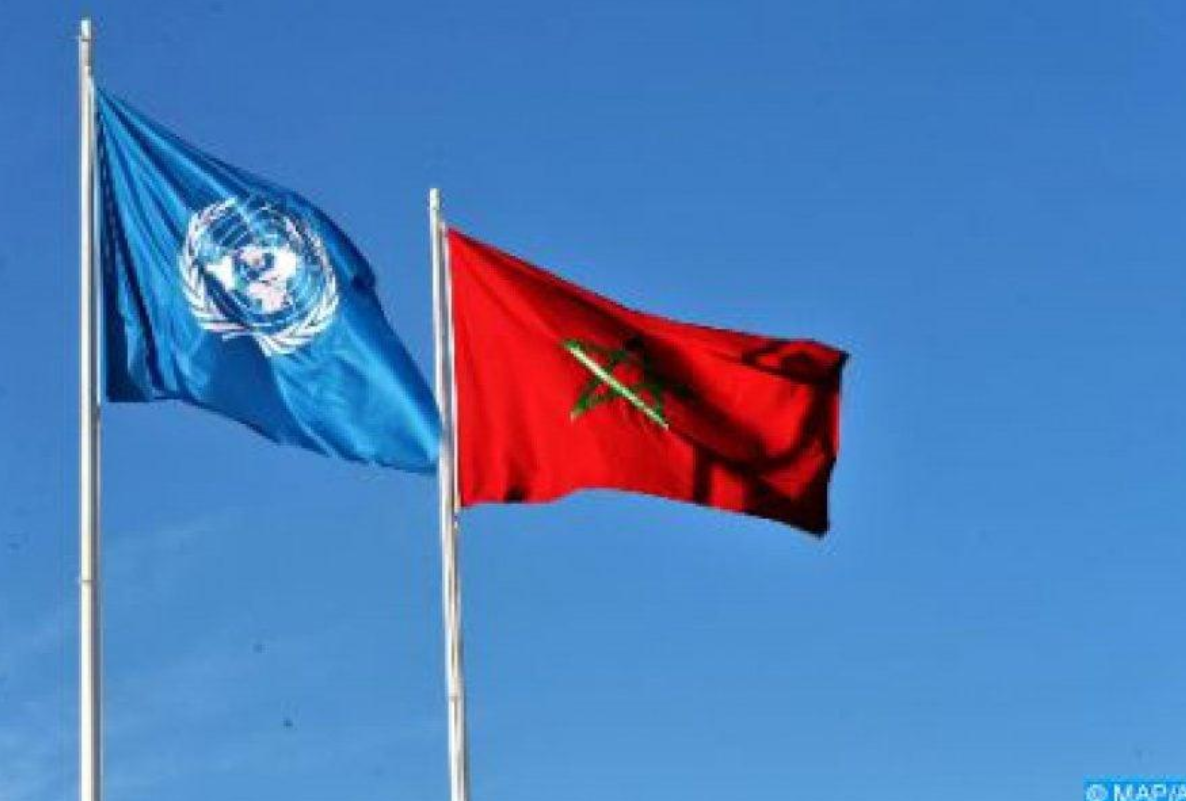
The United Nations General Assembly delivered its 34th resolution calling for the end of the U.S. embargo on Cuba, with 130 nations in favor, 17 against, and 25 abstentions. Yet the spotlight fell on Africa, where Morocco stood alone as the continent’s sole dissenting voice—a decision that has ignited discussion over shifting diplomatic loyalties and the future of international solidarity.
Why Did Morocco Break Ranks With African Consensus?
While the vast majority of African nations supported the resolution or chose neutrality, Morocco’s vote against the measure marked a sharp departure from the continental trend. Historically, African states have rallied behind calls to lift the embargo, framing their stance in terms of sovereignty, non-interference, and resistance to unilateral economic coercion. The Moroccan exception raises questions about the kingdom’s evolving foreign policy priorities and its relationship with both Washington and Havana.
Unlike previous years, when Morocco abstained, this vote represented a decisive turn toward opposition. The shift occurred amid intensified U.S. lobbying efforts to sway nations away from endorsing the resolution—efforts that saw some European allies, such as Germany and Italy, abandon their previous support in favor of abstention. Yet Morocco’s move stands out for its lack of public justification, leaving observers to speculate about the motivations behind Rabat’s stance.
The Underlying Tensions Shaping Global Opinions on Cuba
The debate over the embargo is more than a Cold War relic; it reflects deep divisions over sovereignty, economic pressure, and human rights. The U.S. argues that sanctions target Cuba’s authoritarian government and its human rights record, while Havana condemns the embargo as a punitive tool that exacerbates poverty, energy shortages, and daily hardships for its citizens. With Cuba facing its most severe economic crisis in decades, the stakes for international support have never been higher.
The resolution itself, though non-binding, carries symbolic weight. It reaffirms the global consensus against unilateral economic measures, yet its enforcement remains entirely dependent on political will—particularly in Washington. The Moroccan vote underscores how even symbolic diplomatic gestures can reshape perceptions of solidarity, especially in regions where collective action has long been a cornerstone of foreign policy.
What Comes Next for Morocco and the African Bloc?
The ripple effects of Morocco’s decision are already being felt. Allies and critics alike are scrutinizing the move, with some suggesting it signals a strategic realignment toward the U.S. Others argue it reveals a more nuanced, case-by-case approach to international disputes. What is clear is that the vote has fractured the previously unified African position, leaving room for speculation about whether this is an isolated incident or the start of a broader shift.
For Cuba, the resolution represents another step toward international legitimacy, even if it lacks immediate practical impact. The embargo persists as a point of contention, with both sides entrenched in their positions. Meanwhile, Morocco faces the challenge of clarifying its stance—whether as a principled stand against interventionism or as part of a recalibrated diplomatic strategy. One thing is certain: the fallout from this vote will extend far beyond the halls of the UN, influencing debates on sovereignty, sanctions, and the future of global cooperation for years to come.