Africa’s olympic debut: the real hurdles behind Dakar’s youth games
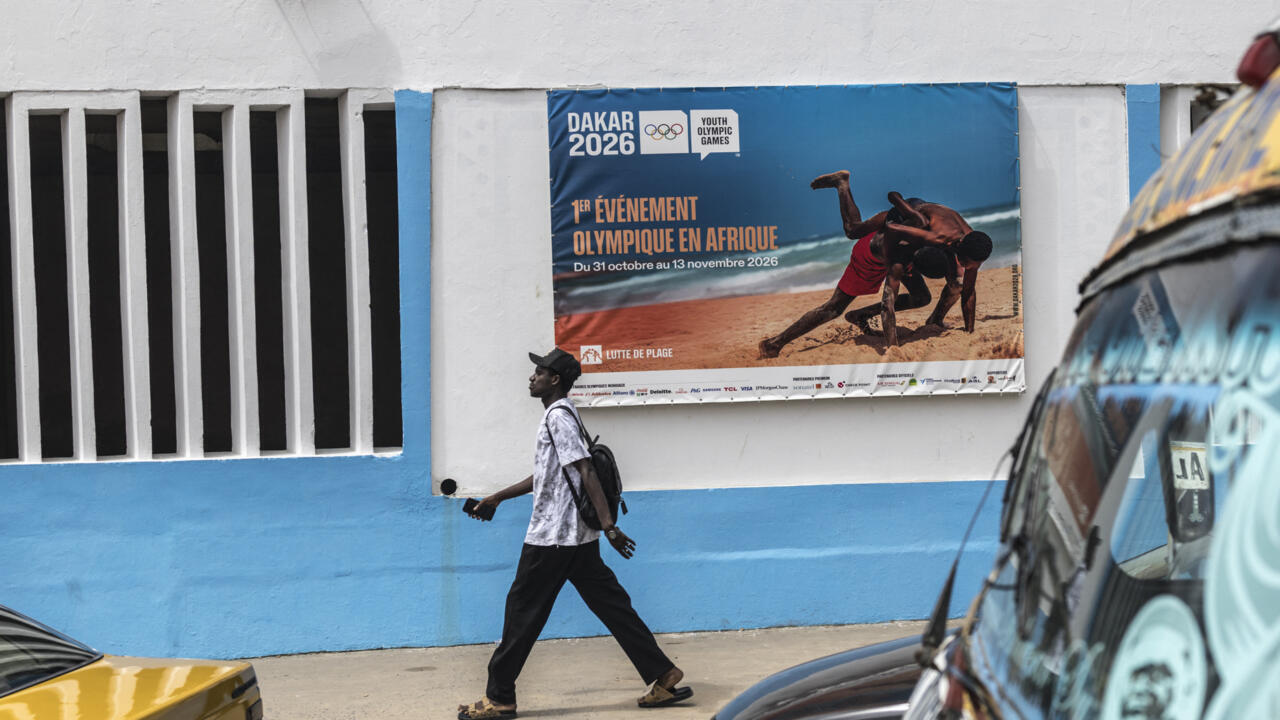
When the Olympic flame arrives in Dakar on October 31, 2026, it will mark more than a sporting spectacle—it will be the culmination of a decade-long strategic gamble by Senegal and the International Olympic Committee to prove that Africa can stage global events with excellence. Behind the historic first-ever Olympic Games on African soil, however, lies a complex web of logistical, economic and political dynamics that have been quietly reshaping the continent’s sporting ambitions.
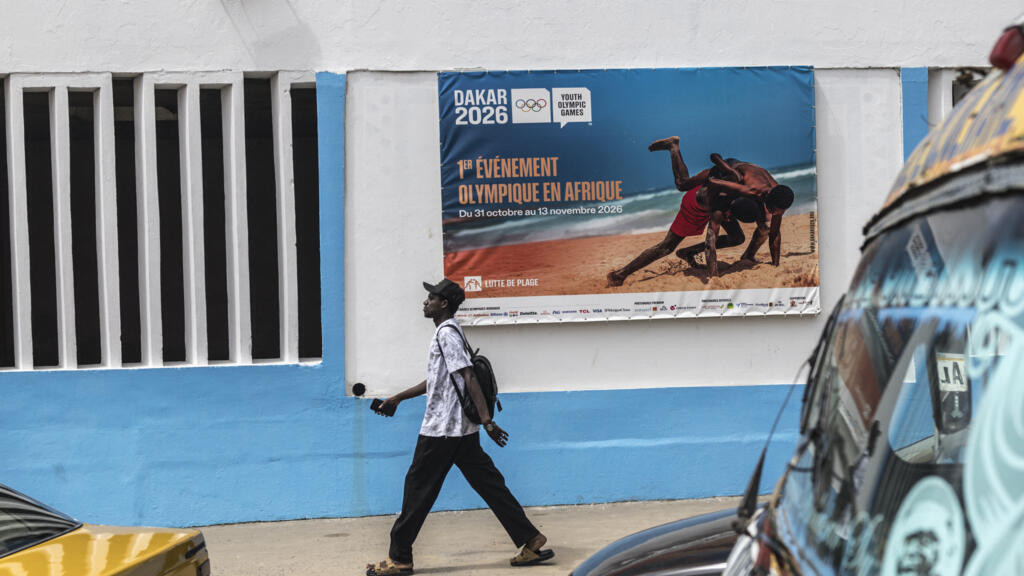
Why Dakar’s youth olympic games matter for africa’s sporting future
The Youth Olympic Games (YOG) are often seen as the IOC’s proving ground—a chance to test a continent’s readiness for the ultimate test: the Olympics. For Senegal, hosting the 2026 YOG is not just about hosting a week-long event; it’s about laying the foundation for a potential bid to host the full Olympic Games. The stakes are high: the continent has never before hosted the Olympics, and Dakar’s success could redefine Africa’s role in the global sporting calendar.
Yet success cannot be taken for granted. Behind the polished stadiums and ceremonial rhetoric lies a series of behind-the-scenes challenges that must be overcome to ensure this event leaves a lasting legacy beyond the closing ceremony.
The invisible engine: how logistics and infrastructure are being reimagined
The most visible hurdle is infrastructure. Senegal has invested heavily in modernizing its venues and transport networks, but the real challenge lies in the unseen—organizing the flow of athletes, officials, media and spectators across a city that was not built for global-scale events. The Dakar 2026 organizers have had to rethink everything from airport capacity to urban mobility, working against tight timelines and limited experience in managing such complexity.
According to Diamil Faye, Special Advisor to President Bassirou Diomaye Faye, the government’s role has shifted from symbolic support to hands-on coordination. “This is not just about building stadiums,” he notes. “It’s about orchestrating a seamless experience for thousands of people who will arrive with expectations shaped by years of international broadcasting.” The pressure is immense: one misstep in logistics could overshadow years of preparation.
Transportation: breaking the bottleneck
- Airport upgrade: Dakar’s international airport is undergoing a major expansion to handle increased air traffic, with dedicated lanes for athlete arrivals and diplomatic flights.
- Metro extension: A new light rail line is being fast-tracked to connect key venues, reducing reliance on road transport during peak hours.
- Accommodation strategy: With only 3,000 hotel beds in the city, organizers are partnering with local universities and sports academies to provide temporary housing.
These changes are not just about efficiency—they represent a cultural shift in how Senegal plans to manage large-scale events in the future.
The human factor: training a workforce for the olympic stage
No amount of infrastructure can compensate for inexperience. Senegal has embarked on an ambitious program to train thousands of volunteers, security personnel and event staff, many of whom have never worked at an Olympic-level event. The IOC has provided mentorship, but Senegalese teams are learning on the fly—balancing national pride with the need to meet international standards.
This human dimension is where the real story of Dakar 2026 is being written. Every volunteer trained, every protocol refined, every crisis averted is a lesson that will shape whether Senegal—and Africa—is ready for the next step.
From youth games to legacy: what comes after 2026?
The YOG are often dismissed as a minor event, but their legacy could be transformative. If Dakar delivers a smooth, memorable Games, it could prompt the IOC to consider Africa for future Olympics. But the window is narrow: observers note that the next possible African hosts must prove not just capability, but reliability—a quality that is still untested on the continent.
For Senegal, the message is clear: Dakar 2026 is not the finish line, but the starting pistol. The question is whether the continent can sustain the momentum long enough to turn a logistical gamble into a sporting revolution.
Key takeaways: what makes Dakar 2026 a turning point
- First on the continent: Dakar will be the first Olympic event ever held in Africa, setting a precedent for future bids.
- Infrastructure leap: Modern stadiums and transport upgrades are providing long-term benefits for Senegal’s urban development.
- Human capital investment: Training programs are building a new generation of event professionals.
- Diplomatic impact: A successful YOG could elevate Senegal’s standing on the global stage, attracting investment and tourism.
- Unfinished agenda: The biggest challenge remains proving that the success of 2026 can be replicated at scale for a full Olympics.
As the countdown to October 31 begins, one thing is certain: Dakar 2026 is about far more than sport. It’s a high-stakes experiment in whether Africa can write a new chapter in Olympic history—not just as a participant, but as a host.