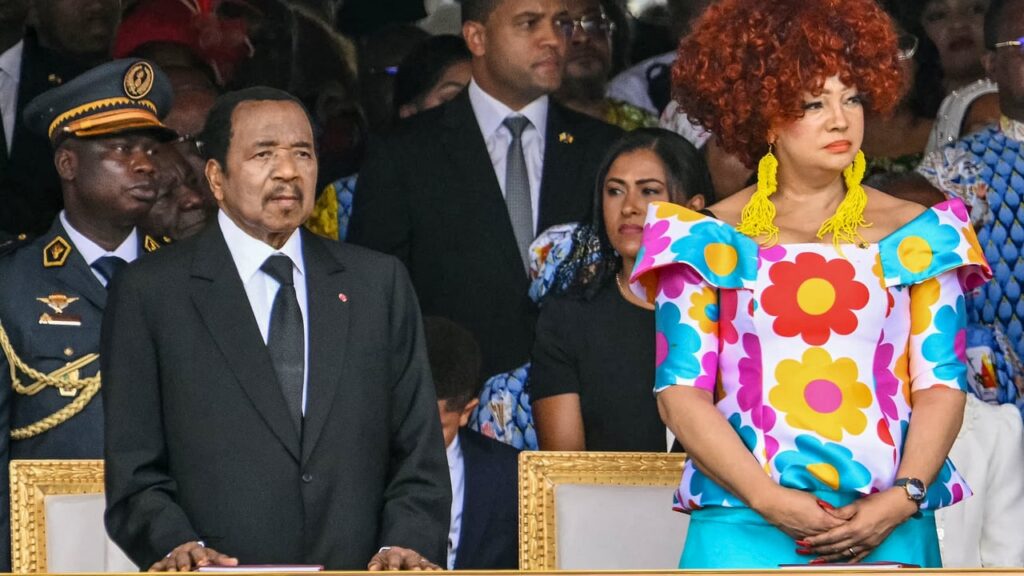

The Camerounian Head of State, President Paul Biya, has just concluded an exceptionally prolonged stay in Switzerland, a trip that has sparked renewed speculation about the state of his health and the future of power in Yaoundé. The 90-year-old leader, who has been in office for over four decades, appears to be facing mounting questions about his ability to continue governing, despite official denials.
An unusually extended diplomatic absence
President Biya’s latest Swiss retreat has surpassed all previous records in duration. Diplomats and political observers note that his absence from the capital has extended far beyond the usual timeline, fueling debates about whether this signals a shift in governance or merely a routine private visit. The President, known for his private lifestyle, has long favored Switzerland for his getaways, but the length of this particular stay raises eyebrows.
During his absence, official duties in Yaoundé have been handled by a rotating team of senior officials, including members of the presidential inner circle. However, the lack of visible public appearances by the President has done little to quell the growing murmurs among the public and political class.
Health concerns and the shadow of succession
The timing of this extended trip coincides with persistent rumors about President Biya’s health. While state media has dismissed these claims as baseless, the absence of any recent footage or public statements from the President has only deepened the uncertainty. The Camerounian presidency has not released any official medical updates, leaving many to wonder about the true nature of his condition.
At the same time, the political landscape in Cameroun remains tense. With no clear successor in sight, the question of who will eventually take the reins of the country looms large. The ruling party, the Cameroon People’s Democratic Movement (CPDM), has yet to outline a transition plan, adding to the atmosphere of unease. Opposition figures and civil society groups have called for greater transparency, but their demands have so far gone unanswered.
Public reaction and media silence
The Swiss sojourn has dominated conversations in political circles and on social media, where hashtags and trending topics have emerged. Yet, state-controlled media has maintained a strict silence on the matter, sticking to routine coverage of government activities without addressing the elephant in the room. This selective reporting has only fueled further speculation.
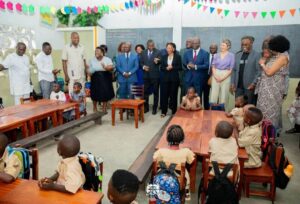
Meanwhile, First Lady Chantal Biya has continued her public engagements, including a recent religious ceremony in Yaoundé. While her presence provides a semblance of normalcy, it does little to dispel the underlying concerns about the President’s prolonged absence.
What’s next for Cameroun?
As President Biya’s Swiss retreat drags on, the nation watches and waits. The lack of concrete information from official channels has left many questioning the stability of the country’s leadership. Whether this trip is a temporary respite or a sign of deeper issues remains unclear. What is certain, however, is that the longer the President remains out of the public eye, the more the uncertainty grows.
The Camerounian government has yet to address these concerns directly, leaving citizens and observers alike in a state of limbo. Until then, the debate over the President’s health and the future of the country will continue to dominate national discourse.