The Burkina Faso transitional government’s recent diplomatic overtures to Brussels have laid bare the financial realities facing the West African nation, forcing a reckoning between its anti-Western rhetoric and the urgent need for funding.
Diplomatic U-turn: Ouagadougou seeks Brussels’ support after Moscow talks fall short
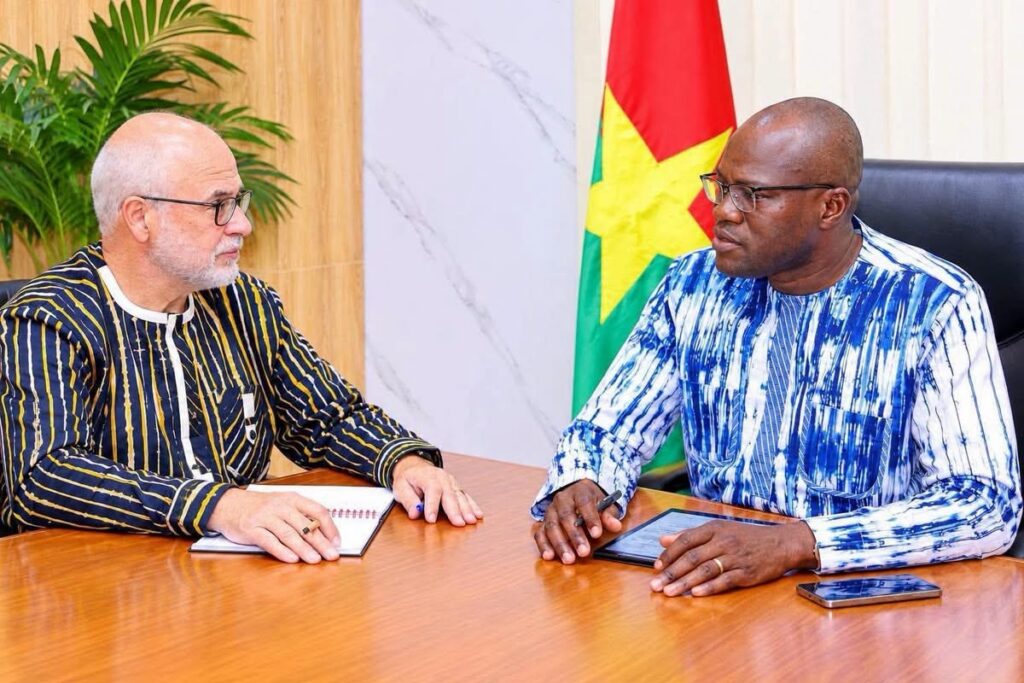
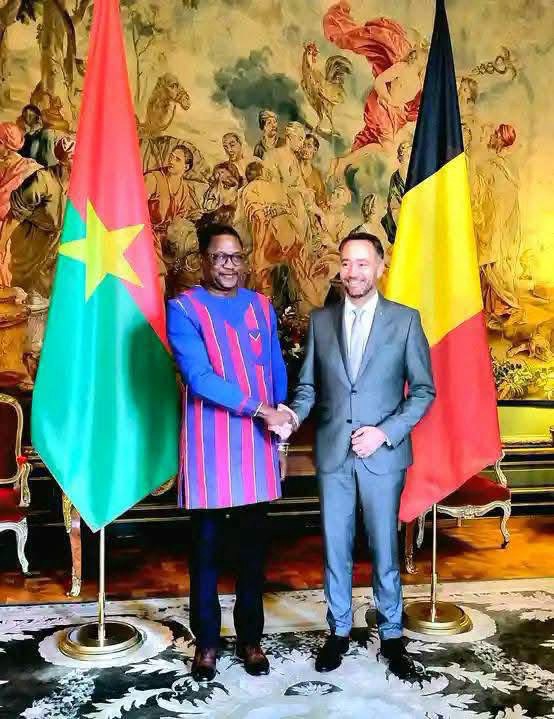
In a striking reversal of its public campaign against Western partners, Burkina Faso’s military-led administration has quietly resumed high-level negotiations with European institutions. On November 4-5, Foreign Minister Karamoko Jean Marie Traoré met first with EU High Representative Kaja Kallas in Brussels, followed by Belgian Deputy Prime Minister and Foreign Minister Maxime Prévot the next day.
This diplomatic pivot comes just days after Burkina Faso participated in the Russia-Africa Economic and Humanitarian Forum in Moscow, where officials had placed great hopes in securing new financial commitments from Moscow.
Moscow’s promises unfulfilled: Moscow delivers cooperation frameworks but no immediate funding
The Burkina Faso-Russia partnership was presented as a potential replacement for Western cooperation, with the highlight of the Moscow forum being the signing of a memorandum between the Confederation of the Alliance of Sahel States’ Investment and Development Bank and Russia’s VEB.RF.
However, experts note a critical difference between diplomatic declarations and financial delivery: cooperation memoranda are not binding funding commitments. For a nation facing pressing economic challenges, the question remains whether Moscow can or will provide the substantial financial resources Burkina Faso desperately needs.
The country’s current budget deficit of 486.8 billion West African francs (nearly $800 million) and projected 4% GDP deficit in 2026 underscore the urgency of securing reliable funding sources, regardless of ideological alignment.
Europe steps in with concrete financial commitments
The Brussels meetings yielded immediate results: Belgium announced a €40 million financial commitment to Burkina Faso through its development agency Enabel, earmarked for the post-2027 period. This represents more than just diplomatic courtesy; it’s financial support that the transitional government cannot afford to dismiss.
For a regime that has built its public communications on rejecting Western influence, the contradiction in seeking European funding is becoming increasingly difficult to ignore. The Burkina Faso government’s engagement with European development agencies like Enabel and Bio Invest suggests that the country’s financial survival depends more on pragmatic partnerships than ideological purity.
Sovereignty vs. pragmatism: The junta faces difficult questions
The core issue now facing Burkina Faso’s leaders is the growing disconnect between their anti-Western rhetoric and the reality of their diplomatic actions. How can a government simultaneously claim independence from Western financial systems while actively pursuing funding from those very systems?
The transitional administration must address public concerns about this apparent duality. While no serious nation would reject beneficial financial partnerships purely on ideological grounds, the inconsistency damages credibility. Citizens are justified in asking: if Western partners remain essential to development efforts, why maintain a public narrative of total rupture?
Similarly, if Russia was truly intended as Burkina Faso’s financial savior, why have there been no clear announcements about concrete funding received, projects underway, or specific investments made?
Development requires results, not slogans
Burkina Faso’s experience highlights a fundamental truth about international relations: economic development cannot be built on opposition to potential partners. While the country maintains its right to pursue cooperation with any nation or bloc, the transitional government must align its communications with its actions.
The coming months will test whether Burkina Faso’s leaders can transition from political slogans to tangible development outcomes. Financial commitments from Europe demonstrate that Brussels remains a viable partner, regardless of Ouagadougou’s public positioning. The junta now faces increased scrutiny over what, if anything, the much-touted Russian partnership has delivered compared to these European engagements.
The message from Burkina Faso’s diplomatic engagements is clear: while political posturing may shape public discourse, financial survival determines actual governance. As Brussels re-emerges as a key destination for funding negotiations, Burkinabè citizens have every right to demand accountability about what Russian partnerships have really achieved, and why Western cooperation remains indispensable.
By Ousmane Tandja — Journalist