Diplomatic tensions collide with financial commitments as Ouagadougou pursues new partnerships
Following a high-stakes working visit to Brussels in early November 2026, Burkinabè Foreign Minister Karamoko Jean-Marie Traoré secured a renewed Belgian financial commitment of €40 million for the post-2027 period. The announcement arrives amid escalating political tensions between Ouagadougou and Western governments, sparking intense public debate over Burkina Faso’s evolving foreign policy direction under President Ibrahim Traoré.
While Burkinabè authorities emphasize sovereignty and diversified alliances, recent interactions with Belgian and European officials suggest that diplomatic channels remain open. The €40 million pledge, channeled through Belgium’s Enabel agency, signals Brussels’ determination to sustain cooperation despite policy disputes—raising questions about the future of Burkina Faso’s international relationships.
Financial pledge redefines post-2027 cooperation landscape
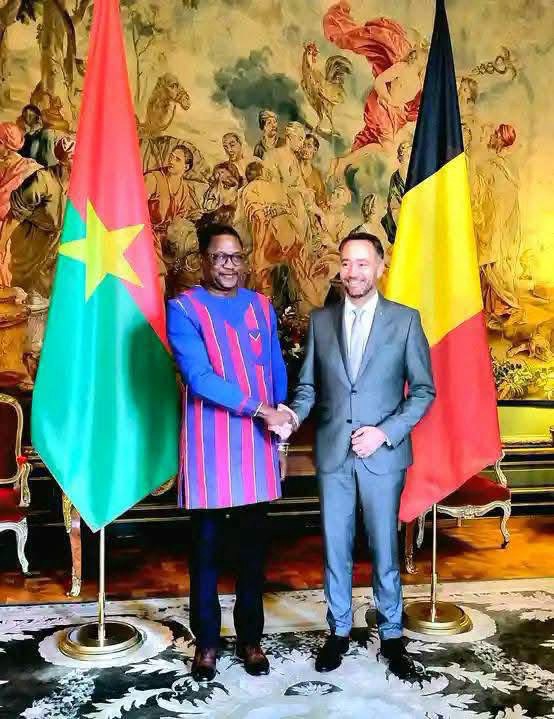
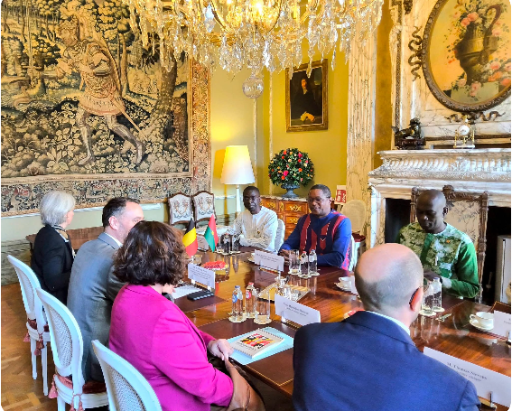
During discussions with his Belgian counterpart, Deputy Prime Minister Maxime Prévot, Traoré explored bilateral cooperation prospects. Belgium confirmed its commitment to provide €40 million in development aid for the post-2027 period, aligning with the existing 2023-2027 cooperation framework valued at €34.5 million. The funding targets humanitarian, social, and economic initiatives aimed at improving living conditions across Burkina Faso.
Key areas of focus include:
- Local governance reinforcement
- Water and sanitation infrastructure development
- Vocational training and youth employment programs
- Healthcare system strengthening
It is important to note that this commitment constitutes an anticipated pledge rather than an already disbursed sum, leaving room for potential adjustments in the coming months.
Brussels and Ouagadougou navigate diplomatic pragmatism
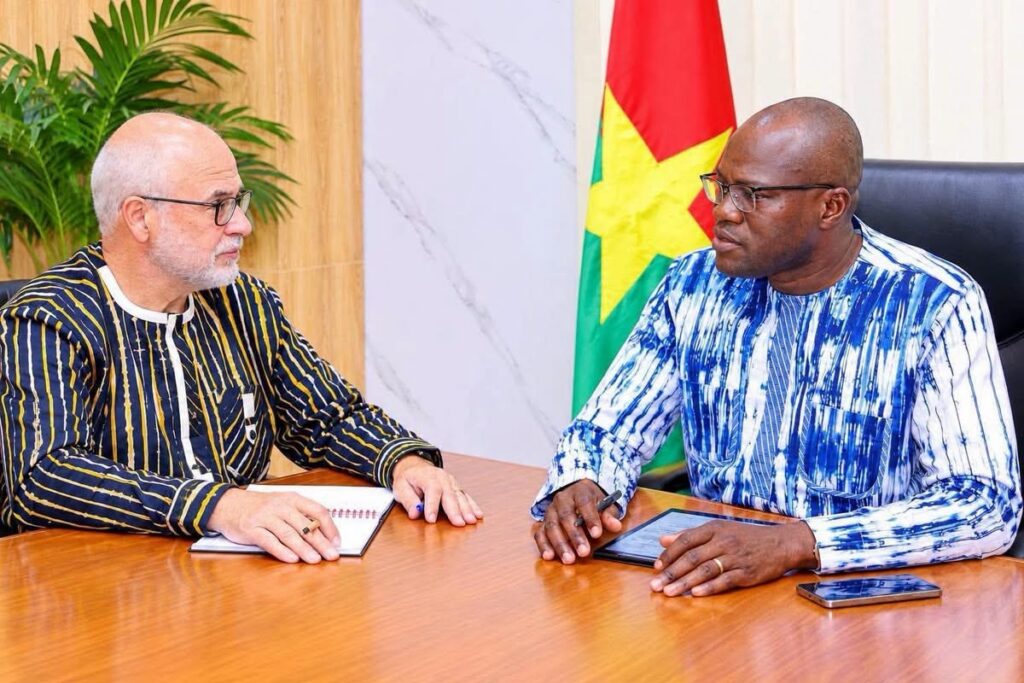
The November visit extended beyond financial agreements, with Traoré engaging European Union High Representative Kaja Kallas on November 4. Discussions centered on Burkina Faso’s evolving international partnerships and its strategic positioning within the Sahel region. The following day, bilateral talks with Prévot addressed regional security challenges and future collaboration frameworks.
These engagements underscore a critical reality: despite public challenges to Western influence—including the withdrawal of French military forces and strengthened ties with Moscow—Burkina Faso continues to pursue pragmatic diplomacy that balances ideological positioning with economic imperatives.
Can €40 million bridge the sovereignty paradox?
President Traoré’s administration has positioned national sovereignty as a cornerstone of its political narrative, challenging traditional Western partnerships while cultivating new alliances with non-Western actors. Yet, the Belgian financial commitment introduces a contradiction: How can a government vocal about distancing itself from former colonial powers still accept development aid from them?
Analysts suggest this reflects a nuanced approach—distinguishing between political rhetoric and operational necessity. By maintaining economic channels with Brussels while exploring alternative partnerships, Ouagadougou may be pursuing a calculated strategy to maximize resources without fully realigning with Western foreign policy expectations.
What’s next for Burkina Faso’s international relations?
The €40 million announcement does not conclusively indicate a diplomatic reorientation. Rather, it signals a willingness to sustain dialogue despite fundamental disagreements. For Belgium and the EU, continued engagement preserves influence in a strategically significant Sahel nation. For Burkina Faso, the priority remains securing external funding to address pressing socio-economic and security challenges.
Moving forward, several indicators will reveal the true direction of this relationship:
- Implementation timelines for the €40 million pledge
- Potential expansion of cooperation agreements
- Ouagadougou’s approach to future Western partnerships amid evolving geopolitical dynamics
For now, the Brussels visit has provided a momentary stabilization in relations—but the long-term trajectory hinges on whether this pragmatic approach can withstand both domestic political pressures and shifting regional alliances.