Israel is grappling with an unprecedented political crisis after legislative elections shifted the balance of power away from Prime Minister Benjamin Netanyahu’s governing coalition. The outcome of the tightly contested vote has left the Knesset without a clear majority, fueling intense public debate over the country’s democratic future and the next steps for its leadership.
Election results deal a severe blow to Netanyahu’s political dominance
The final tallies, certified by the Central Elections Commission, reveal a dramatic shift in Israel’s political landscape. Benjamin Netanyahu’s Likud party and its ultra-nationalist and religious allies have lost their absolute majority in the Knesset, dashing their hopes of forming a stable government:
- Parliamentary control slips away: The outgoing coalition falls short of the 61-seat threshold required to secure a governing majority, leaving key legislative decisions in limbo.
- Opposition forces gain ground: The centrist alliance, led by figures such as Gadi Eisenkot and Yair Lapid, has made substantial gains, further constraining Netanyahu’s maneuverability.
- Arab parties make historic gains: Increased voter turnout in Arab communities has bolstered the representation of Arab parties, reshaping the political equation and denying Netanyahu’s bloc the decisive seats it once relied on.
Netanyahu’s claims of electoral fraud spark backlash
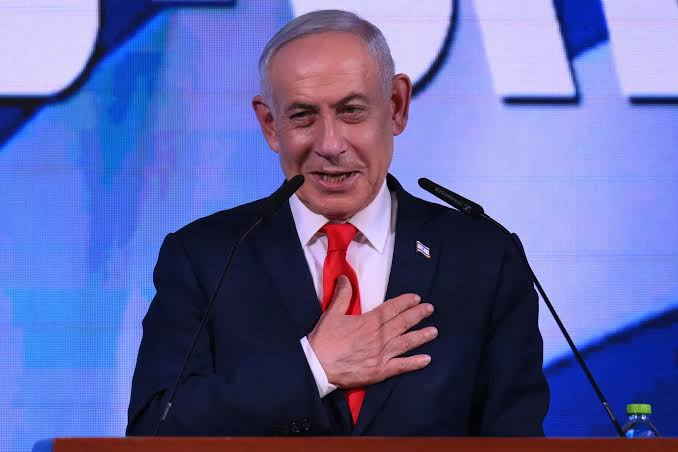
In the aftermath of the election, Benjamin Netanyahu swiftly challenged the legitimacy of the results. The Prime Minister alleged irregularities in vote counting, particularly in polling stations with high Arab voter participation, suggesting systemic fraud despite no evidence to support such claims.
The opposition response was swift and unequivocal. Leaders accused Netanyahu of attempting to undermine Israel’s democratic institutions by rejecting the electoral outcome:
« Questioning the will of the people the moment the ballots don’t go your way is not just irresponsible—it’s an attempted power grab against the very foundation of our democracy. »
Analysts warn that such rhetoric risks deepening political divisions and delaying the formation of a new government.
Israel faces a paralyzed government and uncertain future
The Central Elections Commission has dismissed allegations of widespread fraud, affirming the integrity of the vote. Yet, with no clear majority in sight, Israel is now trapped in a state of political paralysis, with two potential paths forward:
- Protracted coalition talks: Negotiations to forge a fragile alliance between competing factions could drag on for weeks or months, prolonging uncertainty.
- Risk of repeat elections: Given the country’s history of political instability, another round of early elections remains a looming possibility, further exhausting an already weary electorate.
What comes next for Israel’s fractured democracy?
The fallout from this election has exposed deep divisions within Israeli society. As political leaders scramble to secure alliances, the public is left questioning the stability of their government and the resilience of their democratic processes. The coming weeks will be critical in determining whether Israel can navigate this crisis—or whether it will plunge deeper into instability.
One thing is clear: the political earthquake of these elections has reshaped Israel’s future, leaving its leaders and citizens to confront the consequences of a fractured mandate.