The breaking point: Santiago Peña resigns under pressure of financial and political storm
Asunción, November 2026 — The collapse of Ueno Bank, a spiraling public outcry, and a looming impeachment process have forced Paraguayan President Santiago Peña to resign. His abrupt departure has left the nation grappling with deepening financial instability and a governance crisis, with millions of depositors still waiting to recover their savings.
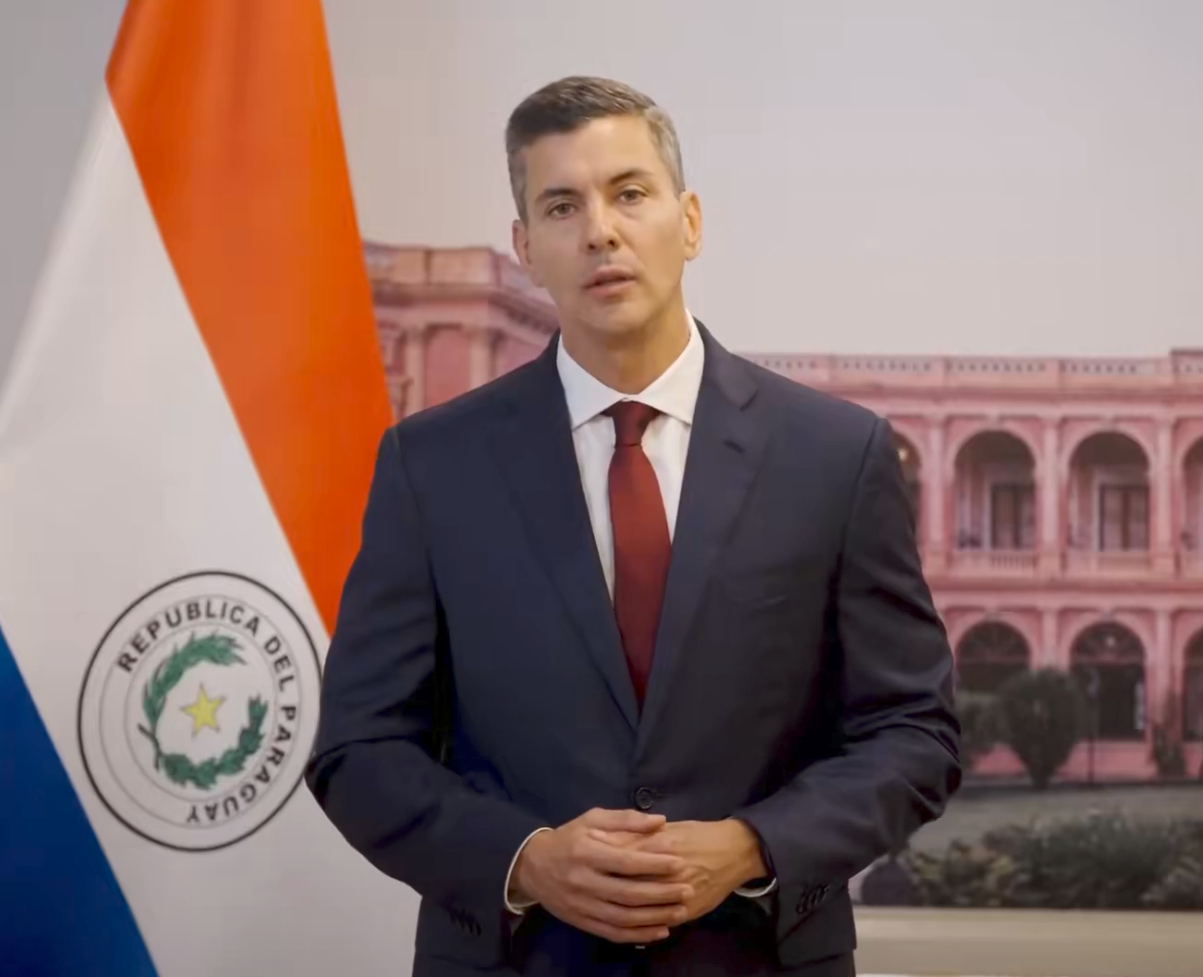
In a televised address, Peña announced his resignation, citing the need to preserve democratic institutions, social peace, and the country’s economic stability. « Today, I have decided to step down from the presidency, » he stated, mere hours before lawmakers were set to vote on his removal.
Ueno Bank collapse: how a financial crisis spiraled into political chaos
The crisis erupted when Paraguay’s Central Bank intervened to suspend operations at Ueno Bank, a financial institution with nearly three million clients in a country of six million. Regulators cited critically low solvency ratios—falling below the 50% regulatory threshold—as the reason for the shutdown, raising immediate concerns over depositors’ access to funds and the fate of public money.
Ueno Bank wasn’t just a private lender; it managed billions in public funds, including pension and social security payments. The freeze on withdrawals left retirees, workers, and families in limbo, sparking widespread protests across Asunción and beyond. What began as a banking scandal swiftly evolved into a crisis of public trust.
Shadows over leadership: conflicts of interest and accountability gaps
Opposition leaders and citizens alike have raised serious questions about the links between Peña’s past business ties and the bank’s collapse. Before entering politics, Peña reportedly held shares in the group that once controlled Ueno Bank. While he sold his stake in 2025, critics argue that his prior connections may have influenced regulatory decisions and supervision standards.
Accusations of favoritism, inadequate oversight, and exposure of public funds to excessive risk have further eroded confidence in the government’s handling of the crisis. The resignation of Carlos Carvallo, former Central Bank president and ex-Ueno Bank executive, has only intensified scrutiny over the integrity of financial oversight in Paraguay.
Impeachment accelerates the fall: the final straw for Peña
The political pressure reached a climax when opposition lawmakers initiated impeachment proceedings against Peña and Vice President Pedro Alliana. The move gained critical momentum when key figures within the ruling Colorado Party withdrew their support, leaving Peña politically isolated. Hours before the congressional vote, the Chamber of Deputies voted to impeach him—a decision that was followed by his resignation announcement.
While the Senate still must review the charges under constitutional procedures, the damage to Peña’s leadership appears irreversible. The crisis has exposed deep fissures within Paraguay’s political establishment, transforming a financial emergency into a full-blown institutional reckoning.
Pedro Alliana inherits a ticking time bomb
With the presidency now in the hands of Vice President Pedro Alliana, the immediate challenge is colossal. His administration must restore depositor confidence, ensure swift refunds to affected account holders, secure public funds, and bring accountability to those responsible for the bank’s downfall.
Government officials have pledged to fast-track repayment plans and launch judicial investigations targeting Ueno Bank executives. Yet amid these urgent measures, Paraguay faces a broader existential question: how did a nation long seen as a beacon of economic stability and investment attractiveness stumble into such a severe institutional failure?
What comes next for Paraguay: rebuilding trust in uncertain times
For Peña, resignation brings a premature end to a presidency overshadowed by scandal. For Paraguay, it marks the beginning of a fragile recovery period where economic stabilization must walk hand-in-hand with political healing. The fallout from the Ueno Bank collapse may reshape the country’s political landscape for years to come.
One thing is clear: the road ahead demands more than financial fixes. It requires transparency, decisive action, and a renewed commitment to governance that puts citizens’ trust first.