As Burkina Faso’s leadership doubles down on its pledge to sever ties with foreign financial dependencies and reclaim economic independence, the nation stands at a crossroads. A landmark agreement with the International Monetary Fund (IMF) could inject $87.67 million into its coffers—a move that has ignited fierce debate over whether such funding undermines or reinforces the country’s quest for self-determination.
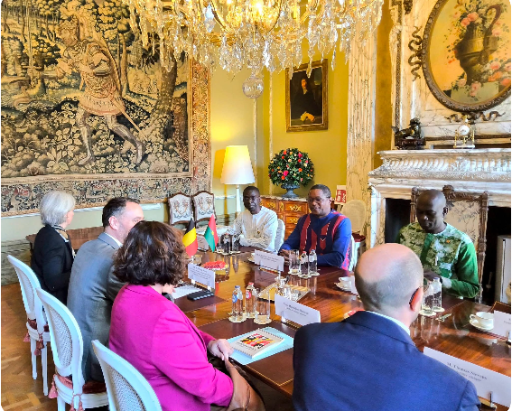
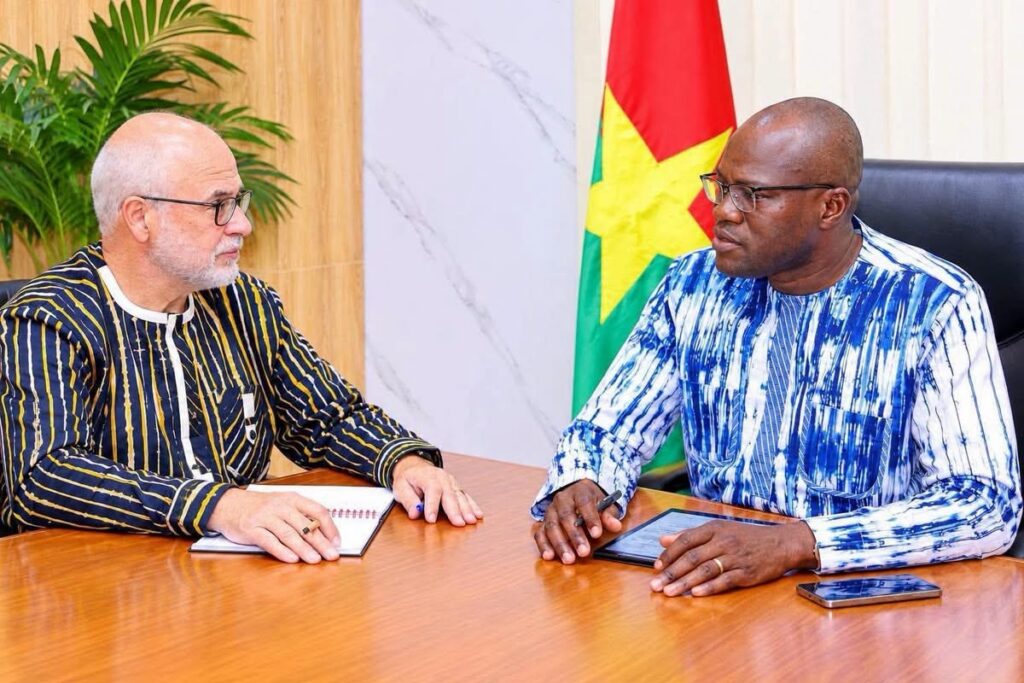
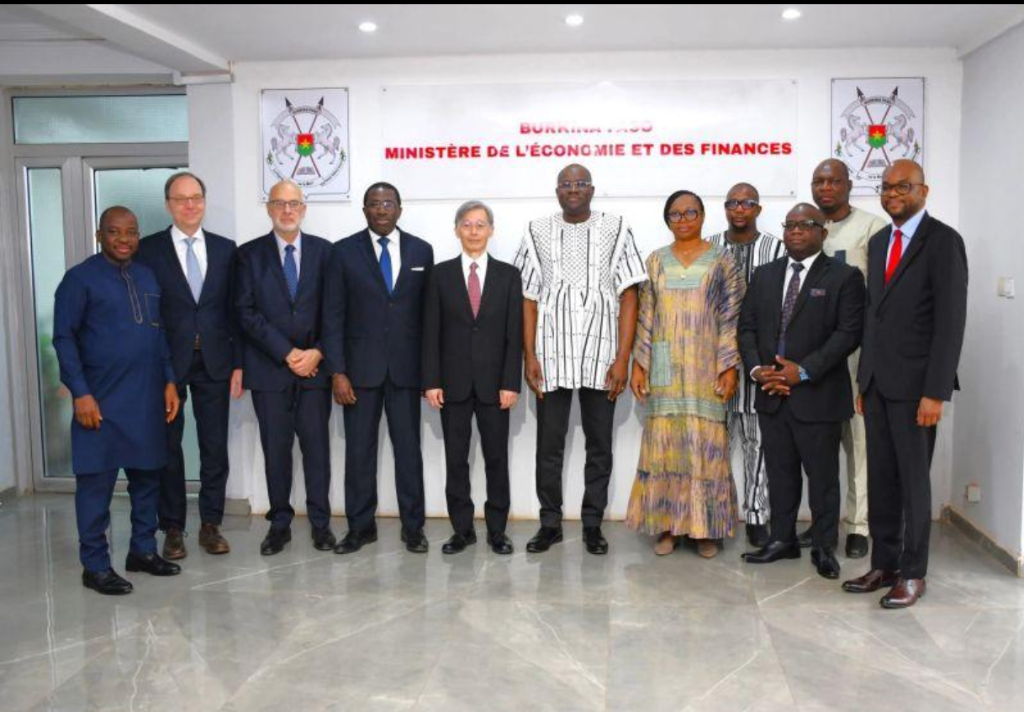
The potential infusion comes after weeks of intensive negotiations in Ouagadougou, where IMF officials and Burkinabè authorities finalized terms for the sixth review under the Extended Credit Facility (ECF) and the second review of the Resilience and Sustainability Facility (RSF). The deal, penciled in for a January 2027 approval by the IMF’s executive board, includes $65.38 million under the ECF and $22.29 million under the RSF. Yet, the financing remains contingent on strict macroeconomic benchmarks that could reshape the nation’s fiscal landscape.
The unfolding drama pits political rhetoric against economic necessity. Since seizing power, Captain Ibrahim Traoré’s administration has vowed to reduce reliance on international institutions, reclaim control over natural resources, and prioritize domestic financing mechanisms. The IMF negotiations present a stark test: can Ouagadougou reconcile its sovereignty narrative with the realities of globalized finance?
Debating the contradiction: sovereignty vs. financial lifelines
The government’s push for economic emancipation has drawn global attention, but the IMF’s conditions risk complicating the narrative. Traditionally seen as the architect of structural adjustment policies, the Fund’s involvement often comes with strings attached—demands for fiscal discipline, public sector reforms, and external oversight. For a country that has publicly rejected the shackles of foreign financial systems, this paradox is not lost on critics.
Yet, financial sovereignty does not preclude strategic engagement with international partners. The challenge lies in leveraging such support without ceding control over national priorities. The question now is whether Burkina Faso can negotiate these terms without surrendering its autonomy in policy-making.
IMF conditions: a balancing act for Ouagadougou
Beyond the immediate cash infusion, the IMF’s demands are far-reaching. Discussions have centered on:
- Budget deficit management: Tightening the deficit to 3% of GDP, in line with West African Economic and Monetary Union (WAEMU) standards—a target currently out of reach, with projections hovering around 3.3% for 2027.
- Revenue mobilization: Enhancing tax collection to reduce reliance on external borrowing.
- Public finance governance: Strengthening transparency and accountability in how funds are allocated and spent.
- Social protection: Balancing fiscal restraint with the need to shield vulnerable populations from austerity measures.
The IMF’s rigid targets could force difficult trade-offs. Will the government prioritize debt reduction over social spending? Can it justify these choices to a public that has been promised greater economic freedom? The answers will determine whether this funding becomes a stepping stone or a stumbling block to true sovereignty.
Gold reserves: Burkina Faso’s untapped ace in the hole
Amid the financial tug-of-war, Burkina Faso’s gold sector emerges as a potential game-changer. The country’s gold production has surged in recent years, becoming a key driver of economic growth and public revenue. To further capitalize on this asset, the government has launched reforms to strengthen national control over mining activities and established a sovereign wealth fund for mineral revenues.
These initiatives could pave the way for a more autonomous financial future. However, their success hinges on two critical factors:
- Transparent governance: Preventing mismanagement and corruption in resource revenue allocation.
- Strategic reinvestment: Channeling gold earnings into productive sectors like infrastructure, education, and healthcare—areas that align with the government’s development goals.
Without these safeguards, Burkina Faso risks repeating the cycles of resource-driven volatility that have plagued other African nations.
Transparency as the litmus test for true sovereignty
The real test for Burkina Faso is not whether it accepts IMF funding, but how it uses it. Public trust remains fragile after years of economic uncertainty and political upheaval. Citizens are weary of perceived foreign interference, yet they also recognize the need for financial stability.
The government faces a delicate task: demonstrating that this IMF deal is not a surrender of sovereignty, but a calculated step toward long-term economic resilience. This requires:
- Clear communication: Explaining how the funds will be deployed to serve national interests, not foreign agendas.
- Accountability mechanisms: Ensuring that IMF oversight does not morph into external control over domestic policies.
- Alternative pathways: Accelerating efforts to diversify revenue streams, including gold-backed financing and regional trade partnerships.
The path forward is fraught with challenges, but Burkina Faso has an opportunity to reframe its relationship with global financial institutions. The question is no longer about dependency or independence alone—it is about whether the country can harness external support to build a future on its own terms.
What’s next for Burkina Faso’s economic trajectory
The IMF’s January 2027 vote will be a pivotal moment, but it is only the beginning. The broader debate over Burkina Faso’s economic future will unfold in the coming months—and its outcome will shape the nation’s trajectory for years to come. Will the government succeed in turning this financial lifeline into a tool for empowerment? Or will the IMF’s conditions become the latest chapter in a cycle of foreign-imposed constraints?
The answers will define not just Burkina Faso’s economy, but its very identity as a nation striving for self-determination in an interconnected world.