From expulsion to enlistment: A controversial proposal raises alarms
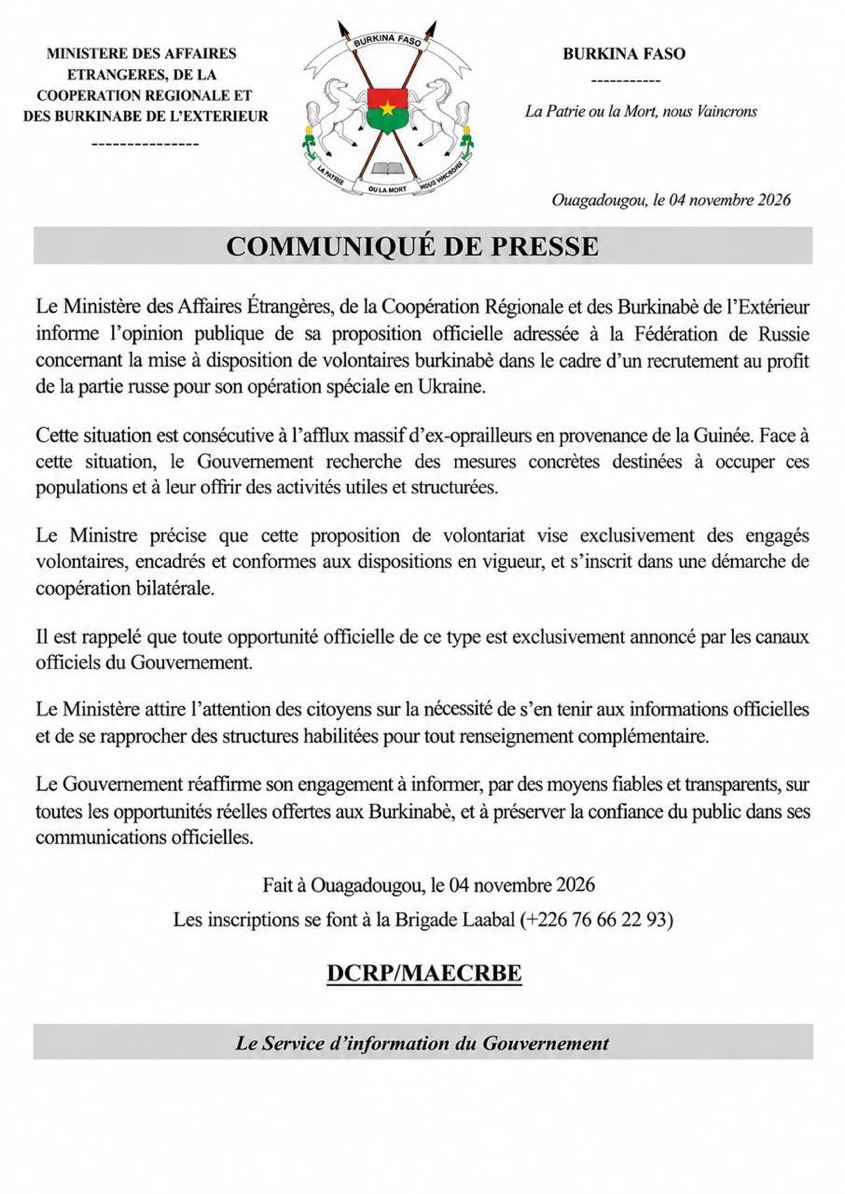
A shadowy cooperation between Burkina Faso and Russia could be unfolding, with Ouagadougou reportedly offering Moscow the services of expelled Guinean miners as potential recruits for the war in Ukraine. This alleged proposal, which blurs the lines between humanitarian assistance and military recruitment, has ignited a fierce debate over the ethical and legal implications of such an arrangement. As fallout from the geopolitical maneuvering emerges, questions abound about the fate of these vulnerable individuals and the motivations behind their mobilization.
Who are the miners at the center of this controversy?
Reports indicate that the individuals in question are Burkinabè nationals who were previously engaged in clandestine gold mining operations in Guinea before being forcibly expelled. Their abrupt return to Burkina Faso, often under precarious circumstances, has left many in a state of economic desperation a vulnerability that critics argue could be exploited to fuel military recruitment.
With limited economic opportunities and few prospects for reintegration, these expelled miners represent a demographic highly susceptible to coercive or misleading recruitment tactics. Their circumstances have raised concerns that their vulnerabilities may be weaponized to swell the ranks of foreign armies, far from their home soil.
Moscow’s military needs and Ouagadougou’s strategic calculus
The backdrop to this controversy is the deepening partnership between Burkina Faso and Russia, which has seen the deployment of Russian paramilitary personnel in the West African nation. While Ouagadougou frames this collaboration as a path to greater sovereignty and independence from Western influence, the potential involvement of Burkinabè citizens in the Ukraine war introduces a troubling dimension to the alliance.
Urgent questions persist about whether these expelled miners are being groomed as cannon fodder for a distant conflict. With Russia facing significant manpower shortages in Ukraine, the recruitment of foreign volunteers particularly those in dire economic straits could provide a strategic advantage. Yet, the ethical and humanitarian costs of such a gambit remain disturbingly unclear.
Unanswered questions overshadow the initiative
This proposed arrangement raises critical concerns that demand transparent answers. Who initiated the proposal to send these miners to Ukraine? How are they being transported and regrouped in Ouagadougou? Under what conditions might they be recruited, and what guarantees exist for their safety and rights? Most pressingly, was their consent sought with full disclosure of the risks involved?
Without clarity on these fronts, the initiative risks becoming a hollow exercise in political posturing, with vulnerable individuals bearing the brunt of the consequences. The absence of robust safeguards or legal protections for the recruits underscores the perilous nature of this cooperation.
Sovereignty vs. accountability: A dangerous gamble
The Burkinabè government has championed its pivot toward Russia as a bold assertion of national sovereignty. However, sovereignty cannot be reduced to the rejection of old alliances alone it must also encompass the protection of citizens and the ethical governance of military engagements abroad. The potential deployment of Burkinabè nationals to a foreign battlefield raises profound questions about accountability and the true cost of this strategic partnership.
Human rights advocates and political analysts alike warn that the recruitment of economically desperate individuals for military service abroad could violate international norms. Consent in such cases is often compromised by necessity, rendering any
By Ousmane Tandja — Journalist