The termination of the United Nations Mission for the Referendum in Western Sahara (MINURSO) came as a shock to many, with the UN Security Council opting not to renew its mandate on October 30. Confirmation of the mission’s wind-down arrived on November 1, signaling the imminent departure of 359 civilian and military personnel—first deployed in 1991. The backdrop remains a half-century conflict: Morocco controls 80% of Western Sahara, while the Polisario Front, backed by Algeria, contests its sovereignty.
Why the sudden end of MINURSO exposes deeper tensions
The MINURSO withdrawal isn’t just bureaucratic—it’s a geopolitical turning point. Diplomatic observers argue the absence of UN oversight removes a stabilizing mechanism, potentially emboldening Morocco to assert control over the remaining 20% of Western Sahara, currently held by the Polisario Front. Such a move could reignite hostilities with Algeria, destabilizing a region already on edge, warns Ignacio Cembrero, a seasoned analyst of Spanish-Moroccan relations.
Spain, despite its 2022 endorsement of Morocco’s autonomy plan, faces an uncertain future. Without MINURSO’s framework to mediate, the risk of militarization grows, with ripple effects across North Africa and Europe. The vacuum left by the UN team could become a breeding ground for escalation, where every action sparks reactions from opposing factions.
Western Sahara’s shadow over the Canary Islands
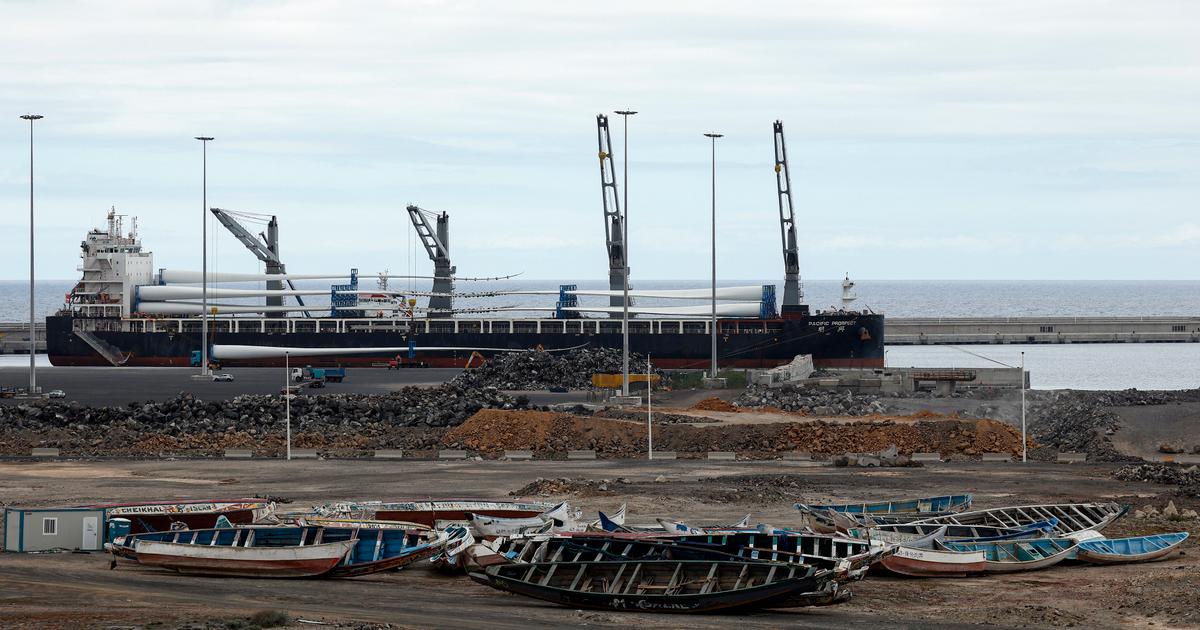
The Canary Islands now sit at the frontline of potential fallout. Historically a hotspot for irregular migration, the archipelago saw over 46,000 arrivals in 2024 alone. Analysts warn the MINURSO withdrawal could trigger a fresh wave of crossings, driven by shifting power dynamics in Western Sahara. Morocco may weaponize migration flows, using irregular departures to pressure Spain into concessions—such as relinquishing control of Western Saharan airspace from the Las Palmas airport.
Hugh Lovatt, a policy advisor at the European Council on Foreign Relations, highlights a broader European predicament. Beyond Spain, the continent faces collateral damage: strained energy supplies, disrupted trade routes, and a resurgence of migration pressures. The end of MINURSO isn’t an isolated event—it’s a catalyst for systemic risks across the EU.
The stakes for Europe’s energy and migration crises
- Energy vulnerabilities: Western Sahara’s phosphate reserves—vital for EU agriculture—are now at risk of disruption amid rising tensions.
- Migration governance: The Canary Islands could see a surge in departures, testing Europe’s asylum systems and solidarity mechanisms.
- Regional integration: The Polisario-Algeria-Morocco triangle complicates trade agreements and security cooperation in the Maghreb.
What comes next for Western Sahara?
The clock is ticking for Madrid and Brussels. The UN’s exit leaves a power vacuum, and Morocco’s next steps—whether military or diplomatic—will dictate the region’s trajectory. Spain, caught between its Moroccan ally and European obligations, must navigate a high-stakes balancing act. Failure to adapt could plunge the Canary Islands and the continent into uncharted territory, where crises multiply and solutions remain elusive.