The unaddressed roots of Cameroon’s anglophone crisis
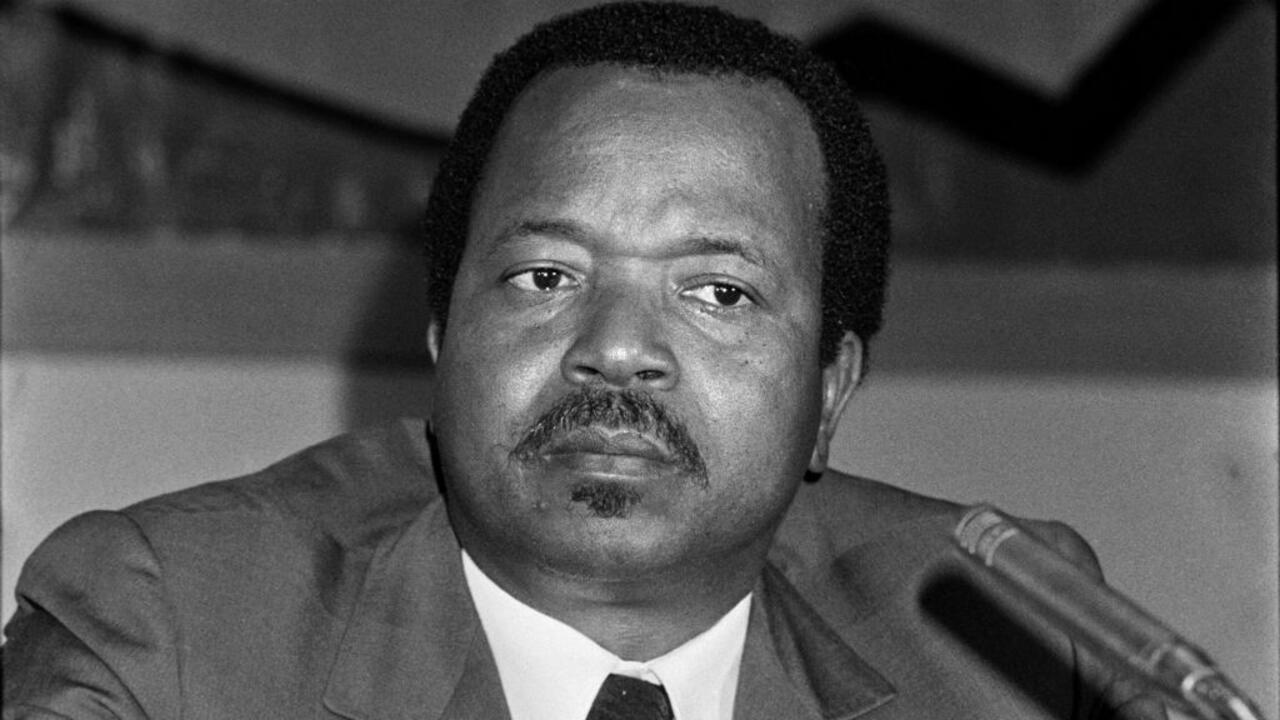
Decades of unheeded warnings have shaped the trajectory of Cameroon’s anglophone crisis into a full-blown conflict. A prominent member of the Social Democratic Front (SDF), Dieudonné Chi, has publicly highlighted the government’s historical connection to the issue—underscoring how inaction transformed a long-standing grievance into a national emergency. According to Chi, President Paul Biya’s early career involvement in anglophone matters offers more than just context; it reveals a deep familiarity with the problem that later escalated under his leadership.
The referendum of 1972: a turning point ignored
In 1972, a referendum consolidated Cameroon into a single state, sidelining anglophone aspirations for federalism. Years later, Biya served on a commission tasked with examining anglophone concerns under President Ahmadou Ahidjo. Yet despite this involvement, the situation worsened under his administration, morphing from a simmering dispute into violent conflict. The consequences have been severe: thousands of lives lost, over a million internally displaced persons, and devastating economic repercussions across the country.
Frustration and separatist sentiment
Chi emphasized that prolonged frustration among anglophone populations has fueled separatist ambitions. He noted that many imprisoned individuals turned to separatist rhetoric only after enduring years of marginalization, poor governance, and unmet political promises. These detainees—held under charges ranging from civil disobedience to alleged terrorism—represent, in Chi’s view, the human cost of systemic failure.
Prisoners of conscience: the moral and political imperative
Calling for their immediate release, Chi framed the detention of political prisoners as both a moral stain and a strategic misstep. At 93 and in the final chapter of his presidency, he argued, President Biya’s legacy hinges on addressing this injustice. Chi urged the president to demonstrate leadership by fulfilling his responsibilities before leaving office, asserting that releasing detainees could serve as a crucial step toward reconciliation.
A broken consensus and electoral integrity
Reflecting on Cameroon’s political evolution, Chi traced the roots of division to recurring electoral controversies. Since the return to multiparty politics in 1990, recurring disputes over vote credibility have eroded public trust in institutions. Instead of fostering consensus, electoral reforms have repeatedly favored the status quo, leaving grievances unaddressed and tensions unresolved. Without genuine political compromise, the cycle of protest and crackdown continues—deepening societal rifts.
The path forward: reconciliation through justice
Chi insisted that the road to national healing begins with justice. Releasing political prisoners—especially those from the Northwest and Southwest regions—would signal a commitment to accountability and inclusivity. Such a move, he argued, could help dismantle separatist narratives by addressing the root causes of discontent: poor governance, marginalization, and electoral distrust. Without these concessions, the government risks perpetuating a conflict that has already reshaped Cameroon’s social and economic landscape.
This analysis underscores how decades of neglect and miscalculated policies have driven Cameroon to the brink—making reconciliation not just desirable, but essential for long-term stability.