Ivory Coast has adopted a bold stance against illegal gold mining, a scourge plaguing its rural regions for over a decade. The recent wave of expulsions targeting unauthorized artisanal miners underscores a pivotal shift in Abidjan’s mining policy, as authorities grapple with reconciling the expansion of formal extractive industries with the protection of agricultural basins. While the move carries significant social costs, the government defends its necessity in response to the widespread environmental degradation affecting soils, waterways, and farmlands.
Why illegal gold mining clashes with Ivory Coast’s agricultural economy
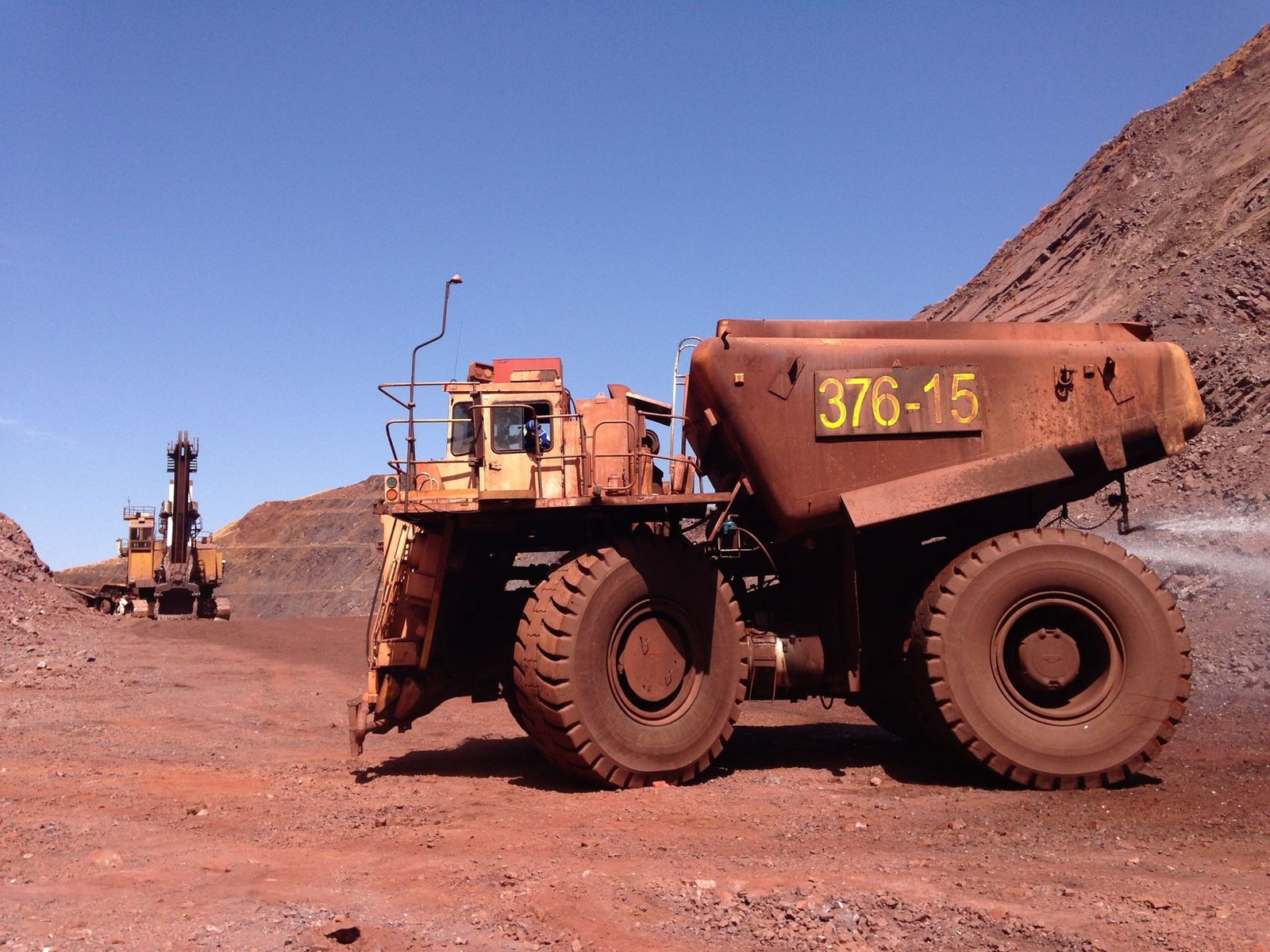
As the world’s top cocoa producer, churning out around 2.2 million tonnes annually, Ivory Coast cannot sustain the coexistence of its orchards with informal gold extraction activities that poison groundwater supplies. Unregulated mining sites rely heavily on mercury and cyanide—substances whose unchecked use contaminate rice paddies, rubber plantations, and cocoa farms. Regions in the west and north, including Bouaflé, Hiré, Bouna, and Kong, have witnessed vast stretches of arable land reduced to gaping, muddy craters.
The consequences extend beyond environmental damage. Ivory Coast estimates that illegal gold mining costs the state billions of CFA francs in lost tax revenue each year, a sharp contrast to the 48 tonnes of gold officially produced by industrial mines in 2023. To this financial drain, the government adds security concerns: clandestine sites fuel trafficking networks, facilitate arms circulation, and create lawless zones along the northern borders, compounded by the rising jihadist threat from the Sahel.
The roots of a regional crackdown on illegal gold operations
Ivory Coast’s decisive action is not an isolated move but part of a broader West African trend of tightening control over informal gold mining. Burkina Faso has escalated site closures since 2022, framing these operations as critical to cutting off funding sources for armed groups. Mali expelled foreign miners—including dozens of Chinese nationals—following the deadly January 2025 accident in Kéniéba, which claimed over 40 lives. Guinea, too, has intensified oversight in Siguiri Prefecture, a longstanding hotspot for subregional artisanal mining.
This unified approach reflects a shared reckoning: gold, whose price surpassed $2,700 per ounce in 2024, draws a transient workforce that states struggle to regulate. Burkinabè, Malian, Nigerien, Guinean, and Ghanaian miners traverse borders chasing rumors of new deposits, often accompanied by Asian operators equipped with semi-industrial machinery. Confronted with these dynamic networks, national legal frameworks—originally designed for large-scale mining giants—prove woefully inadequate.
Abidjan’s high-stakes gamble in the fight against illegal gold mining
By initiating expulsions, Ivory Coast is making a calculated but risky wager. Informal gold mining directly and indirectly sustains hundreds of thousands of livelihoods in affected areas. Past eviction campaigns between 2014 and 2018 by Ivorian authorities resulted in the rapid relocation of miners to new sites, as no viable alternatives were provided for local populations. The Ministry of Mines reported shutting down over 300 illegal operations during that period, yet failed to curb the practice sustainably.
The success of the current offensive hinges on Abidjan’s ability to balance repression with formalization. Since 2014, Ivory Coast has had a legal framework for semi-mechanized artisanal mining, yet the number of permits issued remains minimal compared to the economic pressure driving the sector. Without a robust social component—including agricultural retraining programs and a sustained deployment of mining police—the risk is high that the operation merely relocates the problem rather than resolving it. The battle against illegal gold in Ivory Coast will unfold not just in the field, but in the halls of legislation.