The Cameroonian government has approved a landmark deal allowing Prometal, the country’s leading steel manufacturer and a key player in Central Africa’s metals sector, to secure 90 megawatts of direct electricity supply from the Electricity Development Corporation (EDC). Final contract signings will follow a week-long negotiation phase scheduled from June 8 to 12, 2026, within the offices of the Prime Minister in Yaoundé. A directive dated June 1, 2026, signed by Secretary-General Séraphin Magloire Fouda and addressed to Minister of Water and Energy Gaston Eloundou Essomba, outlines the implementation roadmap.
Second industrial giant taps into Cameroon’s hydroelectric resources
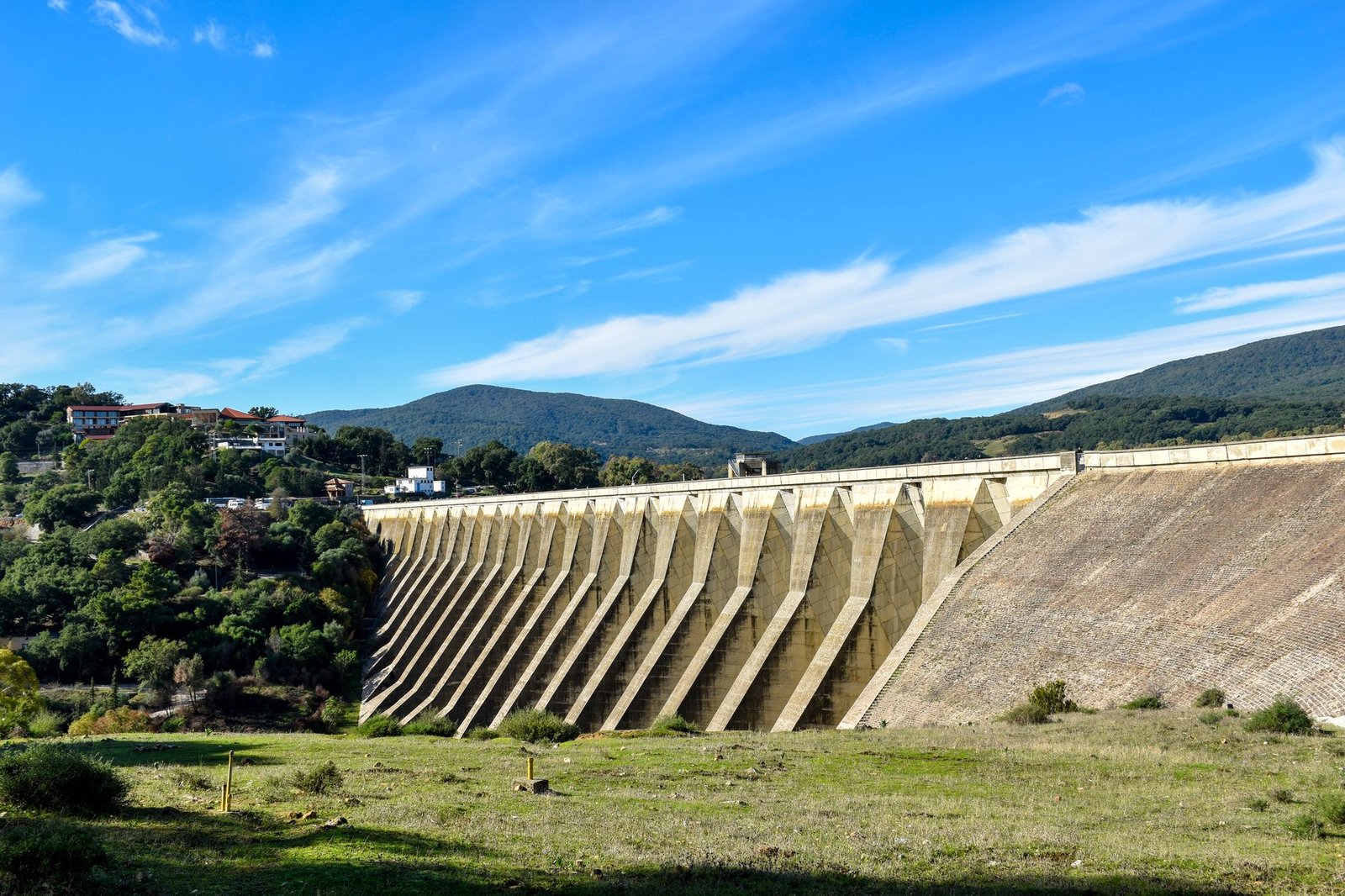
During the upcoming talks, both parties will finalize the pricing structure agreed upon in February 2025 and draft definitive contract documents. Two key agreements will be signed: a supply contract between EDC and Prometal, and a compensation agreement between EDC and Socadel, the newly restructured entity formed from Eneo’s transformation. Once executed, Prometal will join the exclusive list of Cameroonian industries sourcing electricity directly from dams—following the Cameroon Aluminium Company (Alucam), the nation’s largest single electricity consumer, which draws power directly from the Edéa dam, part of Socadel’s portfolio. Prometal, however, will be supplied from EDC-operated facilities, including the Lom Pangar dam and its 30 MW foot-of-dam plant, and the Memve’élé dam, with a peak output of 211 MW.
The precedent set by Alucam has significantly shaped this arrangement. Once responsible for up to 40% of Cameroon’s total electricity output, Alucam remains directly connected to the Edéa dam infrastructure—a setup that has now been transferred to Socadel’s management. Prometal’s integration into EDC’s network underscores a strategic shift toward diversifying energy sourcing for major industrial players.
Energy demand surges as Prometal expands operations
This direct supply agreement aligns with Prometal’s aggressive growth trajectory. Operating five facilities in the Douala-Bassa industrial zone—Prometal 1, 2, 3, Profab, and Progaz—the company’s energy consumption has skyrocketed from 26 MW in 2024 to 40 MW in 2025. Forecasts project a further rise to 60 MW in 2026 and 90 MW by 2027, driven by the launch of Proalu, a sixth plant dedicated to aluminum sheet and electrical cable production.
For a heavy industry like Prometal, securing reliable, cost-effective power is not just beneficial—it’s essential. The traditional grid, plagued by persistent inefficiencies across generation, transmission, and distribution, could no longer support such rapid load growth without jeopardizing production lines. Direct supply from EDC introduces a pricing model tied to water rights, bypassing the downstream segments that have historically bottlenecked supply.
EDC leverages deal to fund new energy projects
While EDC has framed the agreement as a strategic infrastructure move, the financial implications are undeniable. EDC’s revenue model depends on water royalties, with earnings reinvested into new projects. However, persistent payment delays from Socadel, its long-time anchor client, have strained liquidity. Prometal’s entry as a creditworthy counterparty injects much-needed stability into EDC’s cash flow. Insiders point to several pending initiatives now poised for advancement: the 400 MW expansion of the Mbakaou plant, the second phase of the Memve’élé dam, and a proposed 50 MW solar facility at the Memve’élé site.
The financial footprint of Prometal in Cameroon’s electricity sector is substantial. Between 2016 and 2025, the company paid a total of 42 billion FCFA in electricity bills to Eneo (now Socadel) and the National Electricity Transport Company (Sonatrel), averaging 4.2 billion FCFA annually. Redirecting these payments toward EDC could reshape the dynamics among sector players and accelerate the rationalization of the country’s energy infrastructure.