In a bold call for national unity, the Pan-African Platform for Women and Youth for Peace, Democracy and Governance (2PFJ) has urged Côte d’Ivoire to prioritize an inclusive, participatory political dialogue as the cornerstone of sustainable electoral reform. The appeal comes in a formal statement issued to local media on July 21, 2026, emphasizing the urgent need to heal social and political divides before advancing any structural changes to the electoral system.
Why electoral reform demands more than technical fixes
The 2PFJ argues that electoral governance reform is not merely a procedural task—it is a foundational pillar of democratic stability. In their assessment, the current socio-political climate in Côte d’Ivoire remains scarred by past crises, which continue to cast a shadow over public trust in institutions. A superficial information session, they warn, will not suffice to rebuild that trust or ensure long-term legitimacy.
Instead, the organization advocates for a negotiated framework that brings together all national stakeholders—government, opposition, civil society, women’s groups, and youth organizations—in a structured dialogue. This approach, they assert, is the only way to design an electoral management body that commands broad consensus and reflects the will of the people.
A roadmap for consensus-driven reform
To operationalize this vision, the 2PFJ proposes the creation of joint technical commissions composed of representatives from the government, opposition parties, and civil society. These bodies would be tasked with defining the mandates, financial autonomy, and independence of the proposed electoral bodies—or any alternative institutional model that emerges from the process.
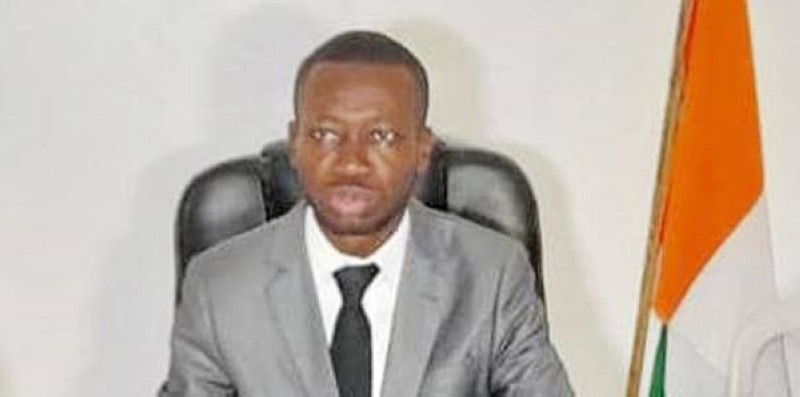
The platform’s recommendations are outlined in a statement signed by Jean-Martial N’Guessan, Chair of the 2PFJ Board of Directors. Key priorities include:
- Trust-building measures: Immediate release of individuals detained for politically motivated reasons and facilitated return of exiles.
- Inclusive representation: Ensuring women and youth organizations have a meaningful voice in the governance of future electoral institutions.
- Citizen oversight: Strengthening civic monitoring mechanisms to prevent electoral disputes and promote peaceful participation.
From division to collective progress
The 2PFJ acknowledges the deep wounds left by past electoral conflicts in Côte d’Ivoire. Yet, it also points to the nation’s proven resilience in moments of crisis, recalling how Ivorians have historically overcome divisions when national cohesion is at stake.
In their view, the current electoral reform process represents more than a bureaucratic exercise—it is a rare opportunity to unite the country around a shared vision: a Côte d’Ivoire that is stable, peaceful, and prosperous. They urge all stakeholders to seize this moment not through coercion, but through open, transparent, and inclusive negotiation.
The call comes on the heels of a high-level government forum held on June 22, 2026, under the leadership of Prime Minister Robert Beugré Mambé. Described as an “extended information session,” the meeting convened political parties and civil society groups to explore pathways for electoral reform. While framed as a consultative gathering, the 2PFJ insists that real progress will require deeper commitment to dialogue and compromise.
The organization’s message is clear: Côte d’Ivoire stands at a crossroads. The path chosen today will determine whether the next elections are a source of renewed division—or a foundation for lasting democracy.