Bénin governance reforms: balancing progress and human development
On July 23, 2026, Cotonou became the epicenter of a pivotal social conference organized by the Institut des artisans de justice et de paix (IAJP). The event brought together religious leaders, political figures, and key stakeholders to deliberate on a pressing theme: “Rule of law and political alternation in Africa: a critical challenge for stability and development.”
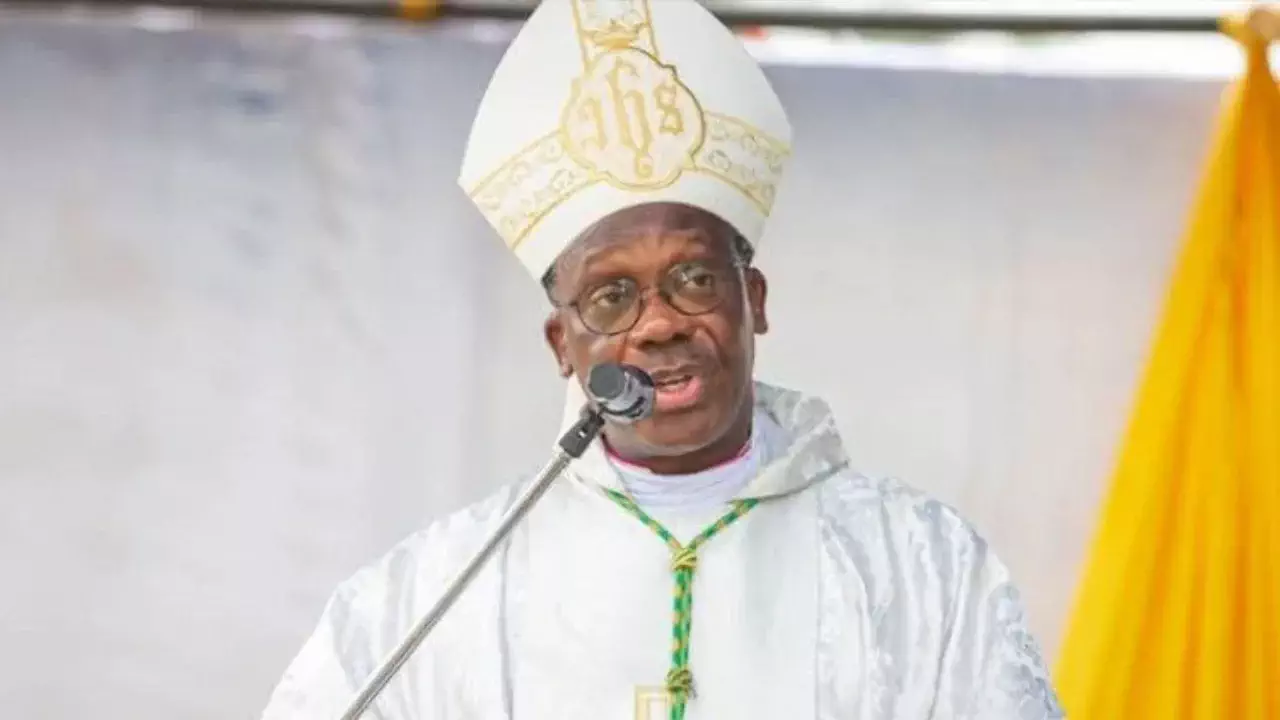
Archbishop Houngbédji’s vision for sustainable growth
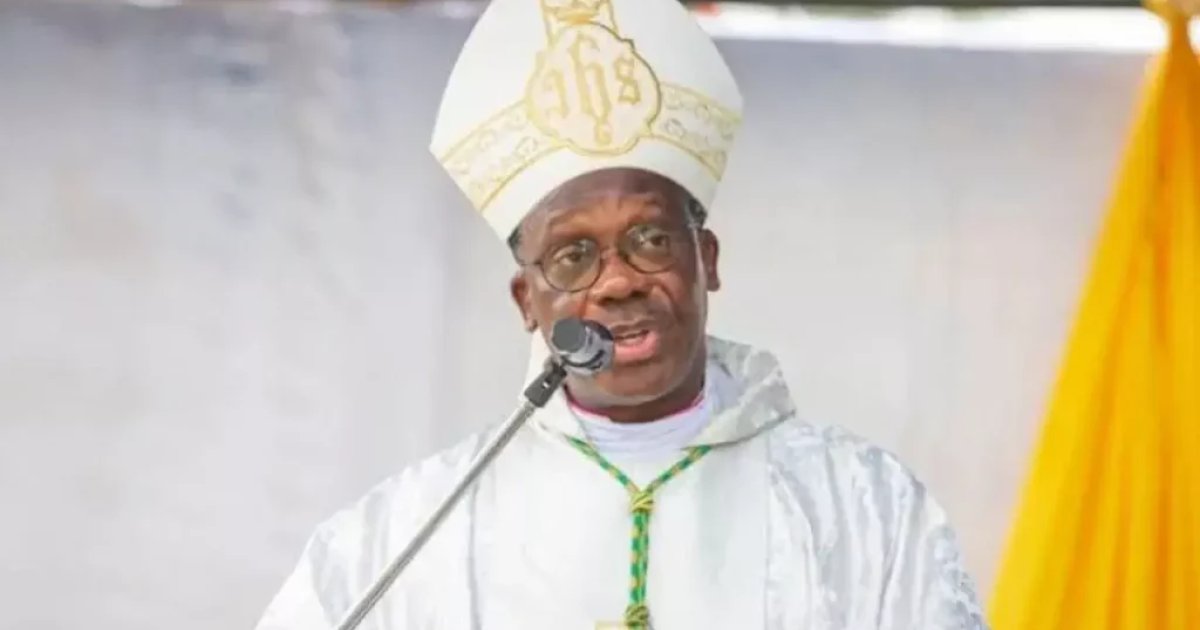
Addressing the assembly, Archbishop Roger Houngbédji, Metropolitan Archbishop of Cotonou and President of the Bénin Episcopal Conference, emphasized that Africa’s long-term development hinges on two pillars: robust institutions and economic prosperity. He called for African nations to prioritize the strengthening of rule of law, transparent governance, and an independent judiciary to foster lasting stability.
Bénin’s progress: a model with room for improvement
The Archbishop highlighted Bénin’s recent strides in economic and judicial reform. He commended initiatives such as the establishment of the Commercial Court, modernization of business laws, and the creation of the Court for the Repression of Economic and Terrorist Offenses (Criet). These measures have significantly enhanced the country’s standing in global rankings.
However, he cautioned against over-reliance on economic metrics alone. Houngbédji stressed that public freedoms, judicial independence, and democratic consolidation remain critical areas requiring urgent attention. A nation’s true progress, he argued, cannot be measured solely by financial performance but must also reflect the protection of fundamental rights.
Human development: the cornerstone of progress
Drawing from the Catholic Social Doctrine, the Archbishop championed the concept of integral human development. He urged policymakers to transcend short-term economic gains and instead design policies that uplift citizens’ daily lives, uphold social justice, and safeguard individual dignity. This holistic approach, he asserted, is essential for achieving meaningful and equitable growth.
The Church’s role in fostering peace and dialogue
Houngbédji also underscored the Church’s historical role as a mediator during political tensions in Bénin. From the 2019 post-election crisis to pre-2026 general elections calls for dialogue, the Church has consistently worked to ease tensions and promote national reconciliation—without overstepping its constitutional boundaries. Its mission, he noted, is to complement rather than replace state institutions, ensuring stability through peaceful engagement.
A call to action for African leaders
In his concluding remarks, Archbishop Houngbédji urged African leaders to harmonize economic efficiency with justice, pluralism, and respect for fundamental rights. He framed these elements as non-negotiable prerequisites for the continent’s successful development journey. The conference served as a reminder that progress must be both measurable and humane, ensuring no citizen is left behind in the pursuit of a brighter future.