Public backlash grows as Niger gears up for massive financial influx without accountability
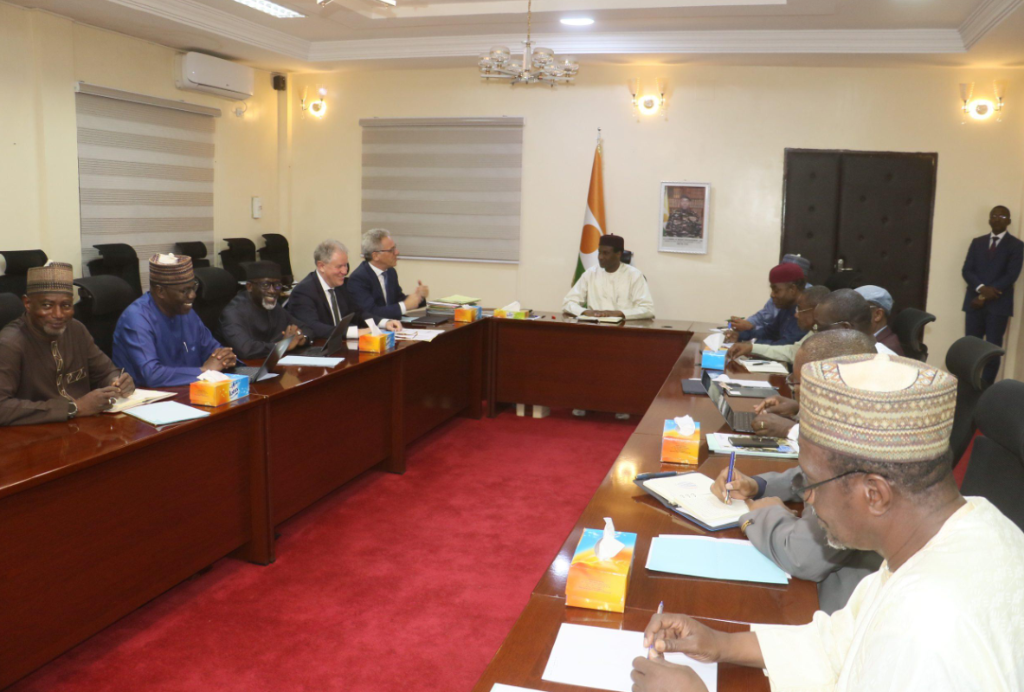
Niger is set to receive a significant financial boost of $760 million from the World Bank, but concerns are mounting over how the funds will be managed amid plummeting transparency scores. With its 2025 Open Budget Index score dropping to just 6 out of 100—down from 33 in 2023—the country faces mounting pressure to address governance challenges before the funds are disbursed. The announcement, made during a high-profile event in Niamey, underscores a critical question: Can Niger ensure these funds are used effectively, or will they become another case of misused public resources?
Dwindling transparency raises red flags
According to the International Budget Partnership, Niger’s budget transparency score has collapsed to 6/100 in the latest assessment, a stark contrast to its 2023 ranking of 33/100. This dramatic decline places Niger among the worst performers globally, far below the 61-point threshold needed for meaningful public fiscal debate. The situation is even more alarming when examining participation and oversight indicators, both of which registered a score of 0/100.
These figures are not just data points—they reflect a systemic failure in public financial oversight. Citizens lack access to budgetary information, face restrictions on providing input, and have no mechanisms to hold officials accountable for spending decisions. As Niger prepares to receive a new influx of funds, the question remains: Who will ensure these resources are used as intended?
Eroding civic space compounds governance risks
The timing of this financial pledge is particularly concerning given the tightening civic environment. Independent media outlets face increasing restrictions, civil society organizations struggle to operate freely, and critical voices are often silenced. These developments weaken the very institutions that should scrutinize public spending and prevent mismanagement.
A society that curtails freedom of expression and stifles accountability mechanisms risks more than just democratic erosion—it risks squandering valuable resources. Without independent oversight, the likelihood of corruption, inflated project costs, and misallocated funds escalates. The ability of citizens to demand transparency is not a luxury but a necessity for sound governance.
What oversight measures are in place for the $760 million?
With the World Bank’s pledge on the horizon, Niger’s government must proactively address transparency concerns. Key steps include publishing detailed financial agreements, sector-specific allocations, and repayment terms for any loan components. Transparency should also extend to procurement processes, beneficiary identification, and progress reports on project execution.
Independent audits, conducted regularly, will be essential to verify that funds align with intended development goals. The World Bank, too, bears a responsibility to enforce its own anti-corruption and accountability frameworks. After all, mobilizing hundreds of millions without ensuring citizen oversight defeats the purpose of sustainable development.
Sovereignty without accountability: A dangerous paradox
Nigerian authorities emphasize economic sovereignty, but true independence requires more than financial diversification or rejecting external partnerships. It demands transparent institutions, responsible governance, and avenues for public accountability. Claiming greater economic autonomy while dismantling oversight mechanisms creates a dangerous contradiction.
The $760 million could significantly improve living standards for Nigeriens—but only if managed with integrity and transparency. Without these safeguards, the country risks repeating past mistakes, shifting financial dependence without addressing the root issue of accountability. The real test for Niger won’t be how much money it receives, but whether it allows citizens to scrutinize its use.
What’s next: A turning point for Niger’s governance?
The coming months will determine whether Niger can turn this financial opportunity into a true leap toward development—or if transparency failures will once again derail progress. For the 760 million dollars to make a lasting impact, the government must act decisively to restore trust in its institutions. The world is watching to see if Niger will embrace transparency or repeat the cycle of mismanagement.