The strategic shift behind Rurambo and Munanira: what’s driving the FRN’s gains in South Kivu
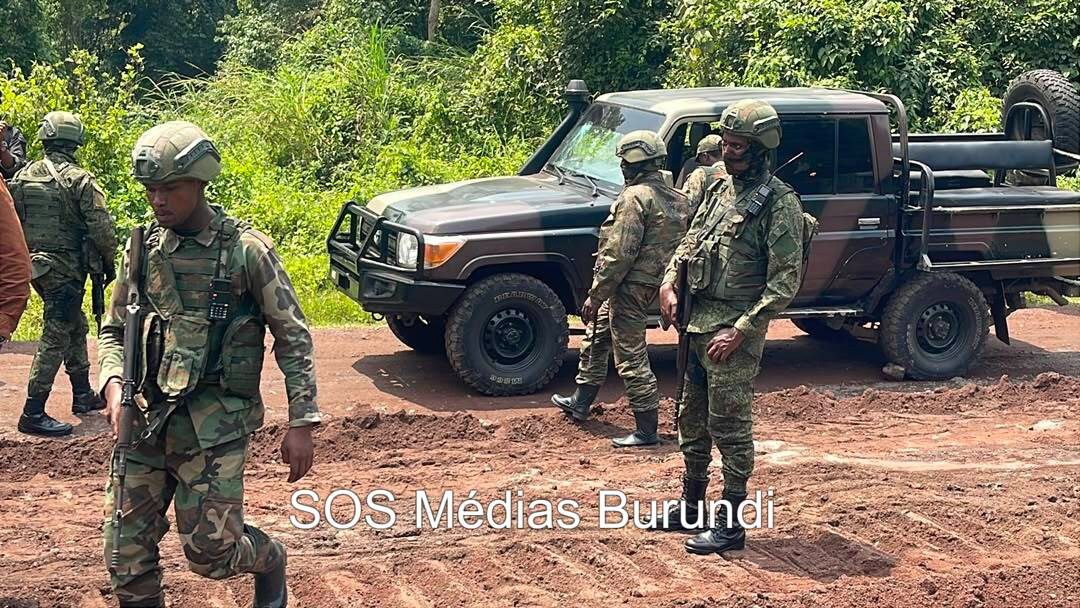
The highlands of Uvira territory in eastern Democratic Republic of the Congo (DRC) are witnessing a pivotal moment in the escalating conflict between the Front for the Rebirth of the Nation (FRN) and government forces. After sustained clashes involving Congolese and Burundian troops alongside allied Wazalendo militias, FRN fighters have reclaimed strategic positions, including Rurambo, Munanira, and the Muhungu hill. Local observers report these developments are not mere tactical wins but reflect deeper shifts in regional power dynamics.
From military stalemates to civilian displacement: the human cost of shifting frontlines
Civilian communities are bearing the brunt of this intensification. Reports from Lubarika indicate mass displacement as residents flee toward safer highland areas or across the Ruzizi Plain. This exodus underscores the fragility of civilian protection in zones where strategic territory changes hands with alarming frequency. The Ruzizi Basin region—bordering Burundi and Rwanda—has become a flashpoint where military gains directly imperil communities already struggling with years of instability.
Leadership failures under scrutiny: calls for accountability in South Kivu’s command structure
The FRN’s recent advances have ignited criticism of the current military leadership in Uvira. Local civil society leader André Byaduniya has publicly demanded the removal of the FARDC regional commander, citing repeated strategic setbacks despite significant government resources allocated to the region. His stance reflects a growing belief that poor command decisions and operational inefficiencies are enabling rebel groups to gain ground.
Criticism is not limited to the battlefield. Vital Kamerhe, former Speaker of the National Assembly and leader of the Union for the Congolese Nation (UNC), recently highlighted the stark disparity between Congo’s defense budget and battlefield outcomes during a party congress in Kinshasa. His remarks reflect broader dissatisfaction with a national defense strategy that has failed to reverse insurgent advances despite heavy financial investment.
Rurambo as a gateway: how control of the plateau could redefine regional influence
The capture of Rurambo represents more than a tactical victory—it opens potential avenues for the FRN to advance toward Bijombo and Minembwe. Such movements could rebalance power across South Kivu’s highlands, where control of key corridors determines regional influence. However, the situation remains fluid. Sources in Bijombo report the presence of Burundian defense forces (FDNB), FARDC troops, and Wazalendo militias actively fortifying positions in Malimba, Masango, and Ruhuha. Their stated goal: block FRN progress and sever any link between Bijombo and Rurambo.
The Burundian factor: regional alliances and their unintended consequences
The Burundian military’s involvement alongside Congo’s government forces adds a transnational dimension to the conflict. While Kinshasa and Bujumbura frame their cooperation as a shared defense against rebel incursions, the presence of foreign troops in South Kivu is escalating tensions and complicating peace efforts. With civilians caught in the crossfire, the region’s already fragile stability is being tested like never before.