How Conakry’s economic showcase revealed the real drivers behind regional integration
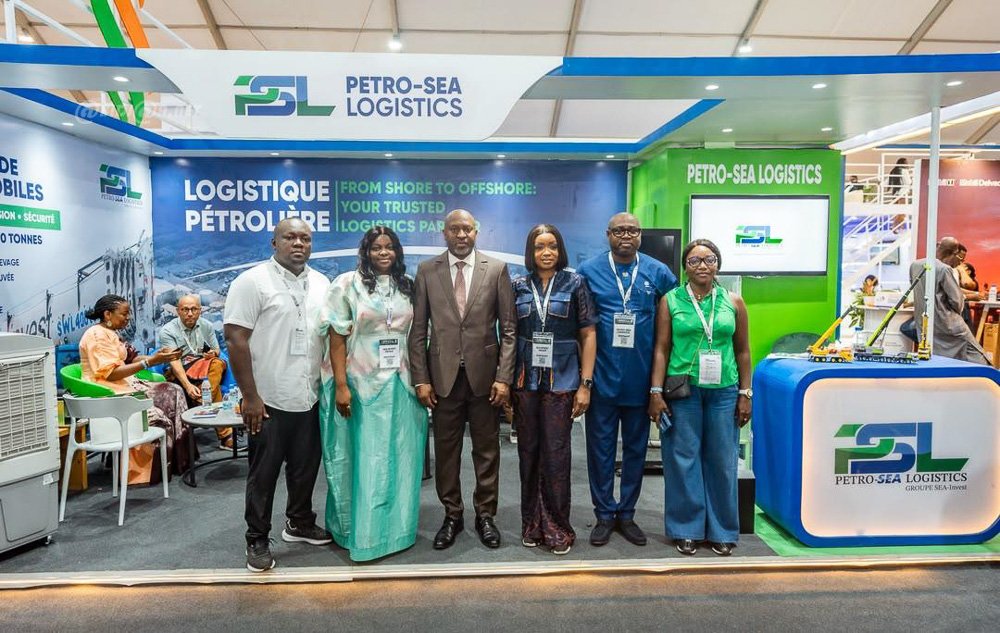
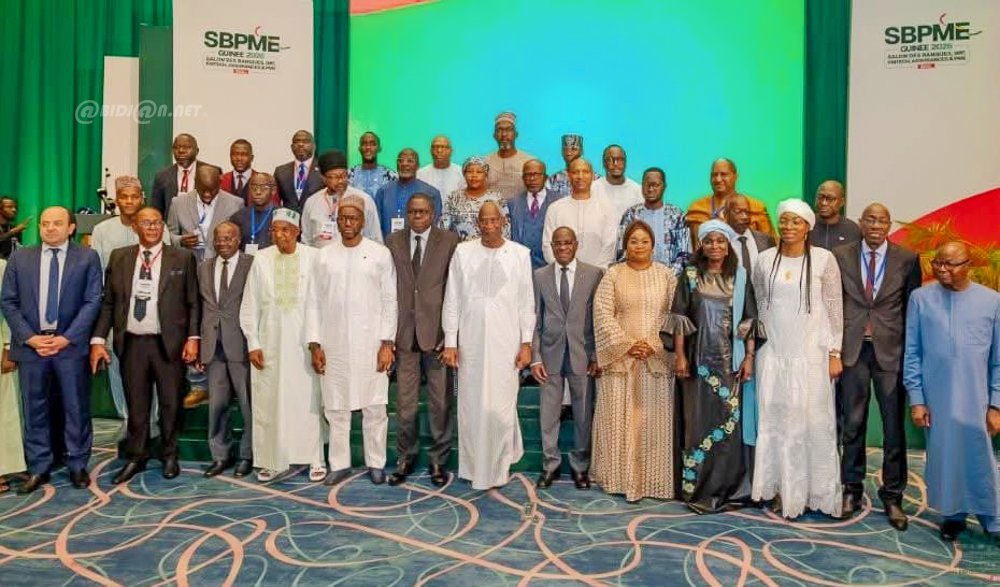
For the 12th edition of the Banks and SMEs Fair of Guinea, held in Conakry in November 2026, the spotlight wasn’t just on trade or infrastructure—it was on the behind-the-scenes forces reshaping West African commerce. Led by Chamber of Commerce president Touré Faman, a delegation of over fifty Ivorian firms converged on the Radisson Blu to uncover the root drivers of market expansion, funding innovation, and partnership pathways that often remain invisible in high-level summits.
Why Guinea’s 2026 fair became a gateway for Ivorian entrepreneurs
The event opened with a symbolic gesture: Guinea’s Prime Minister welcomed the delegation with the phrase ‘Akwaba! You left home only to arrive home.’ This warmth reflected more than hospitality—it signaled a deliberate pivot toward deeper economic interdependence. With the Simandou 2040 program unveiling over $200 billion in long-term investments, the fair became a rare platform where structural ambitions met immediate business needs.
From symbolic rhetoric to concrete financing solutions
Ivorian officials used the platform to unveil the 2026–2030 National Development Plan, a $188 billion initiative under which the private sector is expected to contribute 70.2%. But beyond grand figures, delegates highlighted two tools designed to turn policy into practice: the GUIDE-PME single-window service for business development and the SGPME guarantee scheme. Together, they aim to soften credit barriers that have long constrained Ivorian SMEs from scaling up operations across the region.
The Simandou multiplier effect: mining, logistics, and untapped niches
Guinea’s minister of industry and trade outlined Simandou 2040’s sprawling scope—15 years, 11 mining sites, and a vast infrastructure overhaul. While mining grabs headlines, delegates noticed parallel openings in logistics, construction materials, financial services, and agricultural inputs. Ivorian firms specializing in construction machinery and ICT services began mapping routes to position themselves as regional suppliers before peak demand arrives.
Behind the stage: the hidden mechanics of African business collaboration
Beneath the conference-room panels and ribbon-cuttings, a quieter dynamic unfolded. Ivorian delegates held closed-door sessions with Guinean counterparts to align standards, harmonize customs procedures, and pilot joint export consortia. The aim wasn’t just visibility—it was creating repeatable frameworks that reduce risk for future cross-border moves. Meanwhile, Ivorian bankers scouted Guinean fintech startups to pilot mobile-lending models tailored to informal SMEs, a gap both nations struggle to fill.
What comes next: turning intention into actionable deals
The four-day fair closes with a clear agenda: within sixty days, a task force of Ivorian and Guinean chamber officials will finalize a memorandum of understanding on SME certifications. Pilot lines of credit are expected to launch in Q1 2027, backed by a blended-finance model involving development banks and private insurers. For the Ivorian firms present, attendance wasn’t merely an expense—it was reconnaissance for a year of targeted expansion into Guinea’s emerging corridors.