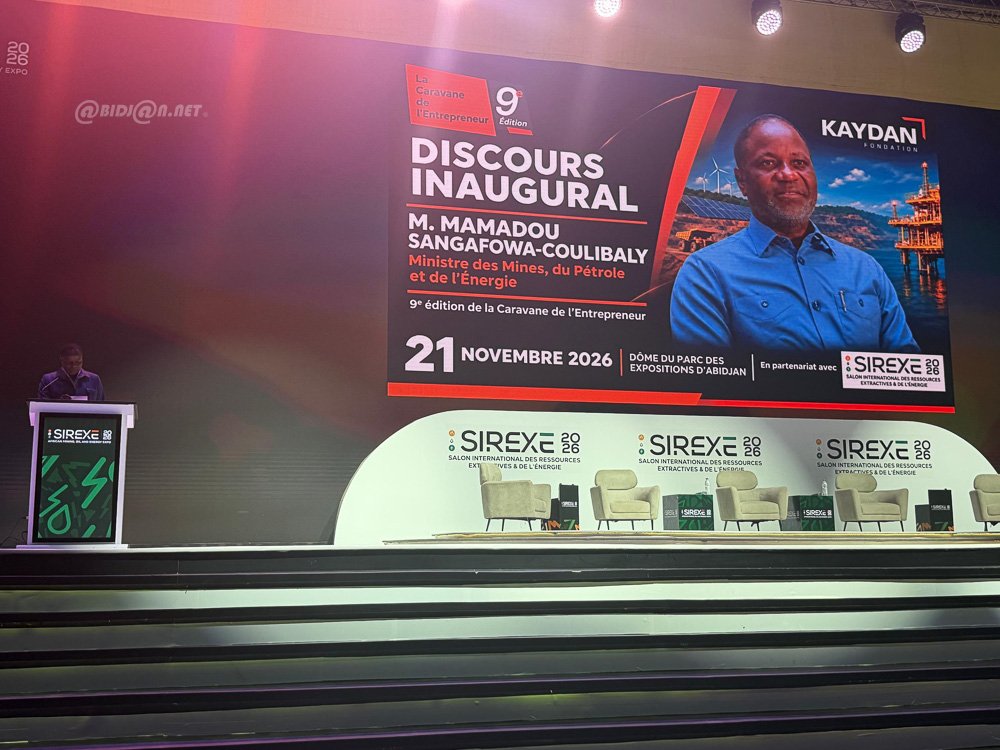
Behind the soaring export figures for Ivory Coast’s mining sector lies a complex web of logistical bottlenecks that determine its global competitiveness. With the upcoming SIREXE 2026 exhibition in Abidjan spotlighting the country’s extractive industries, the spotlight is shifting from raw output to the unseen mechanisms that make—or break—mineral shipments.
Over 2 million tonnes of bauxite, manganese, and spodumene concentrate (lithium) have already passed through Ivory Coast’s port terminals this year, with a dedicated 41-ship rotation handling the cargo. But the numbers only tell part of the story. Behind these record volumes, port operators are grappling with a pressing infrastructure paradox: how to expand export capacity without sacrificing efficiency in a market where every delay reshapes profitability.
According to port operator records, Ivory Coast’s terminals handled nearly 10 million tonnes of cargo by late October 2026—a figure that underscores the critical role of maritime logistics in fueling not just mining but also energy and industrial sectors. The nation’s push to industrialize demands seamless port operations, yet recurring constraints—from berth depths to storage limitations—reveal the fragility of its export-driven ambitions.
The Vraquier Terminal in Abidjan offers a case in point. Its barge-based loading system, capable of servicing vessels drawing up to 15 meters, was designed to bridge the gap between local mining output and international demand. Yet the terminal’s current throughput falls short of accommodating the mining sector’s projected growth, forcing operators to juggle schedules and prioritize shipments.
Industry leaders argue that Ivory Coast’s mining competitiveness is no longer just about geology—it’s about gateways. “The cost of moving minerals from mine to port often eclipses the value of the resources themselves,” notes one port executive. This reality is reshaping investment priorities, as stakeholders scramble to upgrade terminals and streamline customs processes before the next boom cycle hits.
The stakes are outlined in Ivory Coast’s 2026–2030 National Development Plan, which prioritizes private-sector collaboration in building resilient infrastructure. But with global demand for critical minerals surging, the window for reform is closing fast. Whether Ivory Coast can convert its mineral wealth into lasting economic power may depend on solving problems it’s only now starting to acknowledge.
Key logistical bottlenecks shaping Ivory Coast’s mining future:
- Berth congestion: Limited water depth at key terminals restricts vessel sizes, inflating shipping costs and delaying turnaround times.
- Storage constraints: Insufficient terminal space forces miners to hold stockpiles on-site, tying up capital and increasing exposure to price volatility.
- Backhaul inefficiencies: Underutilized return voyages from mineral exports leave importers facing higher logistics fees, eroding Ivory Coast’s market appeal.
- Regulatory friction: Cumbersome clearance procedures at port entry points add hidden costs to every consignment.
The mining sector’s growth narrative is often told through ore grades and market prices—yet Ivory Coast’s ability to capitalize on its mineral wealth is quietly being written in the lines of its port manifests.