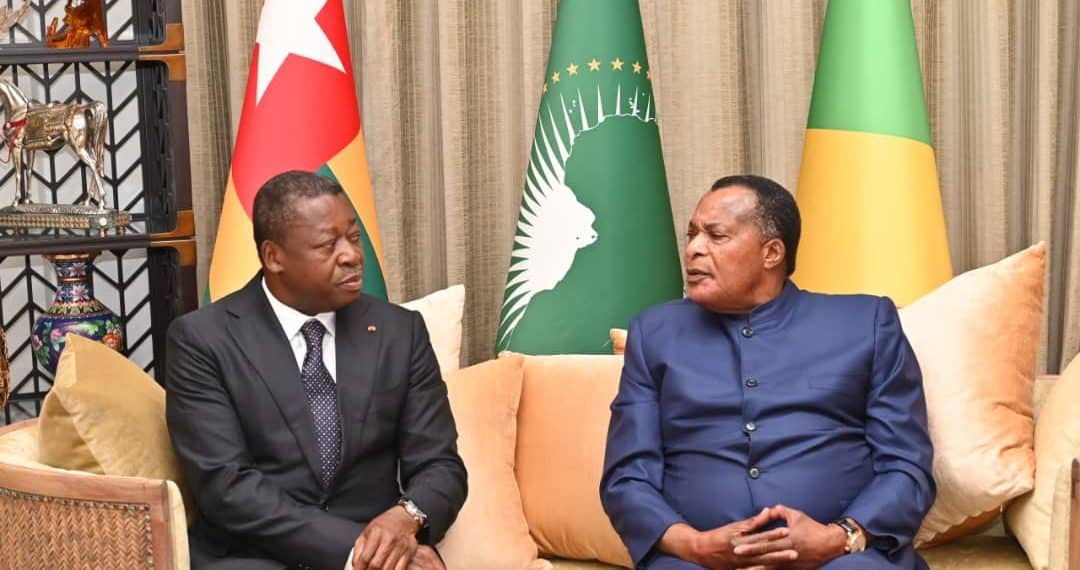
On Sunday, November 22, 2026, the small Congolese city of Oyo becomes the focal point of an unprecedented gathering of African heads of state. Faure Gnassingbé, President of Togo, joins Denis Sassou N’Guesso of Congo, William Ruto of Kenya, and Félix Tshisekedi of the Democratic Republic of Congo (DRC) for a high-stakes quadripartite summit. Behind closed doors, these leaders are not just addressing symptoms—they’re dissecting the deep-rooted causes of Africa’s most pressing crises.
Why Oyo? uncovering the strategic backdrop of the summit
The choice of Oyo is no coincidence. Nestled in the heart of the Congo Basin, this crossroads city offers a neutral ground away from the pressures of major capitals. The summit’s agenda reflects its purpose: a behind-the-scenes analysis of the forces destabilizing the Great Lakes region.
The gathering in Oyo isn’t just another diplomatic photo opportunity. It’s a deliberate move to shift from reaction to prevention. With economic instability, escalating insecurity, and recurring humanitarian emergencies plaguing the region, these four leaders are asking one critical question: What structural issues are perpetuating these cycles of crisis?
From mediation to mapping root causes: Togo’s role in reshaping the narrative
Faure Gnassingbé arrives at Oyo with a mandate. As the African Union’s designated mediator in the eastern DRC conflict, his presence underscores Togo’s commitment to transforming crisis resolution from rhetoric into systemic change. But his role goes beyond mediation—he’s here to peel back layers.
The eastern DRC isn’t just a battleground of rebel factions. It’s a nexus where geopolitical ambitions, illegal resource extraction, and porous borders collide. Gnassingbé’s diplomatic playbook focuses on identifying these hidden drivers—effectively shifting the conversation from ceasefires to systemic reforms.
In Oyo, he’s pushing for:
- Joint security frameworks that transcend national interests, integrating intelligence-sharing and cross-border operations
- Economic incentives that reduce the lure of illicit trade fueling conflicts
- Institutional accountability to curb corruption and mismanagement in crisis zones
The invisible dynamics shaping Africa’s future: what really drives regional instability
The crises gripping the Great Lakes region aren’t isolated—they’re symptoms of deeper fractures within Africa’s governance and economic models. At the heart of the Oyo discussions lie three silent drivers:
1. The erosion of trust between states
Border disputes, disputed election outcomes, and competing regional alliances have eroded the trust needed for collective action. Rather than uniting against common threats, neighboring countries often find themselves entangled in proxy conflicts. The Oyo summit seeks to rebuild this trust through transparent dialogue.
2. The weaponization of economic fragility
Weak currencies, debt dependency, and uneven trade agreements create vulnerabilities that external actors exploit. In the DRC and Congo, for example, economic instability isn’t just a result of conflict—it’s a catalyst for new waves of violence as communities fight for control of dwindling resources.
3. The failure of traditional mediation models
Past engagements have often focused on short-term ceasefires rather than addressing the structural issues. The Oyo summit signals a shift toward diagnosing root causes—whether it’s unregulated mining in conflict zones, the proliferation of small arms, or the manipulation of humanitarian aid.
Can a quadripartite summit change the game?
The answer lies not in the promises made in Oyo, but in the follow-through mechanisms these leaders commit to. A successful outcome would hinge on three key deliverables:
- A regional early-warning system to detect and deter simmering tensions before they escalate
- Shared resources for peacebuilding, including joint military patrols in hotspots and cross-border economic zones
- A revamped AU mediation strategy that prioritizes root-cause analysis over symbolic agreements
The Oyo summit represents more than a diplomatic event—it’s a test of Africa’s ability to address crises at their source. As the leaders depart, the world will watch closely to see if words translate into structural change.
Togo’s enduring commitment: from dialogue to results
For Faure Gnassingbé, Oyo is another chapter in Togo’s long-standing role as a bridge-builder. By anchoring the conversation in the root causes of instability, he’s challenging the continent to move beyond surface-level solutions. The question now is whether the gathering’s momentum will outlast the summit’s closing speeches.
As Africa’s crises deepen, the Oyo summit offers a rare glimpse into the hidden forces shaping the continent’s future. It’s not about quick fixes—it’s about reimagining how African states can collectively confront the silent drivers of instability.